
Beautiful Plants For Your Interior
Beautiful Plants For Your Interior
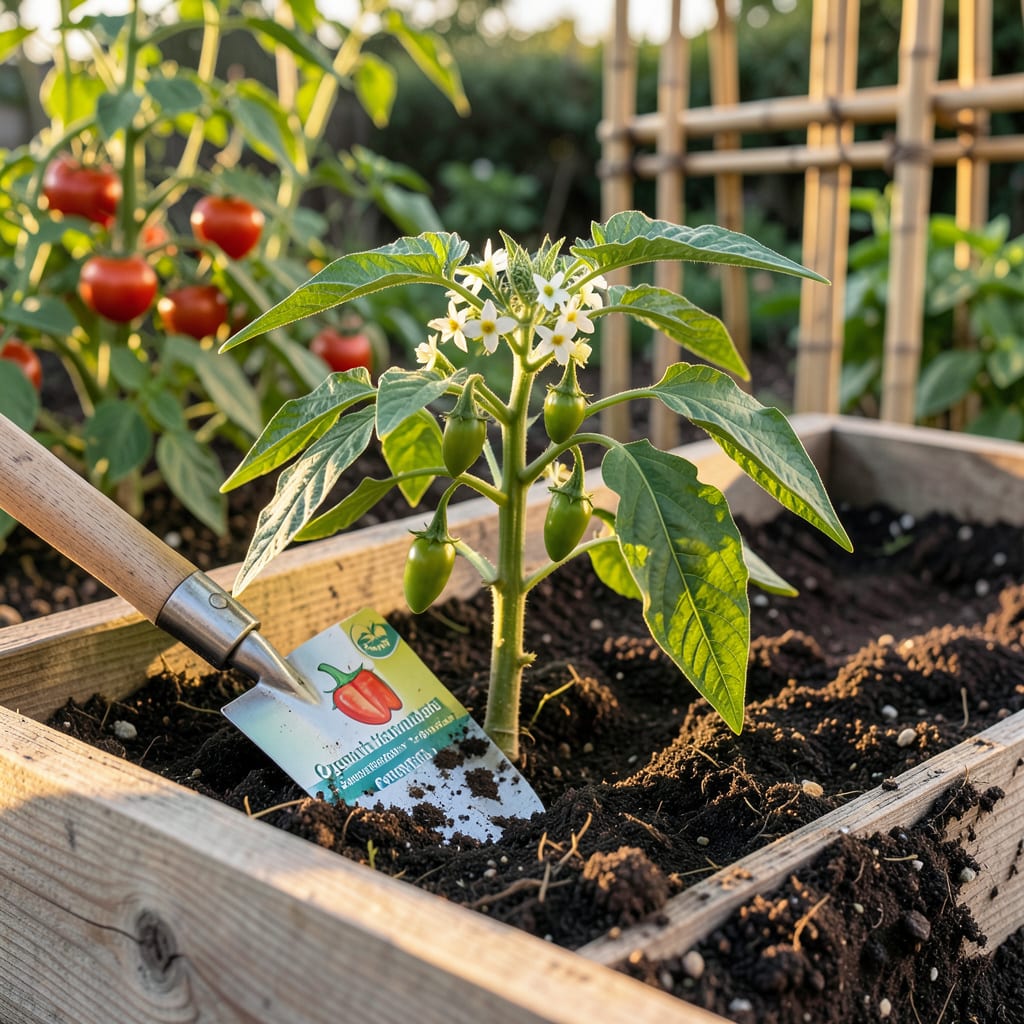
Texas gardeners know the struggle—plant your 🌱 jalapeños too early, and a late frost might wipe them out. Wait too long, and the summer sun could fry your seedlings before they even get started. The difference between a sad, stunted plant and a bush loaded with fiery peppers often comes down to just a few weeks.
I’ve tested planting times across Texas’s wild climate swings, from the Panhandle’s chilly springs to the Gulf Coast’s relentless humidity. Here’s the exact timing you need—whether you’re in Dallas, Austin, or San Antonio—to get your jalapeños in the ground for a harvest that’ll make your salsa legendary.
Texas isn’t just one climate—it’s a patchwork of microclimates that can make or break your jalapeño crop. In North Texas, you’re battling late frosts, while Gulf Coast gardeners deal with humidity and earlier warmth. The key is knowing your region’s last frost date and heat thresholds.
Jalapeños thrive when soil temps hit 60°F+ and air stays above 50°F at night. Plant too early in the Panhandle, and a surprise freeze could kill seedlings. Wait too long in South Texas, and your plants will struggle through 100°F+ summers. Let’s break it down by region.
| Region | Spring Planting Window | Fall Planting Window | Last Frost Date | Key Challenge |
|---|---|---|---|---|
| North Texas (Dallas, Fort Worth) |
April 1–15 (Start indoors March 1) |
Aug 15–30 (For late harvest) |
March 15–30 | Late frosts, clay soil |
| Central Texas (Austin, San Antonio) |
March 15–30 (Direct sow or transplant) |
Aug 1–15 (Avoid Sept heat) |
Feb 15–28 | Summer drought, limestone soil |
| South Texas (Houston, Corpus Christi) |
Feb 15–March 1 (Two crops possible) |
July 15–30 (Early for fall) |
Jan 15–30 | Humidity, hurricane season |
| West Texas (El Paso, Lubbock) |
April 1–15 (Watch for wind) |
Aug 1–15 (Short fall window) |
April 1–15 | Low humidity, sandy soil |
💡 Pro Tip: Use a soil thermometer—jalapeños stunt below 55°F soil temp. In South Texas, a second spring crop is possible if planted by late February.
In North Texas, I’ve found that starting seeds indoors 6–8 weeks before transplanting (around March 1) gives plants a head start. Use grow lights if natural light is scarce. Central Texas gardeners can often direct-sow in late March, but watch for late cold snaps—keep row covers handy.
South Texas is the wildcard. Your long growing season allows for two crops: one in late winter and another in midsummer for fall harvest. However, July plantings need shade cloth to survive the worst heat. West Texas growers should prioritize windbreaks and drip irrigation—those dry winds desiccate seedlings fast.
No matter your region, soil prep is critical. Texas soils range from alkaline clay (North/Central) to sandy loam (West). Work in 3–4 inches of compost and a balanced fertilizer (10-10-10) before planting. For clay, add gypsum to improve drainage. Sandy soils? Mix in coconut coir to retain moisture.
Watch the 10-day forecast before transplanting. Even in warm regions, a cold front can drop temps below 50°F, shocking young plants. I use low tunnels or frost blankets for early plantings—it’s worth the effort for an extra month of growth. In summer, afternoon shade (30–40% shade cloth) prevents sunscald on fruits.
For fall plantings, timing is tighter. Aim to transplant 90–100 days before first frost so peppers mature before cold weather. In Austin, that means seedlings in the ground by August 1. Further north, push it to July 15. Fall jalapeños often taste sweeter due to cooler nights, but they grow slower—be patient!
If you’re in urban areas like Houston or Dallas, microclimates matter. Concrete and asphalt radiate heat, creating warmer pockets. Use this to your advantage for early planting, but monitor soil moisture—urban soils dry faster. Container gardeners can move pots to sunnier spots in winter and shadier areas
Getting your jalapeño timing right in Texas means working backward from two critical factors: last frost dates and first heat waves. I’ve found that starting seeds indoors gives you a 4–6 week head start, but direct sowing works in warmer zones if you’re precise.
For spring plantings, aim to transplant seedlings outdoors 2–3 weeks after your last frost. In fall, count backward 90–100 days from your first frost to schedule transplanting. Here’s how to nail the timing, whether you’re in Amarillo or Brownsville.
⏰ Pro Tip: Use a soil thermometer—jalapeños grow best when soil is 65–85°F. Below 55°F, growth stalls.
For direct sowing, wait until soil temps reach 65°F—usually 2–3 weeks after last frost. In Houston, that might be early March, while Dallas gardeners should wait until mid-April. I use a black plastic mulch to warm soil faster in cooler regions.
If you’re planting in containers, you can start 2–3 weeks earlier than in-ground plantings because pots warm up faster. Just watch for root bound plants—jalapeños need 5-gallon containers minimum. Use a well-draining potting mix with added perlite for Texas’s intense rains.
Fall plantings require extra attention to daylength. Jalapeños need 10–12 hours of daylight to set fruit. In September, supplement with grow lights if days shorten too quickly. I’ve had success with LED grow bulbs on a timer for 2–3 hours at dawn/dusk.
Monitor pollinators—jalapeños are self-pollinating, but bees boost yields. In urban areas, hand-pollinate with a soft paintbrush if you notice few bees. Avoid pesticides during flowering; instead, use neem oil for pests like aphids or pepper weevils.
Finally, keep a garden journal to track your planting dates and harvests. Texas weather is unpredictable—what works one year might need adjustment the next. I note first bloom dates, pest sightings, and harvest weights to refine my timing each season.
Even experienced Texas gardeners can mess up jalapeño timing. The biggest error I see? Ignoring microclimates. Your neighbor’s planting date might not work for your yard—urban heat islands or low-lying frost pockets change everything. Let’s fix these before they wreck your harvest.
Another classic mistake: planting in cold soil. Jalapeños sulk when soil temps dip below 60°F. I’ve lost count of how many gardeners rush to plant in February, only to watch seedlings sit stagnant for weeks. Patience pays—wait for consistent warmth, or use black plastic mulch to speed things up.
💡 Quick Fix: For heat-stressed plants, apply 1 inch of compost as mulch and water at sunrise to reduce evaporation.
The third big mistake? Underestimating Texas heat. Jalapeños stop setting fruit when nights stay above 75°F. In Houston, that’s June–September. Solution? Plant early-maturing varieties like ‘Early Jalapeño’ (60 days) or shift to fall planting for your main crop. I’ve had best luck with ‘TAM Mild’ for heat tolerance.
Soil prep slips trip up gardeners too. Texas’s alkaline soils (pH 7.5–8.5) lock out nutrients like iron and zinc, causing yellow leaves. Before planting, mix in 1–2 cups of sulfur per plant or use chelated fertilizers. For sandy West Texas soils, add composted manure to boost water retention without waterlogging.
Finally, don’t forget pollinators. Jalapeños self-pollinate, but bee activity drops in extreme heat. If you see flowers dropping without fruiting, gently shake plants daily or use a small paintbrush to transfer pollen. Avoid pesticides during flowering—neem oil is my go-to for pest control that won’t harm bees.
Track your progress with photos weekly. I snap shots of seedling size, first flowers, and fruit set to compare year-to-year. When you spot patterns (like early planting = more peppers), you’ll dial in your perfect Texas jalapeño schedule. 🌶️
Almost! South Texas’s mild winters allow for two planting windows: late winter (Feb–March) and midsummer (July–August) for fall harvests. Avoid planting in June—the extreme heat stresses young plants.
Use frost blankets or low tunnels until mid-April, even if daytime temps are warm. I’ve saved countless seedlings with wall-o-water protectors—they trap heat during the day and release it at night.
Lay black plastic mulch 2–3 weeks before planting to raise soil temps by 5–10°F. In containers, use dark-colored pots placed against a south-facing wall. A soil thermometer is your best friend—don’t guess!
When nights stay above 75°F, peppers often drop blossoms. Provide 30% shade cloth and keep soil moist (not soggy). Try hand-pollinating with a paintbrush if humidity is high—bees avoid flowers in extreme heat.
Use 5-gallon pots with drainage holes and a lightweight potting mix (add perlite for drainage). Move containers to morning sun/afternoon shade in summer. Drip trays help manage water in our unpredictable rains.
