
Beautiful Plants For Your Interior
Beautiful Plants For Your Interior
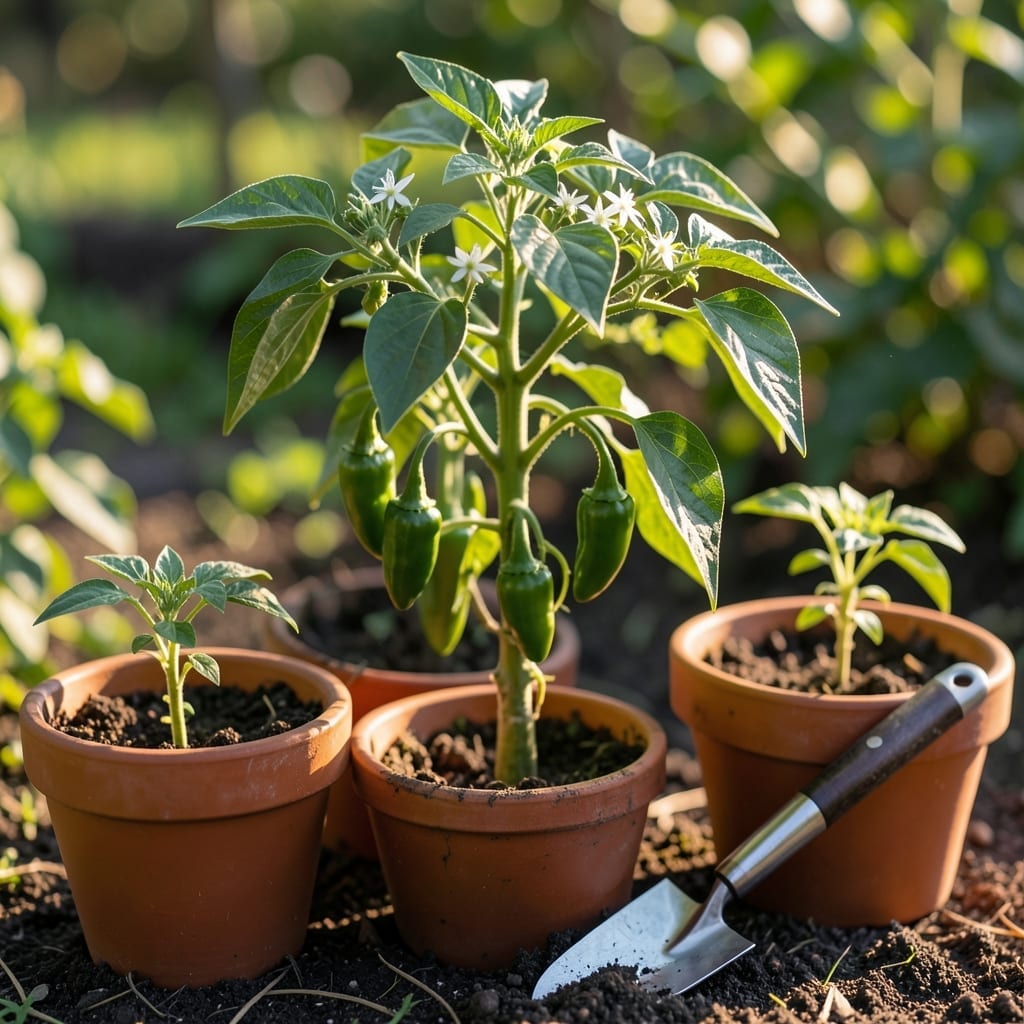
Timing is everything when growing Jalapeño in Colorado’s unpredictable climate. Plant too early, and frost will kill your seedlings. Plant too late, and you’ll miss the peak growing season.
Colorado’s 5a-7a zones demand precision, but the reward is a spicy harvest from July to October. I’ve seen gardeners struggle with timing, only to watch their plants wilt in the first cold snap.
The solution? Start seeds indoors 8-10 weeks before the last frost, then transplant after soil warms to 70°F. This simple shift can make or break your season.
Discover how to nail the timing and enjoy a bountiful crop of Jalapeño peppers all summer long. Let’s get it right the first time.
Colorado’s diverse climate means jalapeño planting times vary by region. The Front Range typically has its last frost around May 15, making late May the ideal time to transplant seedlings outdoors.
For the Western Slope, where winters are milder, you can often start 2 weeks earlier. Meanwhile, the High Plains may require waiting until early June due to cooler springs and higher elevation.
| Region | Last Frost Date | Indoor Start | Outdoor Planting |
| Front Range | May 15 | Mid-March | Late May |
| Western Slope | May 1 | Early March | Early May |
| High Plains | May 20 | Late March | Early June |
I always recommend starting jalapeño seeds indoors about 8-10 weeks before your region’s last frost date. This gives your seedlings enough time to grow strong before facing Colorado’s unpredictable spring weather.
Soil temperature is critical—jalapeños need soil at least 70°F to thrive. Use a soil thermometer to check conditions before transplanting. If your soil is still cold, consider using black plastic mulch to warm it up faster.
In urban areas like Denver, the heat island effect can allow for slightly earlier planting. However, I’ve learned the hard way that a late frost can still sneak in, so always have frost protection ready.
For mountain valleys, microclimates can create unique conditions. If you’re at a higher elevation, watch for cold air drainage and plant in the warmest spots of your garden, like near a south-facing wall.
Remember, jalapeños love heat, so if you’re in a cooler area, consider using row covers or cloches to provide extra warmth during the early growth stages.
Finally, don’t forget to harden off your seedlings before transplanting. I gradually expose mine to outdoor conditions over 7-10 days to prevent shock. Start with a few hours of shade and slowly increase sun exposure.
🌱With these regional tips, you’ll be well on your way to a successful jalapeño harvest in Colorado. The key is patience and preparation—wait for the right conditions, and your plants will reward you with a spicy bounty.
🌿Preparing jalapeño seedlings for Colorado’s swings in temperature is key. I always start seeds indoors 8-10 weeks before the last frost, which is around May 15 for most areas. This gives them a strong head start before the unpredictable spring weather hits.
Once seedlings sprout, keep them under grow lights for 14-16 hours daily. Colorado’s early spring light isn’t strong enough, and leggy seedlings struggle outdoors. Maintain soil temps at 70-80°F for best growth. ☀️
Hardening off is critical in Colorado. A week before transplanting, I gradually expose seedlings to outdoor conditions. Start with 1-2 hours of shade, increasing daily. This prevents shock when they face Colorado’s intense sun and drying winds.
Soil temperature is non-negotiable. Jalapeños need 70°F soil to thrive. I use a soil thermometer to check—don’t guess! If the soil is too cold, seedlings will stall. In cooler areas, black plastic mulch helps warm the soil faster.
Late frosts are a real risk, even in May. I always keep frost blankets or row covers handy. If a cold snap is forecast, cover plants overnight. Remove covers in the morning to let them breathe and soak up the sun.
Wind can be brutal, especially on the Front Range. I plant jalapeños near a windbreak or use stakes to support them. Mulching with straw helps retain moisture and protect roots from temperature swings. 🌱