
Beautiful Plants For Your Interior
Beautiful Plants For Your Interior
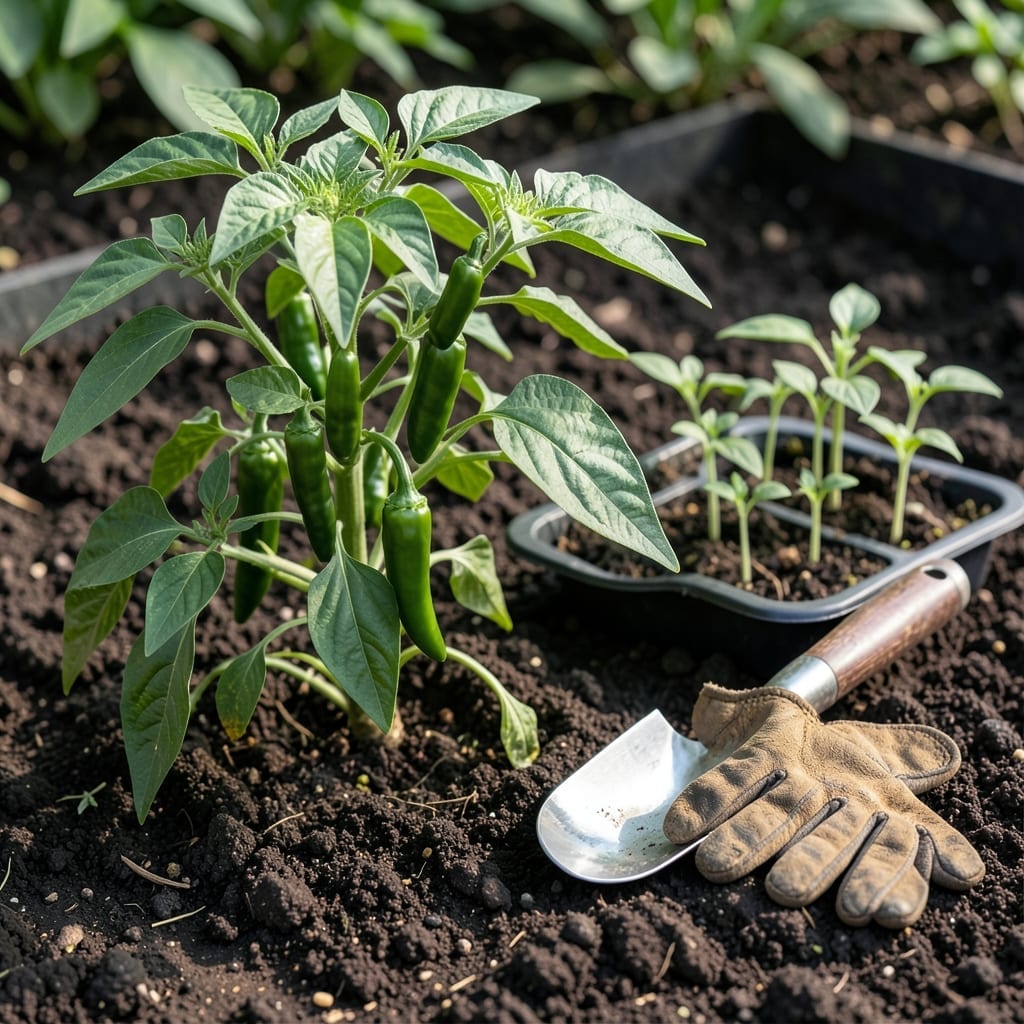
Timing is everything when growing 🌶️ Jalapeños in Arkansas—plant too early and frost will kill your seedlings, too late and you’ll miss the peak harvest season.
I’ve seen gardeners struggle with this balance, but the solution is simpler than you think. Arkansas’s unique climate zones require precise timing to ensure your peppers thrive.
With the right approach, you can avoid common pitfalls and set your Jalapeños up for a productive season. The key lies in understanding your local conditions.
Let me walk you through the exact windows for planting in zones 7b-8a, so you can enjoy a fiery harvest from July to October.
Arkansas spans USDA zones 6-8, giving gardeners varied jalapeño planting windows. I always check my local last frost date—typically April 15 in most areas—to time my planting correctly.
For zone 6 (northwest Arkansas), I start indoor seeds in mid-February and transplant after May 1. In zone 8 (southern Arkansas), I can start early March indoors and transplant by mid-April.
| Zone | Last Frost Date | Start Indoors | Transplant Outdoors |
|---|---|---|---|
| 6 | May 1 | Mid-February | Early May |
| 7 | April 15 | Late February | Mid-April |
| 8 | April 1 | Early March | Early April |
Soil temp must be 60°F+ for best results.
I never transplant jalapeños until soil temps hit 60°F consistently. A soil thermometer is my best friend for this. In central Arkansas (zone 7b), I aim for late April transplanting.
For direct sowing, wait until soil is warm—usually late May in most zones. I’ve found black plastic mulch helps warm soil faster in cooler areas.
Arkansas’s long growing season (200+ frost-free days) means I can often get two harvests. I start my second batch of seeds in June for a fall crop.
In clay-heavy soil, I amend with compost to improve drainage. Jalapeños hate wet feet, so well-draining soil is crucial for strong root development.
I always harden off seedlings for 7-10 days before transplanting. This acclimates them to Arkansas’s humidity and prevents shock. Start with 2 hours of outdoor time daily, increasing gradually.
For early starts, I use row covers to protect young plants from late frosts. Remove them once temps consistently stay above 50°F at night to allow pollination.
I’ve learned that afternoon sun is best in Arkansas’s hot summers. Planting on the east side of structures gives morning sun and afternoon shade, which prevents sunscald on fruits. 🌱
Arkansas’s 200+ frost-free days give us a unique advantage for jalapeño growing. I maximize this by using succession planting to stretch my harvest window from July through October.
My first strategy is early starts with row covers. These protect young plants from late frosts while warming the soil. I remove them once night temps stay above 50°F to allow pollination.
For direct sowing, I wait until soil temps hit 70°F+. This usually happens in late May for most zones. I test with a soil thermometer to be sure.
I’ve found black plastic mulch speeds up soil warming by 2-3 weeks. It also retains moisture and suppresses weeds, which is crucial in Arkansas’s hot summers.
For a fall crop, I start my second batch of seeds indoors in June. Transplanting in July gives me a second harvest before the first frost.
In zone 8, I can sometimes squeeze in a third planting in late July for a late fall harvest. But I always watch the first frost date (around October 31) to avoid losing plants. 🌿