
Beautiful Plants For Your Interior
Beautiful Plants For Your Interior
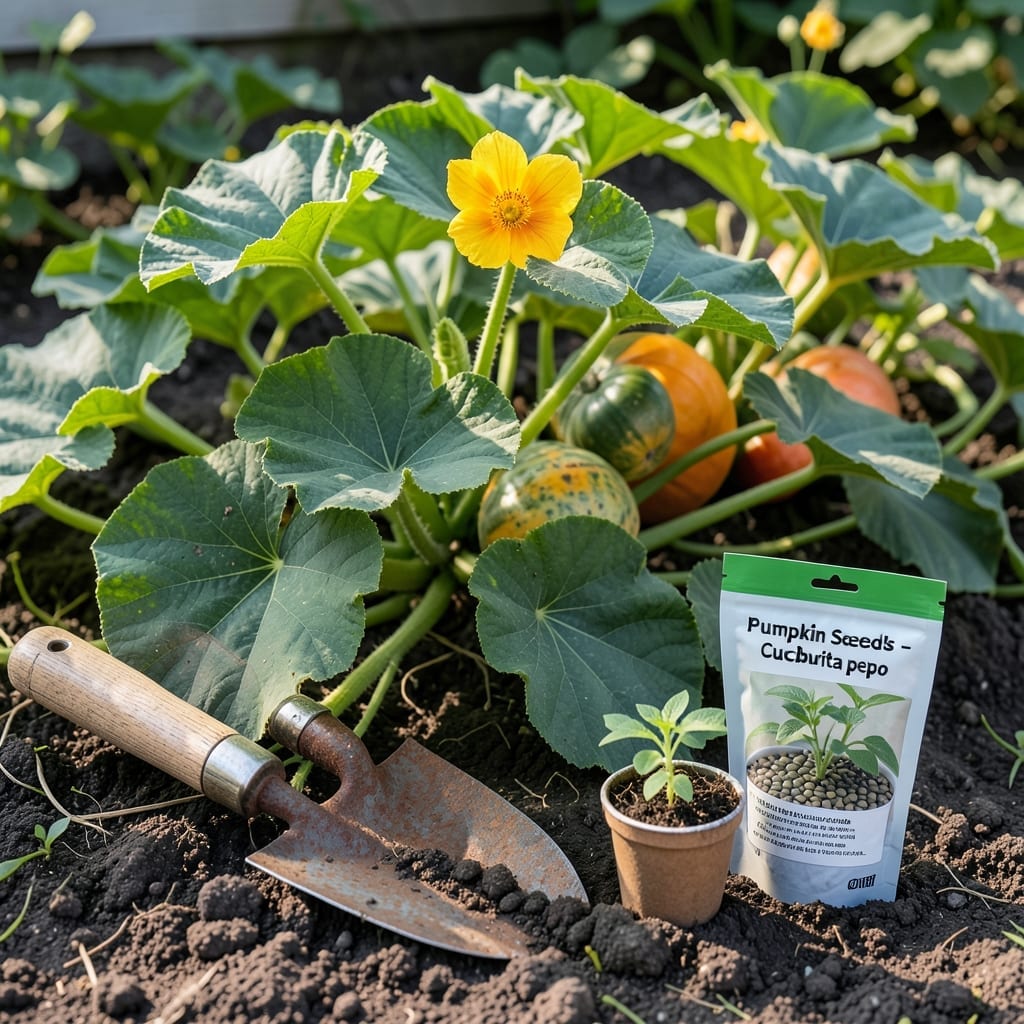
Growing your own Jack O Lantern 🎃 Pumpkin is a rewarding way to bring Halloween magic to your garden, but timing is everything. Plant too early or too late, and you might miss the perfect harvest window for carving season.
I’ve learned the hard way that waiting for the right conditions makes all the difference. The soil needs to be warm, and the clock is ticking to get those vines growing in time for October.
Whether you’re in zone 6 or adjusting for your local climate, nailing the planting window ensures your pumpkins will be ready when the ghosts and goblins come knocking.
Discover the simple secrets to planting at just the right time—so you can carve with confidence this fall.
Timing your Jack O Lantern pumpkin planting is crucial for a perfect Halloween harvest. These pumpkins typically need 90-120 days to mature, so you’ll want to count backward from October 31st to find your ideal planting window.
In most regions, late May to early June is prime time to sow seeds. However, warmer climates like the Deep South can start as early as late April, while cooler northern zones may need to wait until early June.
| Region | USDA Zone | Planting Window | Days to Maturity |
|---|---|---|---|
| Deep South | 8-10 | Late April – Early May | 90-100 |
| Mid-Atlantic | 6-7 | Mid-May – Early June | 100-110 |
| Midwest | 5-6 | Late May – Early June | 100-120 |
| Northern States | 3-4 | Early June | 110-120 |
For short-season climates, look for early-maturing varieties like ‘Early Giant’ or ‘Jack Be Little’, which can produce in as few as 75-85 days. This gives gardeners in Zone 3-4 a fighting chance at a Halloween pumpkin.
Always check your last frost date and ensure soil temperatures are consistently above 60°F. Pumpkins are warm-season crops and won’t tolerate cold soil. I recommend using a soil thermometer to confirm conditions are right.
In coastal areas with mild summers, you might get away with a second planting in late June for a Thanksgiving harvest. Just be mindful of first frost dates—pumpkins can’t handle freezing temperatures.
If you’re starting seeds indoors, begin 2-3 weeks before your planned transplant date. Use peat pots to minimize root disturbance when moving seedlings to the garden. This method works well for northern gardeners eager to extend their growing season.
Succession planting can extend your harvest window. Try planting a new batch of seeds every 2-3 weeks from late spring through early summer. This ensures a steady supply of pumpkins for carving and decorating.
Remember that microclimates can affect planting times. A south-facing slope or urban heat island might warm up 1-2 weeks earlier than surrounding areas. Observe your garden’s unique conditions and adjust accordingly.
🌿Finally, don’t forget to account for your local weather patterns. A late spring frost or early fall freeze can derail even the best-laid plans. Keep an eye on the 10-day forecast and be ready to protect young plants with row covers if needed.
Timing your Jack O Lantern pumpkins right means looking beyond just frost dates. I always check soil temperature first—it must be at least 60°F for seeds to germinate properly.
Your local climate patterns also play a huge role. Areas with short growing seasons need early varieties, while warmer zones can plant later for a Halloween harvest.☀️
I’ve found that variety-specific maturity rates are often overlooked. Some Jack O Lantern types mature in 90 days, while others need 120 days. Always check your seed packet!
Another tip: succession planting can give you pumpkins over several weeks. Plant a new batch every 2-3 weeks until midsummer for continuous harvests through fall.
Don’t forget about pollination. Pumpkins need bees to transfer pollen between male and female flowers. If bees are scarce, I hand-pollinate using a small paintbrush.
Finally, watch your local weather. A late spring frost or early fall chill can ruin your harvest. I use row covers to protect young plants if temperatures dip unexpectedly.🌱