
Beautiful Plants For Your Interior
Beautiful Plants For Your Interior
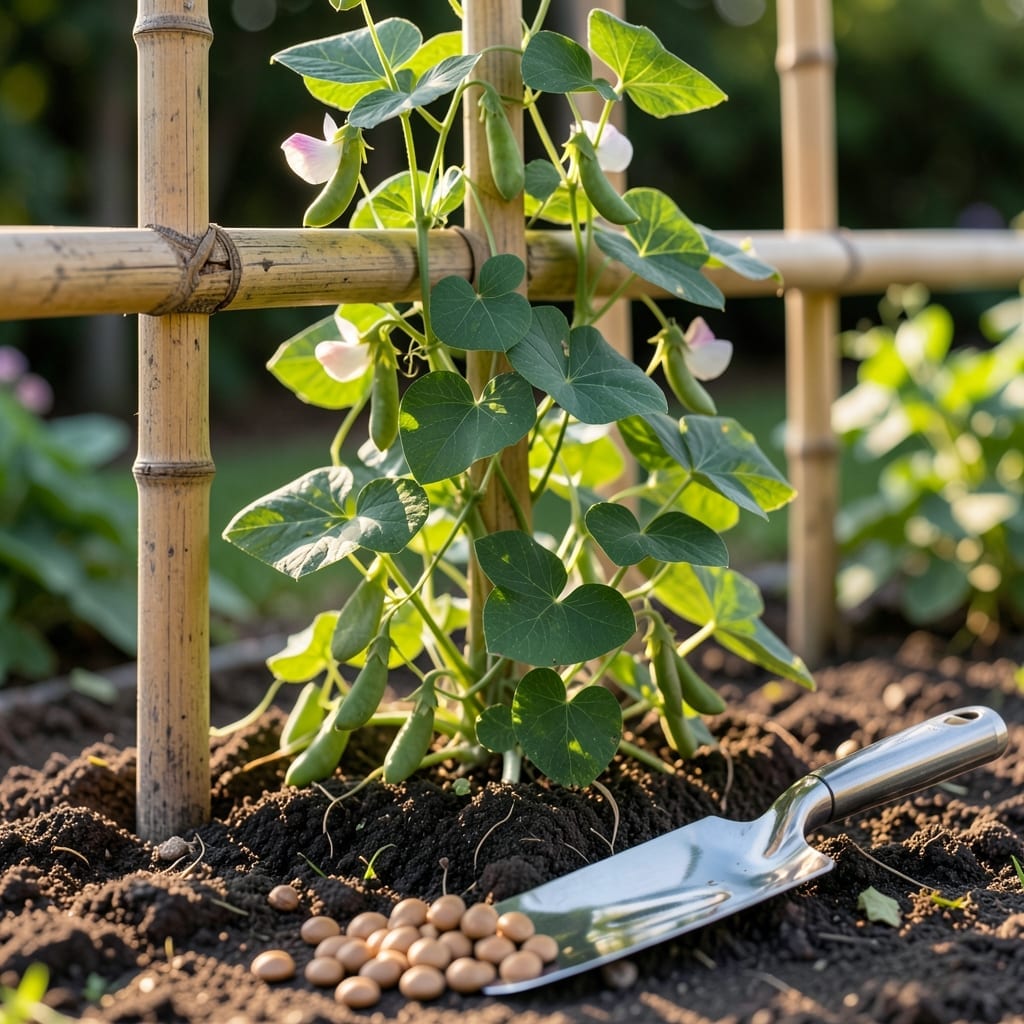
Timing is everything when growing Iron Clay Peas 🌱 in Georgia—plant too early or too late, and you risk poor germination or stunted growth.
Georgia’s climate in zones 7b-8a offers a unique window for these warm-season legumes. The difference between a thriving crop and a disappointing one often comes down to just a few weeks.
I’ll show you exactly when to get those seeds in the ground for the best results. Whether you’re a seasoned gardener or just starting out, this timing insight could be your game-changer.
Discover the sweet spot that Georgia growers swear by for their most productive Iron Clay Pea harvests yet.
Georgia’s diverse climate means planting times vary across the state. In North Georgia, I wait until mid-April after the last frost. This ensures the soil temperature stays above 60°F, which is critical for germination.
The Central Georgia region enjoys a slightly longer growing season. Here, I start planting iron clay peas in late March to early April. The soil warms up faster, giving seeds a head start before summer heat.
| Region | Optimal Planting Window | Last Frost Date | Soil Temp Requirement |
|---|---|---|---|
| North Georgia | Mid-April to early May | April 15 | 60-70°F |
| Central Georgia | Late March to mid-April | April 1 | 60-70°F |
| South Georgia | Early March to late March | March 15 | 60-70°F |
In South Georgia, where winters are milder, I plant as early as March 1st. The frost-free date arrives sooner, and the growing season is longer, allowing for an earlier harvest.
I always check the soil temperature with a garden thermometer before planting. If it’s below 60°F, I wait. Iron clay peas won’t germinate in cold soil, and seeds may rot.
For fall planting, I aim for late July to early August in North Georgia. This gives the peas enough time to mature before the first frost in November. In South Georgia, I can plant as late as mid-August.
I’ve found that succession planting works well. I sow a new batch of iron clay peas every 2-3 weeks until mid-summer. This extends the harvest season and ensures a steady supply.
Remember, rainfall patterns affect planting times too. In dry years, I might delay planting until after a good rain. Iron clay peas need consistent moisture to sprout and grow strong.
I also consider soil pH. These peas prefer slightly acidic soil (pH 6.0-6.5). I test my soil and amend it with compost or lime if needed before planting.
Finally, I mark my planting dates on a calendar. This helps me track germination times and plan for future plantings. With the right timing, I enjoy a bountiful harvest of iron clay peas every year. 🌱
Georgia’s climate offers a unique advantage for growing Iron Clay Peas, but timing depends on several critical factors. These warm-season legumes thrive when conditions align perfectly with their needs.
The most important consideration is soil temperature—Iron Clay Peas need 60-70°F to germinate properly. Planting in colder soil often leads to rotten seeds or weak sprouts.
Georgia’s last frost date typically falls around April 15, but this varies by region. Northern areas may see frost as late as April 20-25, while southern zones often clear by April 10.
Rainfall patterns also play a role—Iron Clay Peas prefer well-draining soil and can suffer in soggy conditions. Early spring planting helps avoid summer drought stress.
I always check my soil pH before planting. These peas do best in slightly acidic to neutral soil (6.0-7.0). A simple test kit from your local garden center can save you trouble.
Finally, remember that sunlight is non-negotiable. Iron Clay Peas require full sun (6+ hours daily) to produce their best pod yield. Shady spots often result in legs plants with few peas.
In my experience, the sweet spot combines all these factors—warm soil, frost-free weather, and proper drainage—for the most reliable germination and growth. ☀️