
Beautiful Plants For Your Interior
Beautiful Plants For Your Interior
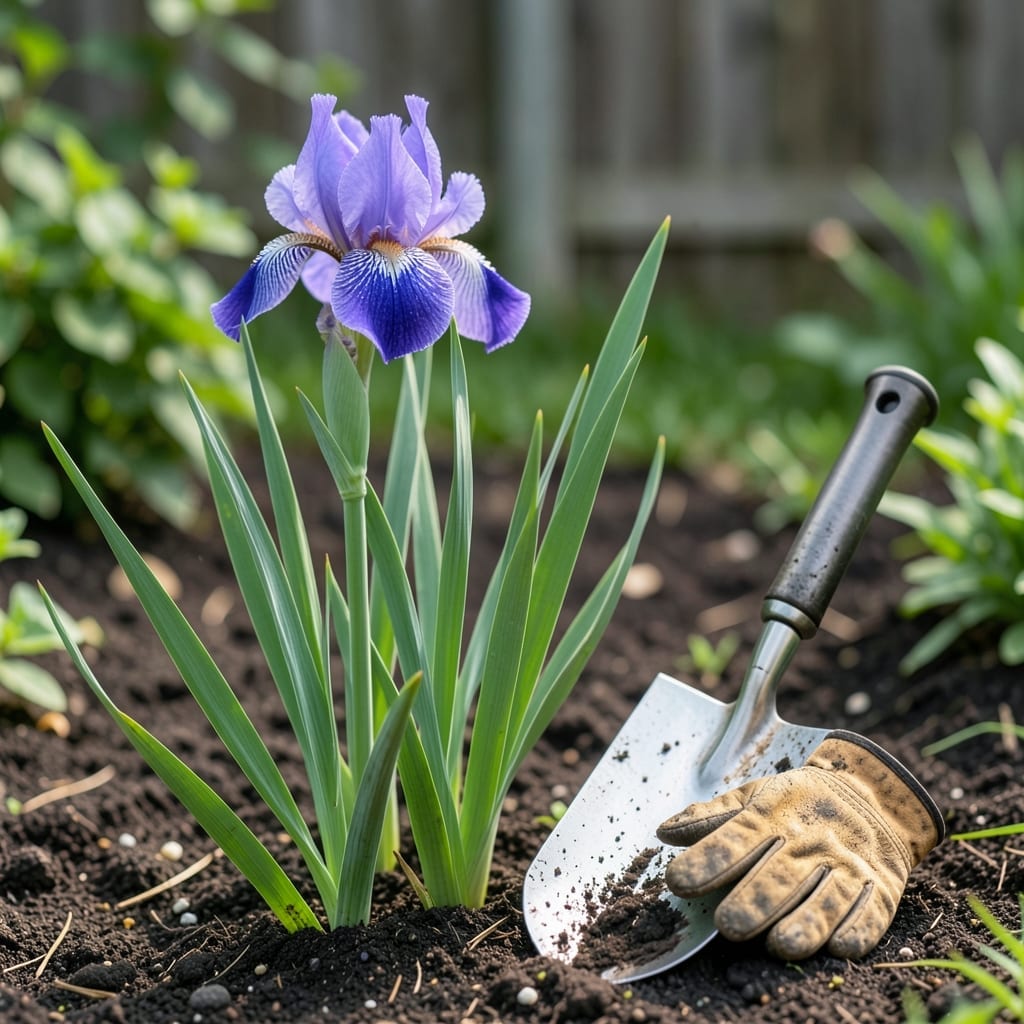
Timing is everything when it comes to planting Iris 🌸 in Oklahoma’s unpredictable climate. Get it right, and you’ll be rewarded with vibrant blooms year after year.
Our state’s USDA zones 6b-7a bring unique challenges, but fall planting offers the perfect window. The cooler temperatures help rhizomes establish strong roots before winter.
I’ve learned through trial and error that September through October gives your Iris the best start. This timing allows them to settle in before the first frost hits.
Discover why this seasonal approach works so well and how to prepare your soil for success. Your garden will thank you come spring.
Oklahoma’s USDA zones 6-8 create a unique challenge for iris planting. The fall season is ideal, allowing rhizomes to establish roots before winter dormancy. I’ve found September to October works best across most regions.
In eastern Oklahoma, with its milder winters, you can plant as late as early November. However, western Oklahoma gardeners should aim for early September to avoid early frosts.
Oklahoma Iris Planting Guide
| Region | Ideal Months | Soil Temp |
|---|---|---|
| Eastern OK | Sept-Nov | 60-70°F |
| Western OK | Sept-Oct | 65-75°F |
| Central OK | Sept-Oct | 60-75°F |
The soil temperature is crucial for iris planting. Aim for 60-75°F at a 4-inch depth for optimal root development. Oklahoma’s clay-heavy soil can retain heat, so test with a soil thermometer before planting.
Spring planting is possible but less ideal. If you must plant in spring, do it as early as possible after the last frost, typically mid-April in most areas. However, fall-planted iris often bloom better the following year.
I’ve noticed that bearded iris varieties perform particularly well in Oklahoma. They’re more drought-tolerant once established, which is perfect for our hot summers. Siberian iris also do well but prefer slightly more moisture.
For the best results, prepare your soil a few weeks before planting. Oklahoma’s clay can be dense, so I recommend amending with compost or sand to improve drainage. Iris rhizomes hate sitting in water and will rot if the soil stays soggy.
Another key factor is sunlight exposure. Iris need full sun (at least 6 hours daily) to produce those stunning blooms. In Oklahoma’s intense summer, afternoon shade can help prevent scorching, especially for darker varieties.
If you’re in urban areas like Oklahoma City or Tulsa, microclimates can affect planting times. Heat islands might allow for slightly later planting, while rural areas may need to stick to the earlier end of the window.
Remember, the rhizome’s position is critical. Plant them shallowly, with the top partially exposed to sunlight. This prevents rot and encourages healthy growth. I’ve seen many gardeners bury them too deep, which often leads to poor blooming.
Finally, water deeply after planting to help settle the soil, but then reduce watering until you see new growth. Overwatering is a common mistake that can doom your iris before they even get started.
With these timing and preparation tips, you’ll be well on your way to a spectacular iris display that will be the envy of your Oklahoma neighborhood 🌸
Planting Iris in Oklahoma’s clay-heavy soil requires preparation. I always start by testing my soil’s drainage and pH levels, aiming for a slightly acidic to neutral range.
Our state’s weather extremes mean you’ll need to amend the soil with organic matter like compost. This helps prevent waterlogging, which can rot the rhizomes.
After planting, I add a light mulch to retain moisture but avoid heavy layers. This protects the rhizomes from temperature swings while allowing airflow.
Oklahoma’s strong winds can topple new plants, so I stake taller varieties. This gives them support until their root systems establish fully.
Finally, I mark my planting spots. It’s easy to forget where you’ve placed rhizomes, and accidental digging can damage them before they sprout in spring.
With these steps, your Iris will thrive in Oklahoma’s challenging but rewarding climate. Patience pays off when those first vibrant blooms appear.
☀️