
Beautiful Plants For Your Interior
Beautiful Plants For Your Interior
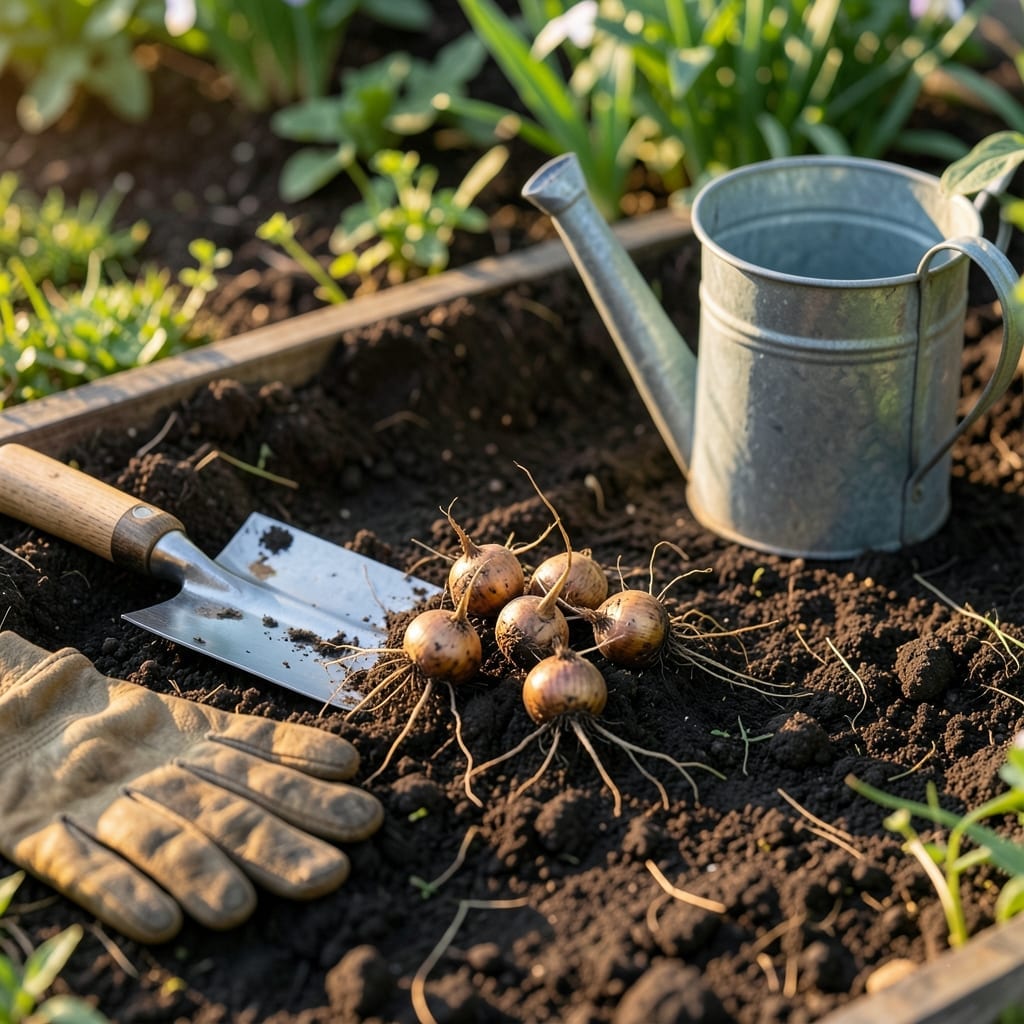
Timing is everything when planting Iris bulbs in Washington’s unique climate. Get it right, and you’ll be rewarded with vibrant, long-lasting blooms year after year.
As a gardener in zone 8b, I’ve learned that fall is the most important season for setting these beauties up for success. The cool soil helps roots establish before winter hits.
But when exactly should you start? The window is smaller than you might think. Plant too early or too late, and you risk stunting their growth or losing them to frost.
Discover the precise timing that works for Washington’s climate, and learn how to prepare your soil for the best possible start. Your future self will thank you when the 🌸 Iris blooms arrive.
Washington’s diverse climate means iris planting timing varies by region. In Western Washington, the mild, wet winters allow for a later planting window than the colder east.
The ideal time is September through October, giving roots time to establish before the first frost hits. This ensures your iris bulbs are strong and ready 🌸
| Region | Optimal Planting Time | Soil Temperature |
|---|---|---|
| Western WA | Mid-Sept to Oct | 60-65°F |
| Puget Sound | Late Sept to Oct | 55-60°F |
| Eastern WA | Early Sept to Mid-Oct | 50-55°F |
In Western Washington, the mild coastal climate allows planting as late as early November. But I recommend sticking to September-October for the best results.
Puget Sound gardeners should aim for late September to October. The cooler soil here means bulbs need extra time to establish roots before winter.
For Eastern Washington, where winters are colder and drier, plant by mid-October. This gives bulbs a full 6 weeks to settle before the ground freezes.
The soil temperature should be below 60°F to prevent premature sprouting. Use a soil thermometer to check before planting.
If you miss the fall window, early spring is your second-best option. Plant as soon as the soil is workable, usually March in most areas.
Remember, iris bulbs need well-draining soil to prevent rot. In Washington’s wet winters, amend heavy clay with compost or sand for better drainage.
Finally, mulch lightly after planting to protect bulbs from temperature swings. This is especially important in Eastern WA, where frost can arrive early ✂️
Planting iris bulbs in Washington requires more than just good timing. I’ve found that soil preparation is just as critical as choosing the right month. Start by selecting a spot with full sun to partial shade for best results.
Washington’s well-draining soil is ideal, but I always amend mine with compost or aged manure to boost fertility. This gives the bulbs a nutrient-rich foundation to establish strong roots before winter.
I always plant my iris bulbs with the pointy end up, about 4 inches deep. This depth protects them from freezing while allowing roots to spread. In Washington’s mild winters, this is the sweet spot for survival.
After planting, I water deeply to help the soil settle. This removes air pockets that could hinder root growth. Then, I add a 2-inch layer of mulch to retain moisture and protect against temperature swings.
Spacing is another key factor. I give each bulb 12-24 inches of space, depending on the variety. This prevents overcrowding and ensures good air circulation, which reduces disease risk.
Finally, I mark the planting area to avoid accidental digging. With proper care, these bulbs will reward me with stunning spring blooms that brighten my garden for years to come. ✂️