
Beautiful Plants For Your Interior
Beautiful Plants For Your Interior
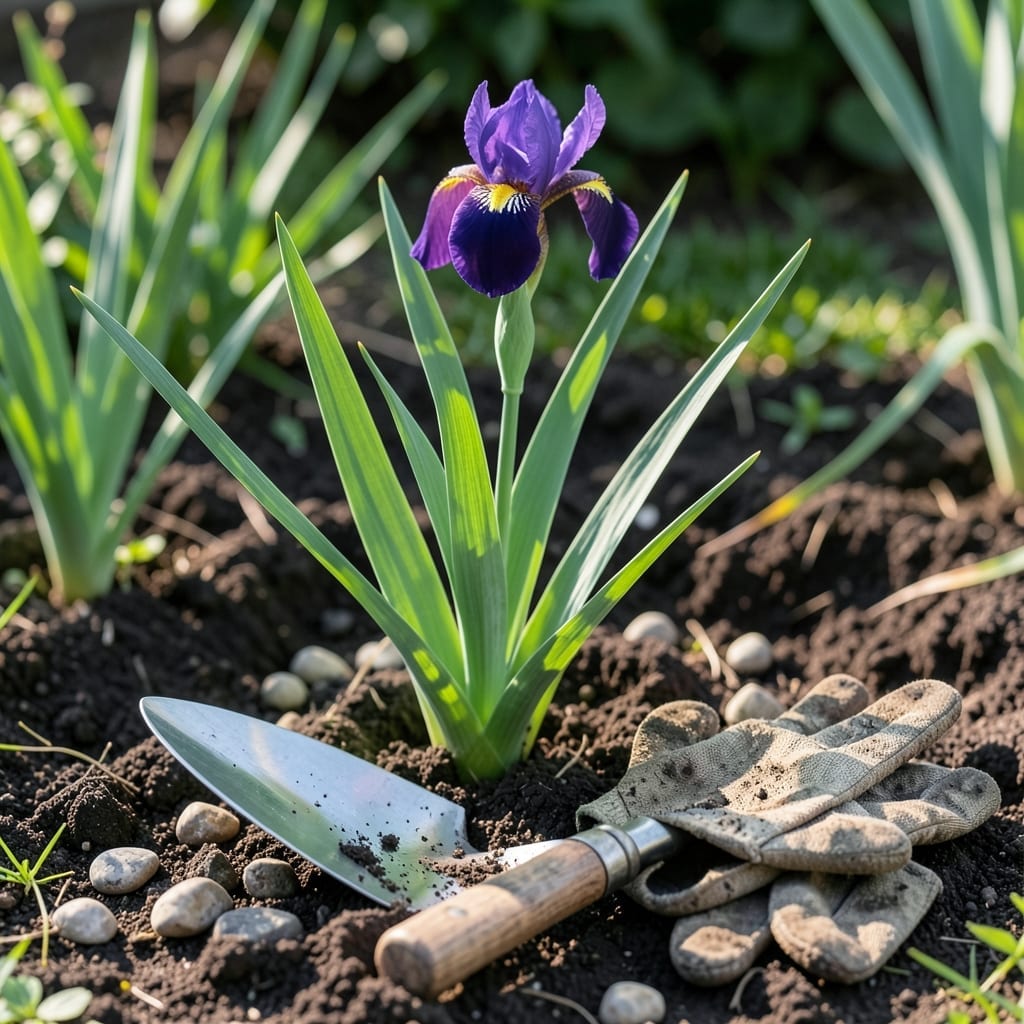
Timing is everything when it comes to planting Iris 🌸 bulbs—plant too early or too late in spring, and you risk weak blooms or no flowers at all.
I’ve learned that getting this timing right means the difference between a lackluster garden and a vibrant display of color. For USDA Zone 6, the sweet spot is April to May, when the soil has warmed just enough.
But it’s not just about the calendar. The real magic happens when you align planting with the right soil conditions and post-planting care. Discover how to set your irises up for success.
Let me walk you through the exact steps to ensure your Iris bulbs thrive and reward you with those stunning blooms you’re dreaming of.
Timing your iris bulb planting in spring is crucial for vibrant blooms. While fall is ideal, spring planting works if done early enough for roots to establish before summer heat. I always aim for late March to early April in most regions.
The key is soil temperature—it should be above 50°F at 4-inch depth. This ensures bulbs sprout without rotting. In warmer zones like USDA 7-9, you can plant slightly earlier, while cooler zones like USDA 4-5 may need to wait until mid-April.
| Requirement | Specification |
|---|---|
| Ideal Months | April – May |
| Soil Temp | Above 50°F |
| USDA Zones 4-5 | Mid-April |
| USDA Zones 7-9 | Late March |
Why does timing matter so much? Early planting allows root systems to develop before summer stress. If you plant too late, bulbs may struggle to establish properly, leading to weak or no blooms the first year.
I’ve found that well-draining soil is just as important as timing. Soggy conditions can cause bulbs to rot, especially in spring’s unpredictable rains. Always check drainage before planting by digging a 1-foot hole and filling it with water.
If it drains in under an hour, you’re good to go. For heavy clay soils, I recommend amending with compost or sand to improve drainage. This simple step can save your bulbs from drowning.
Another tip: Sun exposure plays a big role. Irises thrive in full sun to partial shade, so choose a spot that gets at least 6 hours of sunlight daily. In hotter climates, afternoon shade can help prevent scorching.
Don’t forget to space bulbs properly. I plant mine 12-24 inches apart to allow for air circulation, which reduces the risk of fungal diseases. Crowded bulbs can lead to poor blooming and disease spread.
After planting, water deeply to settle the soil, but avoid overwatering. A good rule is to water once a week unless rainfall provides 1-2 inches of moisture. Mulching with 2-3 inches of organic matter helps retain moisture.
Finally, be patient. While spring-planted irises may not bloom the first year, they’ll often reward you with stunning flowers the following spring. With the right timing and care, your irises will thrive for years to come.🌸
Planting Iris bulbs in spring is all about timing and technique. I’ve found that April to May works best for most regions, but you’ll need to adjust based on your USDA zone and local weather patterns.
Start by selecting healthy bulbs—firm, plump, and free of mold or soft spots. The soil should be well-draining and slightly acidic, as irises hate soggy roots. If your soil is heavy clay, amend it with compost or sand before planting.
Step-by-Step Planting Guide
After planting, water deeply but avoid overwatering—irises prefer moderate moisture. A light layer of mulch will help keep the soil temperature stable and suppress weeds as your irises establish themselves.
One common mistake I see is planting too deep. Remember, Iris bulbs need to be close enough to the surface to emerge easily. If you bury them too far down, they may struggle to sprout or bloom weakly.
For the best results, choose a sunny location with at least 6 hours of sunlight daily. Partial shade is tolerable, but full sun will give you the most vibrant, abundant blooms.
Finally, mark your planting spots with small stakes so you don’t accidentally disturb the bulbs while they’re establishing their root systems. With the right care, you’ll be rewarded with stunning Iris flowers by early summer.
✂️