
Beautiful Plants For Your Interior
Beautiful Plants For Your Interior
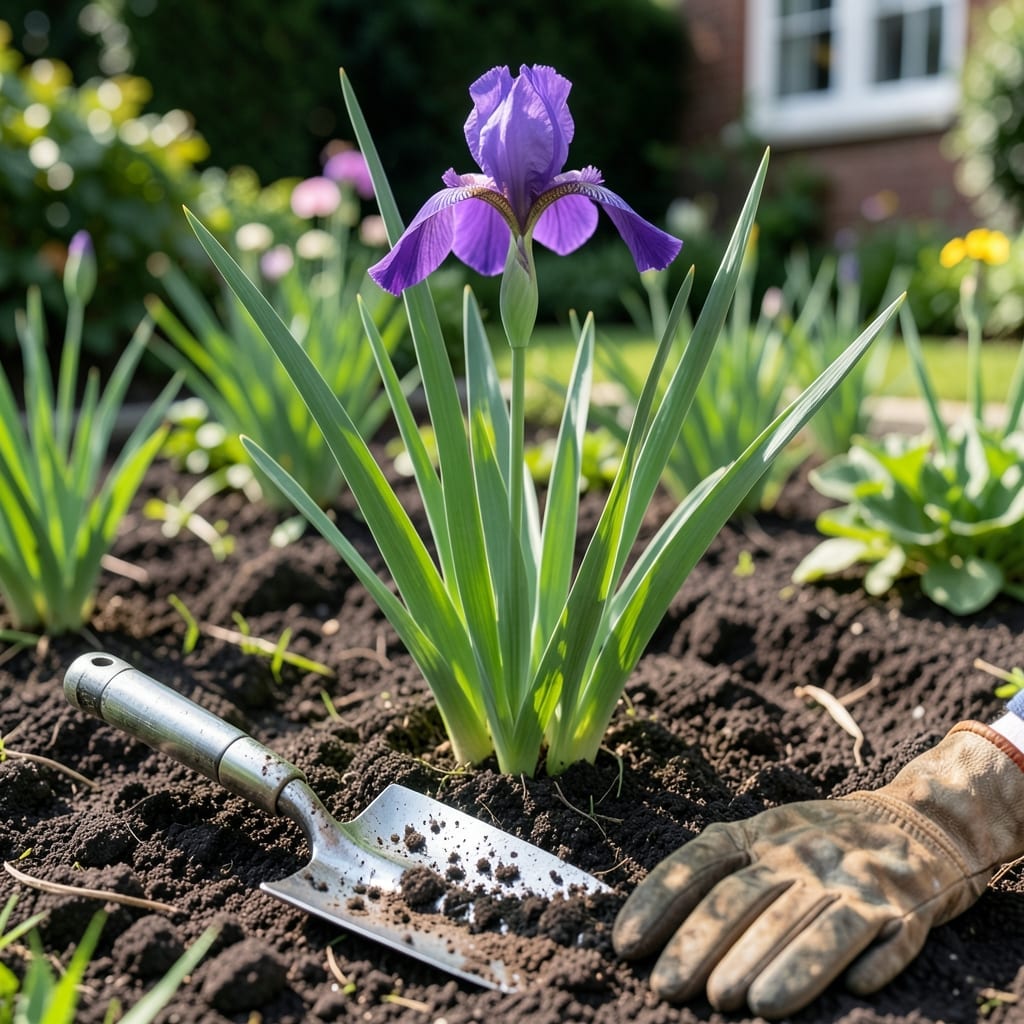
Timing is everything when planting Iris 🌸 bulbs in Minnesota’s Zone 4a climate. Get it wrong, and you risk losing them to winter’s first freeze.
I’ve learned the hard way that precision matters in our short growing season. Plant too early or too late, and those gorgeous blooms you’re dreaming of might never appear.
The sweet spot exists between September and October, giving roots just enough time to establish before the ground freezes. This window is your best bet for success.
Let me walk you through exactly when and how to plant Iris bulbs for vibrant spring color. The timing might surprise you, but it’s the key to thriving plants year after year.
In Minnesota’s Zone 5, the ideal window for planting iris bulbs is early fall, typically from September to early October. This timing allows the roots to establish before the ground freezes.
I’ve found that planting 4-6 weeks before the first frost gives the bulbs enough time to settle in. Minnesota’s first frost usually hits around October 1, so aim for late summer to early fall.
Best Times to Plant Iris Bulbs in Minnesota Zone 5
Planting Window
Details
Ideal Months
September, October
Good Months
August, November
Planting Tip
4-6 weeks before ground freezes
Frost Dates
First Frost: Oct 1
A late spring planting after the last frost (around May 15) can also work, but fall planting is preferred for stronger root development before winter dormancy.
Minnesota’s short growing season means you need to act fast. If you plant in late fall, the bulbs may not have enough time to establish before the cold sets in.
For best results, choose a well-draining spot with full sun exposure. Iris bulbs hate soggy soil, so avoid low-lying areas where water pools.
If you’re planting in containers, make sure they’re large enough to accommodate the bulbs and have drainage holes. This prevents waterlogging, which can rot the bulbs.
I always recommend mulching lightly after planting to protect the bulbs from temperature swings. A 2-3 inch layer of organic mulch works wonders.
Remember, iris bulbs need consistent moisture after planting but not waterlogging. Water them deeply once a week unless rain does the job for you.
With the right timing and care, your Minnesota iris bulbs will reward you with stunning blooms come spring and summer 🌸
Planting Iris bulbs in Minnesota requires careful timing and preparation. I always start by selecting a well-draining location with at least 6 hours of sunlight daily to ensure vibrant blooms.
Once the spot is chosen, I loosen the soil to a depth of 12 inches and mix in compost for added nutrients. This step is crucial for root development before winter. 🌱
After planting, I
Mulching is another critical step. I apply a 2-3 inch layer of organic mulch like straw or shredded leaves. This protects the bulbs from Minnesota’s harsh winter temperatures.
In spring, I remove the mulch gradually as the weather warms to allow new shoots to emerge. This timing helps prevent rot while still offering early-season protection.
Finally, I monitor the soil moisture throughout the fall. Consistent moisture without waterlogging is key to helping the bulbs establish strong roots before winter arrives. 🌿