
Beautiful Plants For Your Interior
Beautiful Plants For Your Interior
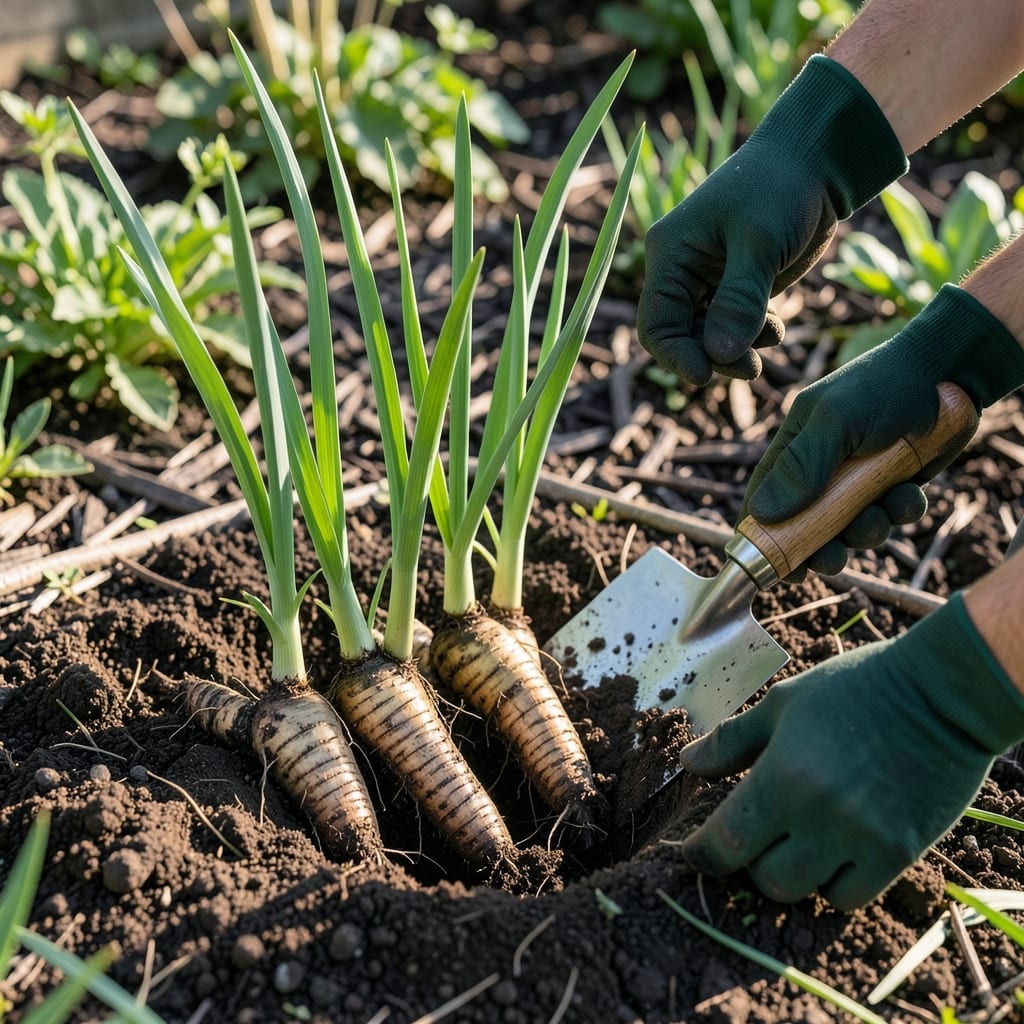
Timing is everything when planting Iris bulbs in Massachusetts—plant too early or too late, and you might miss out on those stunning spring blooms. I’ve learned that getting this right is the key to vibrant, healthy flowers.
The perfect window for planting in zones 5b-7a is a small but critical timeframe. You’ll want to give your 🌸 Iris bulbs enough time to establish roots before winter arrives.
I’ll walk you through the exact timing and why it matters for New England’s climate. Whether you’re a seasoned gardener or just starting, this guidance will set you up for success.
Discover how to align your planting schedule with Massachusetts’ frost dates and seasonal shifts. Let’s make sure your irises thrive and bloom beautifully come spring.
If you want gorgeous iris blooms in Massachusetts next spring, timing is everything. The ideal window for planting iris bulbs is from late July to early September. This gives the roots enough time to establish before winter hits. 🌱
Massachusetts falls in USDA zones 5-7, where the first frost typically arrives in mid-October. Planting 4-6 weeks before the ground freezes ensures your irises develop a strong root system to survive the cold. 🌿
| Planting Requirement | Massachusetts Specifics |
| Ideal Months | September to early October |
| Soil Temperature | 60-70°F for best root growth |
| Depth | 3-4 inches deep |
| Spacing | 12-24 inches apart |
| Sunlight Needs | Full sun to partial shade |
I always recommend checking your local frost dates for precision. In western Massachusetts, you might plant a bit earlier than the coastal areas, where the climate is slightly milder. This small adjustment can make a big difference. ☀️
The soil temperature is another critical factor. Iris bulbs need warm soil (around 60-70°F) to start root growth, but not so warm that they sprout prematurely. Planting in late summer hits this sweet spot perfectly. 🌡️
If you miss the ideal window, don’t panic. You can still plant iris bulbs in late October or even November in milder years. Just add a thick layer of mulch (about 4-6 inches) to insulate the soil and protect the bulbs from freezing. 🪴
For the best results, I suggest preparing your soil a few weeks before planting. Massachusetts soils, especially in the eastern part of the state, can be heavy and clay-like. Mix in compost or sand to improve drainage and prevent bulb rot. ✂️
Remember, iris bulbs are drought-tolerant once established, but they need consistent moisture during their first growing season. Water them deeply once a week unless rainfall provides about 1 inch of water. 💧
Finally, choose a sunny location with at least 6 hours of direct sunlight daily. While irises can tolerate partial shade, they’ll produce the most vibrant blooms in full sun. If your garden has shady spots, consider planting them where they’ll get morning sun and afternoon shade. 🌻
By following these guidelines, you’ll set your iris bulbs up for success. Come spring, you’ll be rewarded with stunning, colorful blooms that are the envy of your neighborhood. Trust me, the effort is worth it for those first gorgeous iris flowers peeking through the soil. 🌷
Planting iris bulbs in Massachusetts requires careful soil preparation. I always start by choosing a well-draining location with at least 6 hours of sunlight daily for the best results.
In Massachusetts, our clay-heavy soils can be tricky. I recommend amending the bed with compost or sand to improve drainage before planting your 🌸 irises.
After planting, I
For post-planting care, I add a 2-inch mulch layer to protect against temperature swings. This helps your irises survive our New England winters with ease.
Remember, timing matters. Planting in late September gives bulbs enough time to establish before the first frost hits, usually around mid-October.
With these steps, you’ll set your iris bulbs up for a spectacular spring bloom that will be the envy of your Massachusetts neighborhood 🌿