
Beautiful Plants For Your Interior
Beautiful Plants For Your Interior
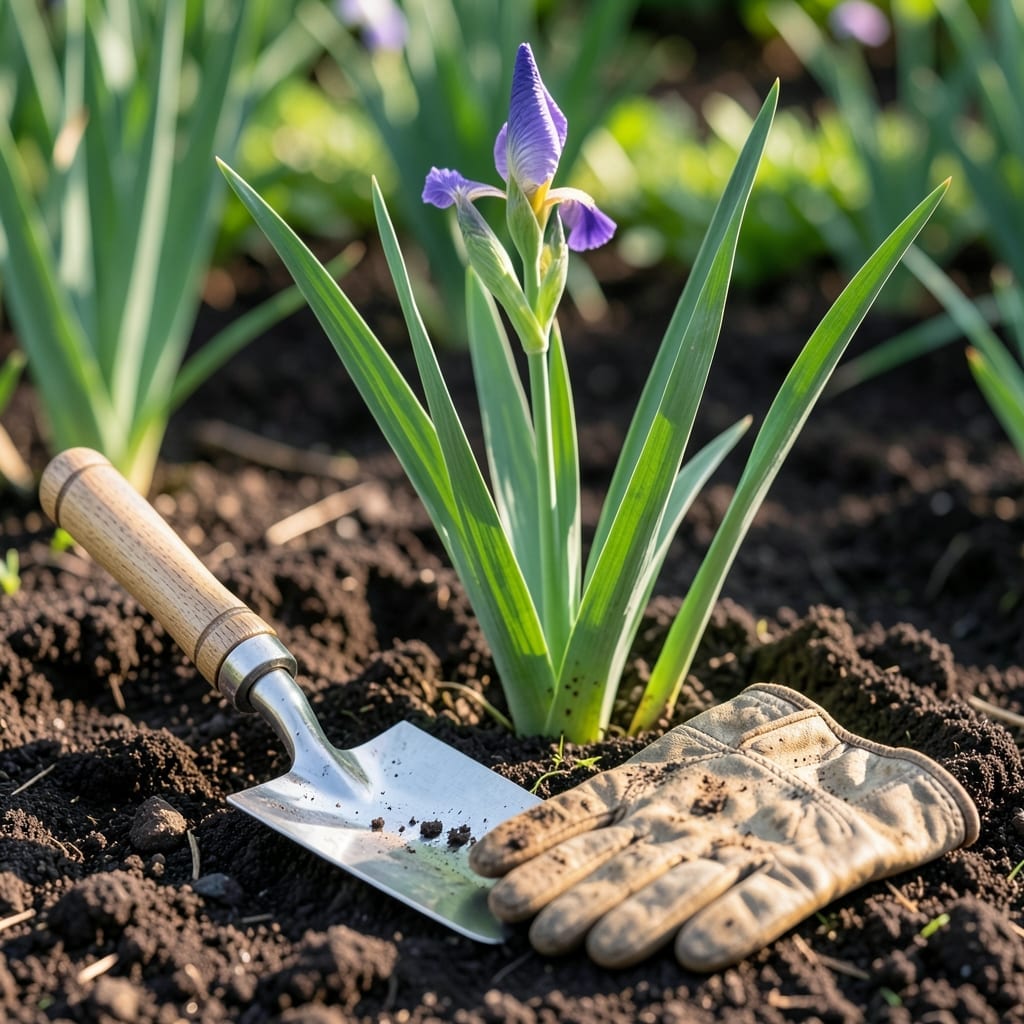
Timing is everything when planting Iris 🌸 bulbs in Illinois—get it wrong, and your garden might miss out on those stunning spring blooms. Illinois gardeners know how finicky these beauties can be with our unpredictable weather.
Plant too early, and winter frost might ruin your bulbs. Too late, and they won’t establish roots before the cold sets in. The sweet spot exists, and I’m here to help you find it.
In zones 5b-6a, fall planting offers the best results, giving your Iris the time it needs to settle in. But when exactly should you start? Let’s break it down.
Discover the precise windows for planting, along with tips to ensure your Iris thrive. Your garden’s future starts with this simple guide.
Illinois spans USDA zones 4 through 6, which means your planting window for iris bulbs varies slightly. In northern Illinois (Zone 4-5), fall planting is ideal because it gives bulbs time to establish roots before winter.
For central and southern Illinois (Zone 5-6), you can plant a bit later in fall or even try early spring. The key is ensuring soil temperatures stay above 60°F for root growth before dormancy.
| Zone | Best Planting Time | Soil Temp Requirement | Notes |
|---|---|---|---|
| 4-5 (Northern IL) | Early September | 60°F+ | Plant 6 weeks before first frost |
| 5 (Central IL) | Mid-September | 60°F+ | Ideal for most iris varieties |
| 6 (Southern IL) | Late September to October | 60°F+ | Spring planting possible but less ideal |
I always recommend fall planting for irises in Illinois because it mimics their natural growth cycle. The bulbs need 4-6 weeks of warm soil to develop strong roots before winter dormancy sets in.
In Zone 4, aim to finish planting by early October to avoid early frosts. For Zone 6, you can push planting to late October, but watch the weather forecasts closely.
Spring planting is possible in all zones, but it often results in weaker first-year blooms. If you must plant in spring, do it as soon as the soil is workable, typically late March to early April in most of Illinois.
Remember that iris bulbs prefer well-draining soil. Illinois’ clay-heavy soil can be problematic, so I always amend my planting areas with compost or sand to improve drainage.
The ideal soil temperature for root growth is 60-70°F. You can check this with a simple soil thermometer available at any garden center. If temperatures drop below 50°F, root development slows significantly.
For the best results, plant your iris bulbs in a location that receives full sun to partial shade. In Illinois, this typically means 6+ hours of sunlight daily, with some afternoon shade tolerance in hotter areas.
Finally, mark your calendar for early September if you’re in northern Illinois, and late September for central and southern regions. This timing gives your irises the best chance to establish before winter and reward you with gorgeous blooms next spring.
🌸
Planting iris bulbs in Illinois starts with site selection. I always pick a spot with full sun to partial shade—at least 6 hours of sunlight daily. Illinois’ clay-heavy soil needs work, so I focus on drainage first.
For soil prep, I amend the bed with compost or sand to break up clay. A raised bed can help if drainage is poor. Test soil pH too—iris thrives in 6.8 to 7.0 range.
I plant each iris bulb with the rhizome partially exposed. This helps prevent rot and encourages healthy growth. The planting depth is crucial—too deep and they won’t bloom.
After planting, I water thoroughly to settle the soil. In colder zones like 5b-6a, I add a 2-3 inch mulch layer to protect against winter freeze. This keeps soil temperature steady.
Post-planting care includes weekly watering for the first month. Once established, iris are drought-tolerant but perform best with consistent moisture during growing season.
For best results, I avoid over-fertilizing. A light feeding in early spring with 6-10-10 fertilizer supports blooming. Always follow up with deep watering after feeding.
Remember, fall planting gives roots time to establish before winter. In Illinois, September to October is ideal for most gardeners 🌿