
Beautiful Plants For Your Interior
Beautiful Plants For Your Interior
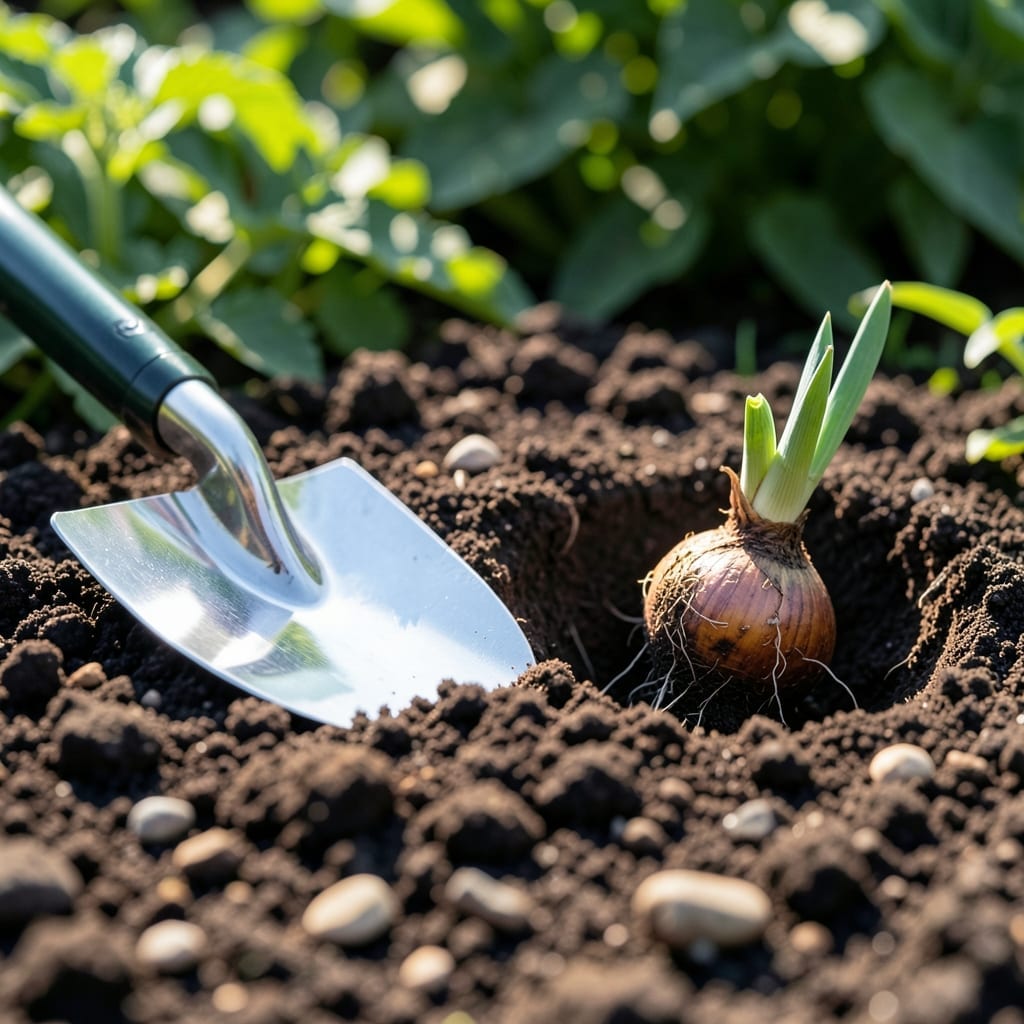
Timing is everything when planting Iris bulbs in California—plant too early or too late, and you might miss out on those breathtaking spring blooms.
The Golden State’s diverse climate means what works in coastal areas may not suit inland regions. I’ve seen gardeners struggle with weak or nonexistent flowers simply because they got the timing wrong.
Get it right, and you’ll be rewarded with vibrant, healthy 🌸 Iris that thrive. Whether you’re in 10a or a cooler zone, the fall window is your best bet.
Discover the exact months to plant and why they matter—your future self will thank you when those stunning blooms appear.
California’s diverse climate means Iris bulb planting timing varies by region. Coastal areas with mild winters allow planting from September to November, while inland regions benefit from early fall planting.
In hotter desert zones, aim for late October to November to avoid heat stress. Mountainous areas with colder winters should plant by early September before frost sets in.
| Climate Zone | Optimal Planting Months | Key Consideration |
|---|---|---|
| Coastal | September–November | Mild winters, well-draining soil |
| Inland | Late September–October | Avoid extreme summer heat |
| Desert | October–November | Plant before winter warmth |
| Mountainous | Early September | Beat early frost dates |
I always recommend checking your USDA hardiness zone for precision. Most of California falls in zones 7–10, but microclimates can shift the ideal window by weeks.
Pro tip: If you’re in Zone 10a, planting in August can work, but bulbs may need extra mulch to stay cool. In cooler zones, September planting gives roots time to establish.
Soil temperature matters too. Aim for 60–70°F at planting depth for best results. Too warm, and bulbs may rot; too cold, and they won’t root properly before winter.
For reblooming Iris varieties, fall planting ensures strong spring blooms and potential second flushes in summer. I’ve seen German Irises thrive with this timing in my own garden.
If you miss the fall window, December can work in mild coastal areas, but avoid planting during active frost or waterlogged soil conditions.
Remember, well-draining soil is non-negotiable. California’s clay-heavy regions may need amending with compost or sand to prevent bulb rot.
Finally, mark your calendar for 6–8 weeks before your area’s first frost. This gives bulbs enough time to root before dormancy.
With the right timing, you’ll enjoy stunning Iris blooms from March to May 🌸
Planting Iris bulbs in California starts with soil prep. I always test my soil first—irises need well-draining conditions to prevent rot. Sandy or loamy soil works best here. 🌱
In the Golden State, you’ll want to amend heavy clay with compost or coarse sand. This ensures roots get the air they need. Aim for a neutral pH between 6.8 and 7.0 for best results.
After planting, add a 2-inch mulch layer to retain moisture and suppress weeds. I use organic mulch like straw or bark chips for best results. ☀️
For sun exposure, irises need 6+ hours of direct sunlight daily. In hotter inland areas, afternoon shade can help prevent scorching.
Finally, avoid overwatering. Irises are drought-tolerant once established, so water weekly unless rain provides enough moisture. ✂️
With these steps, your iris bulbs will establish strong roots and reward you with stunning blooms come spring. Trust me, the effort is worth it! 🌷