
Beautiful Plants For Your Interior
Beautiful Plants For Your Interior
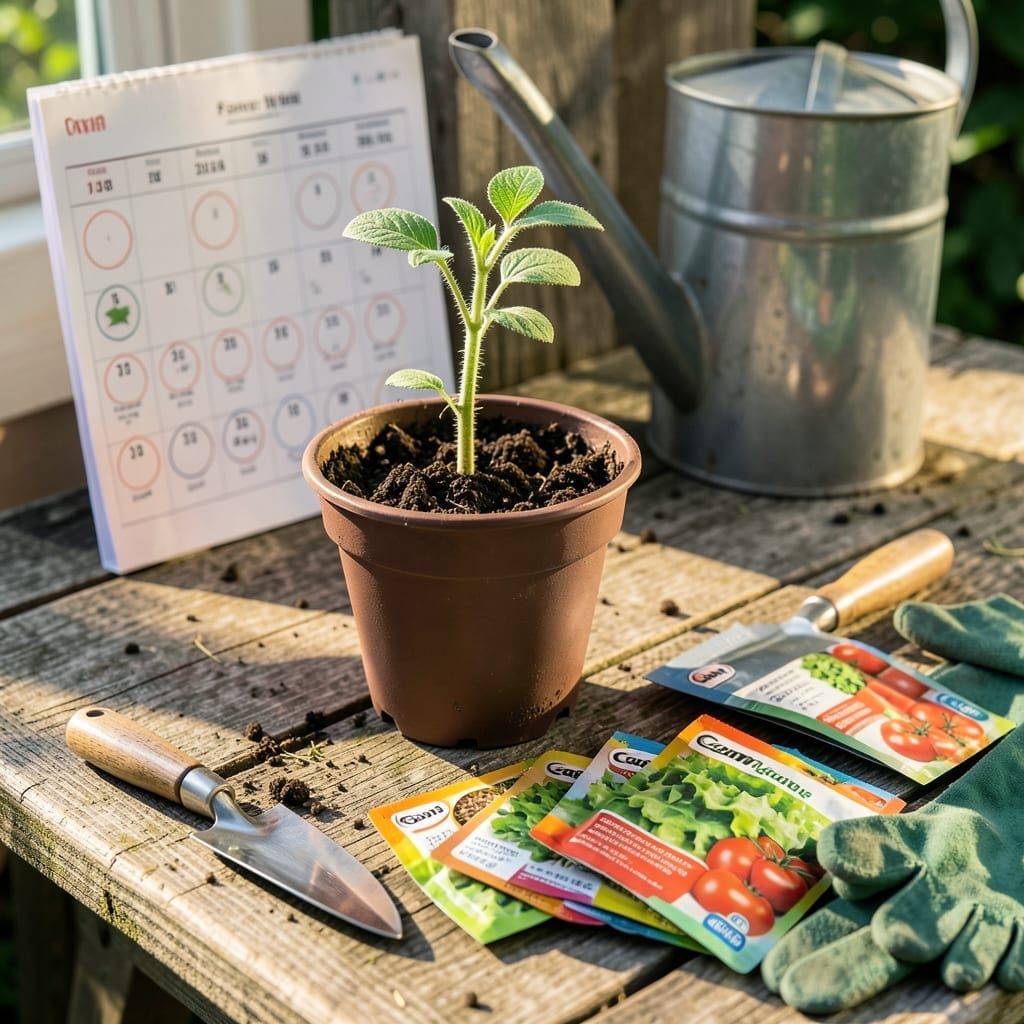
Timing is everything when it comes to planting in Ohio. With its variable climate spanning USDA zones 5-6, knowing the exact windows can mean the difference between success and struggle.
I’ve seen too many gardeners in Ohio jump the gun in March, only to lose their 🌱 General crops to a late frost. The key is understanding your local frost dates and soil temperatures.
Whether you’re planting cool-season veggies or warm-season flowers, this guide will help you pinpoint the best times for each. No more guessing or relying on luck.
Discover how to align your planting schedule with Ohio’s seasons for a garden that truly thrives year after year.
Ohio’s USDA zones 5-6 create unique planting windows. In zone 5, the last frost typically hits around April 20, while zone 6 gardeners often see it near April 10. These dates are your green light for warm-season crops.
For cool-season vegetables like lettuce and peas, I start sowing as soon as the soil is workable in early spring. This is usually late March to early April for most of Ohio.
| Crop Type | Planting Window | Zone 5 Dates | Zone 6 Dates |
|---|---|---|---|
| Cool-Season Veggies | Early Spring/Late Summer | Mar 20-Apr 10 | Mar 10-Apr 1 |
| Warm-Season Veggies | After Last Frost | Apr 20-May 10 | Apr 10-Apr 30 |
| Perennial Flowers | Spring/Fall | Apr 15-May 15 | Apr 1-Apr 30 |
| Herbs | After Frost Danger | May 1-15 | Apr 15-May 1 |
I always remind fellow gardeners that soil temperature matters as much as air temperature. Tomatoes and peppers need soil at least 60°F to thrive, which usually happens 2-3 weeks after the last frost.
For fall planting, I count backward from the first frost date. In zone 5, that’s around October 15, while zone 6 often sees it near October 25. This timing is perfect for kale and spinach.
Don’t forget about succession planting! I plant bush beans every 2 weeks from late May to early July for a continuous harvest. This technique works wonderfully with radishes and lettuce too.
In my experience, transplants often do better than direct sowing for warm-season crops. I start my tomato and pepper seedlings indoors 6-8 weeks before the last frost date for strongest results.
Annual flowers like marigolds and zinnias can be direct sown after the last frost. I love these because they’re low-maintenance and pollinator-friendly, plus they add vibrant color to any garden.
For perennial plants, early fall is often better than spring planting. The cooler temperatures and autumn rains help establish strong root systems before winter dormancy.
Remember that microclimates can affect these dates. My south-facing garden often warms up 1-2 weeks earlier than the official zone dates suggest. Always observe your specific garden conditions.
I keep a garden journal to track my planting dates and results each year. This helps me refine my schedule based on my own microclimate and the quirks of each growing season. ☀️
Ohio’s growing seasons offer distinct windows for both cool-season and warm-season crops. I’ve found that timing your planting right can make all the difference in yield and plant health.
For early spring, focus on hardy veggies like lettuce, spinach, and peas. These thrive in cooler soil and can often handle light frosts. 🌱
Top Seasonal Picks for Ohio Gardens
In late spring, once the soil warms to 60°F, it’s time for beans, corn, and squash. These need consistent warmth to germinate and grow strong.
For fall planting, I recommend re-seeding radishes and turnips in late summer. They mature quickly before the first frost hits in October. ✂️
Pro tip: Always check your local frost dates. In zone 5, last frost is often May 10-15, while zone 6 may see it a week earlier.
Don’t forget herbs! Basil and cilantro love warm weather, but parsley and chives can handle cooler temps. Plant them accordingly for best results. 🌿