
Beautiful Plants For Your Interior
Beautiful Plants For Your Interior
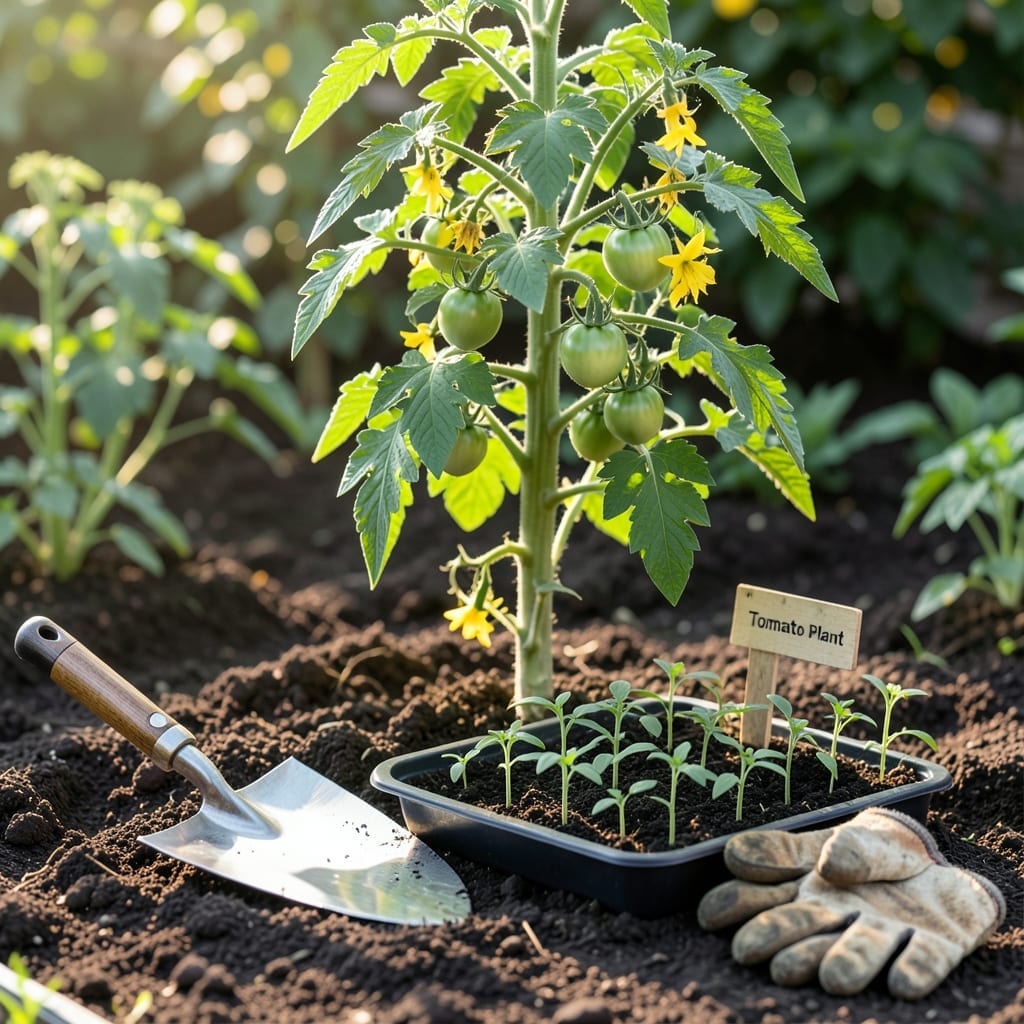
Timing is everything when it comes to planting in Kentucky. Plant too early and frost could kill your General Vegetables 🌱, too late and you’ll miss the optimal growing window.
Discover the best schedule for your zone to maximize yields and minimize risks. Whether you’re in zone 6b or another part of the state, getting the timing right can make all the difference.
I’ve tested different approaches over the years, and what I’m about to share changed everything for my garden. You’ll want to pay close attention to these insights.
Let me walk you through the exact planting calendar that works for Kentucky’s unique climate. You’ll be amazed at the results.
Kentucky spans USDA zones 6a to 7b, each with unique planting windows. Knowing your zone helps avoid frost damage and ensures a successful growing season. I always check my local zone first.
In zone 6a, the last frost typically hits around April 20, while zone 7b sees it nearer April 5. These dates guide when to start frost-sensitive crops like tomatoes.
| Zone | Last Frost Date | First Frost Date | Planting Window |
|---|---|---|---|
| 6a | April 20 | October 20 | April 20 – May 10 |
| 6b | April 15 | October 25 | April 10 – May 5 |
| 7a | April 10 | October 30 | April 5 – April 25 |
| 7b | April 5 | November 5 | March 25 – April 15 |
For cool-season crops like lettuce and peas, I plant 4-6 weeks before the last frost. These thrive in cooler soil and can handle light frosts. Spinach and kale are my go-to early starters.
Warm-season crops like tomatoes and peppers need soil temps above 60°F. I wait until 2 weeks after the last frost to plant these. Using a soil thermometer helps me time it perfectly.
In zone 7b, I can start warm-season crops earlier than in zone 6a. This means tomatoes can go in the ground by mid-April in 7b, but not until early May in 6a.
Kentucky’s growing season averages 180-200 days. This gives plenty of time for two harvests of crops like beans or lettuce. I often plant a fall garden starting in late July.
Microclimates matter too. Urban areas or south-facing slopes may be warmer. I’ve noticed my raised beds warm up faster than in-ground plots, allowing earlier planting.
Always harden off seedlings before transplanting. I gradually expose them to outdoor conditions over 7-10 days. This prevents shock and ensures stronger plants.
Using row covers can extend the season by 2-4 weeks. I use them for early spring and late fall plantings to protect from unexpected cold snaps.
I’ve found that succession planting works well in Kentucky. By staggering plantings every 2-3 weeks, I enjoy continuous harvests of crops like radishes and bush beans.
Kentucky’s climate offers a fantastic growing season if you time it right. I’ve found that breaking it down by cool-season and warm-season crops makes all the difference. Spring and fall are perfect for lettuce and spinach, while summer is ideal for tomatoes and peppers.
For the best results, always align your planting schedule with the last frost date in your USDA zone. In most of Kentucky, that’s around April 15, but it varies slightly by region.
I always start my cool-season crops indoors about 6-8 weeks before the last frost. This gives them a head start and ensures they’re strong enough to handle the outdoor conditions when the time comes.
For warm-season crops, I wait until the soil temperature reaches at least 60°F. A simple soil thermometer can save you a lot of guesswork. Tomatoes and peppers especially need this warmth to thrive.
Don’t forget about succession planting. By staggered planting, I get multiple harvests of bush beans and lettuce throughout the season. It’s a game-changer for maximizing your garden’s productivity.
Finally, always keep an eye on the weather forecast. Kentucky’s weather can be unpredictable, and a surprise late frost or early heatwave can throw off even the best-laid plans. Being flexible is key 🌿