
Beautiful Plants For Your Interior
Beautiful Plants For Your Interior
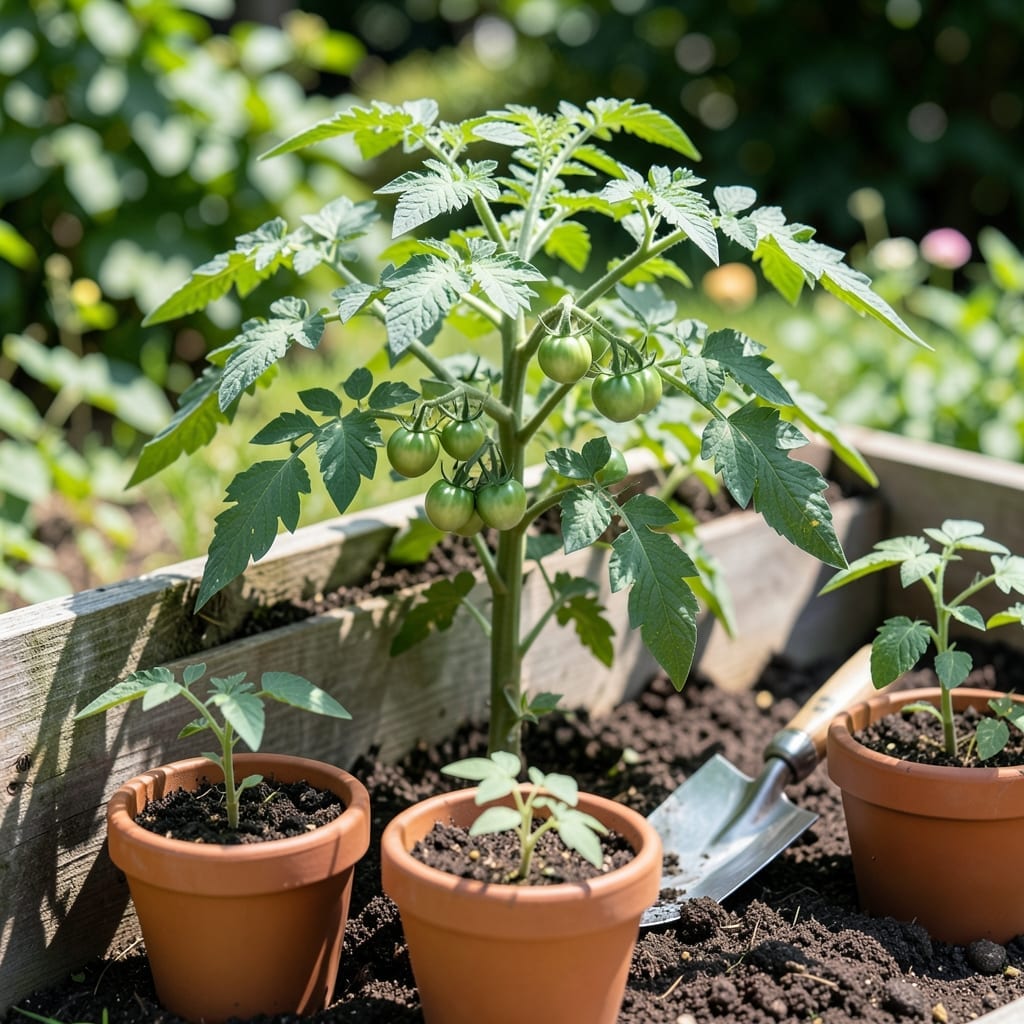
Central Florida’s unique climate with hot summers and mild winters means your planting schedule differs from much of the country. Timing is everything for a thriving garden here.
The 🌱 General planting window in zone 9b offers year-round opportunities for warm-season crops. But cool-season varieties need that October to March sweet spot to flourish.
I’ve seen too many gardeners struggle by planting at the wrong time. The good news? With the right schedule, you can grow an abundance of vegetables, flowers, and herbs almost any month.
Let me walk you through the seasonal calendar and region-specific tips that will make your Central Florida garden the envy of the neighborhood. It’s easier than you think.
Central Florida’s subtropical climate in USDA Zone 9b lets us garden nearly year-round. But timing is key to avoid heat stress or frost damage. I’ve found that spring and fall are the sweet spots.
The last frost typically hits around February 15, while the first frost arrives near December 15. That gives us about 340 frost-free days to work with. 🌱
| Season | Best Planting Months | Recommended Crops |
|---|---|---|
| Spring | Feb-April | Tomatoes, Peppers, Beans |
| Summer | May-June | Okra, Sweet Potatoes, Eggplant |
| Fall | Aug-Oct | Broccoli, Carrots, Kale |
| Winter | Nov-Jan | Lettuce, Spinach, Radishes |
In spring, I start my warm-season crops like tomatoes and peppers in February for best results. The soil warms up quickly, giving plants a strong start before summer heat kicks in. ☀️
Summer planting is tricky because of the intense heat. I focus on heat-tolerant varieties like okra and sweet potatoes in May and June. Always provide afternoon shade for young plants.
Fall is my favorite season for planting. From August to October, you can grow cool-season crops like broccoli and carrots. The cooler temps reduce pest pressure significantly.
For winter gardening, November through January works well for leafy greens and root vegetables. These can handle the occasional light frost that Central Florida gets. 🌿
Remember that microclimates matter. Areas near lakes or in cities like Orlando and Tampa may have slightly different conditions. I always check my local weather patterns before planting.
One pro tip: avoid planting in the peak summer months of June and July without proper shade. The heat can stress plants and reduce yields dramatically.
By following this calendar, you’ll maximize your growing season and get the most out of your Central Florida garden. I’ve seen gardens thrive using this approach, even in challenging years. ✂️
Central Florida’s subtropical climate is perfect for growing warm-season vegetables like tomatoes, peppers, and okra. These thrive in the heat and humidity that define our growing season. ☀️
For flowers, I recommend heat-tolerant varieties such as marigolds and zinnias. They add vibrant color and can handle the intense sun without wilting. 🌼
Don’t forget drought-resistant herbs like rosemary and basil. They flourish in Central Florida’s sandy soil and require minimal watering once established. 🌿
For cool-season crops, stick to October through March. Lettuce, kale, and broccoli do well in our milder winter months. Always check soil moisture, as sandy soil drains quickly. 💧
I’ve found that mulching helps retain moisture and keeps roots cool. Use organic mulch like straw or wood chips for best results. This simple step can make a big difference in plant health. ✂️
Finally, shade cloth can be a lifesaver for delicate plants during peak summer heat. It protects them from scorching while still allowing light to penetrate. This is especially useful for young seedlings. 🪴