
Beautiful Plants For Your Interior
Beautiful Plants For Your Interior
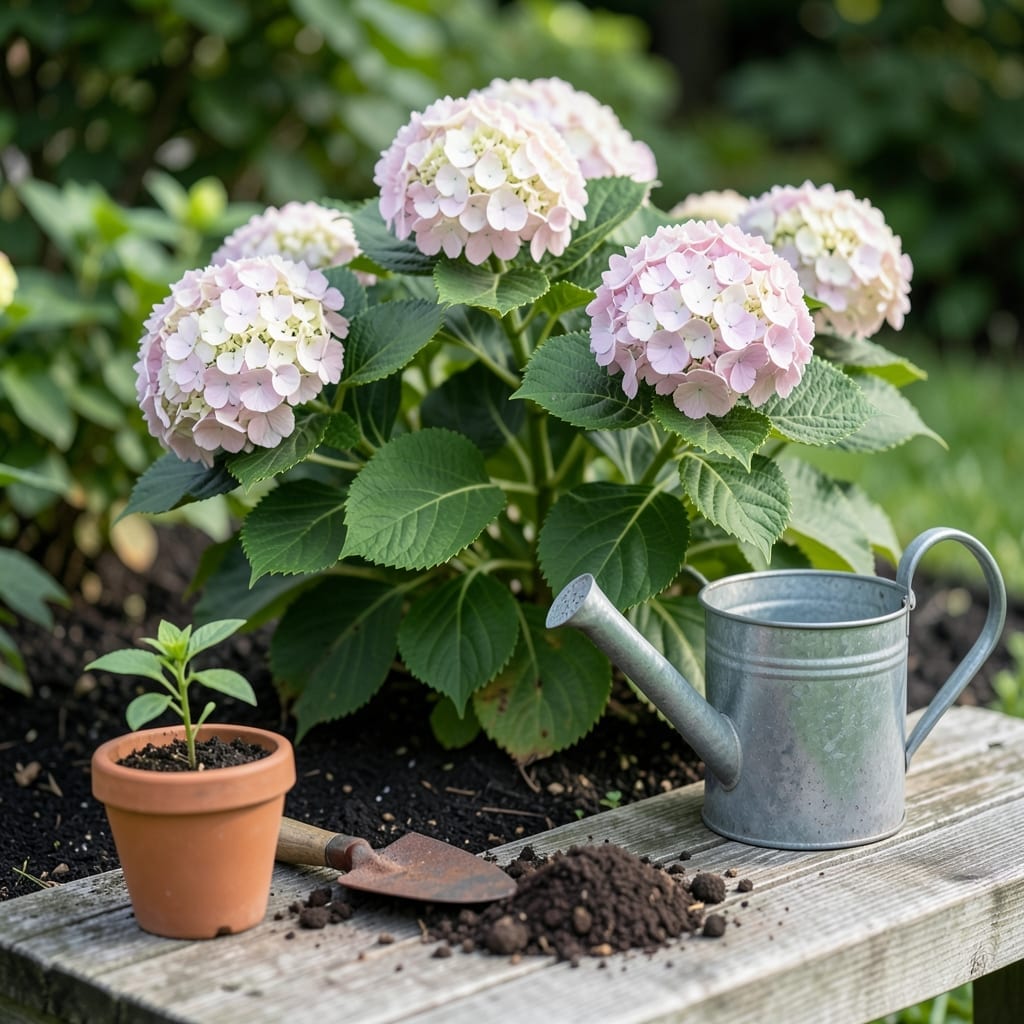
Timing is everything when planting Hydrangeas in Southern California’s unique climate. Plant too early or late, and you risk stunted growth or lackluster blooms.
I’ve seen gardeners struggle with 3 key mistakes that ruin their 💐 Hydrangea dreams before they even begin. The good news? Avoiding them is simpler than you think.
What if you could set your shrubs up for vibrant blooms year after year with just a few timing adjustments? The secret lies in working with our zone 10a seasons, not against them.
Let me walk you through the most important planting windows and why they make all the difference for your Hydrangeas. You’ll be amazed at how much easier this makes your gardening life.
Southern California’s mild winters and hot summers create a unique rhythm for planting. I’ve found that fall is the absolute best time to get hydrangeas in the ground here. The cooler temperatures help roots establish without the stress of extreme heat.
From September through November, the soil stays warm enough to encourage root growth, while the air is cool enough to prevent transplant shock. This window gives your hydrangeas a strong start before the dormant winter months. 🌿
| Season | Months | Benefits |
|---|---|---|
| Fall | September-November | Best root establishment |
| Early Spring | February-March | Good second choice |
| Summer | Avoid June-August | Too hot and dry |
If you miss the fall window, don’t worry—early spring is your next best bet. I recommend planting in February or March, just before the growing season kicks into high gear. This gives your hydrangeas time to settle in before the summer heat arrives.
However, I strongly advise against planting during peak summer months. The intense heat and drought conditions can stress young plants, making it much harder for them to establish a strong root system. Even with extra watering, the risk isn’t worth it.
For coastal areas like San Diego or Los Angeles, you have a bit more flexibility. The ocean influence moderates temperatures, so you might get away with planting as late as early December or as early as late August. But inland areas like Riverside or San Bernardino should stick to the standard fall window.
I’ve seen many gardeners make the mistake of planting in winter, thinking the cool weather helps. But December through January can bring unexpected cold snaps in some parts of SoCal, which can shock new plantings. It’s better to wait until the soil warms up a bit in late winter.
Another key factor is soil preparation. In Southern California, our native soil can be poor in organic matter. I always amend planting holes with compost or peat moss to improve moisture retention. This is especially important for hydrangeas, which prefer moist, well-draining soil. 🌱
For bigleaf hydrangeas (Hydrangea macrophylla), which are popular in our region, fall planting gives them the best chance to develop those lush, colorful blooms the following summer. The cooler months allow the plant to focus energy on root development rather than foliage growth.
Remember, the exact timing can vary slightly based on your specific microclimate. If you’re in a hotter inland valley, aim for the earlier part of the fall window. If you’re near the coast with cooler, more consistent temperatures, you can push planting a little later. Always keep an eye on the weather forecast and adjust accordingly.
Southern California’s diverse microclimates mean your hydrangea planting time may vary. Coastal areas with milder temperatures allow for slightly earlier planting, while inland zones need extra caution.
Your soil type also plays a role—clay-heavy soil drains slower, so plant in early fall to avoid waterlogged roots. Sandy soil dries faster, making late fall a safer bet.
I always recommend testing your soil pH first—hydrangeas thrive in slightly acidic to neutral soil (6.0-7.0). Adjust with amendments if needed before planting.
For inland gardens, afternoon shade is non-negotiable. The intense summer sun can scorch new plantings, so timing is crucial to avoid this.
If you’re in a hotter zone, consider drought-tolerant varieties like Oakleaf Hydrangea. These can handle late summer planting better than others.
Remember, consistent moisture is key for the first 6-8 weeks after planting. Mulch heavily to retain water and regulate soil temperature.
🌿