
Beautiful Plants For Your Interior
Beautiful Plants For Your Interior
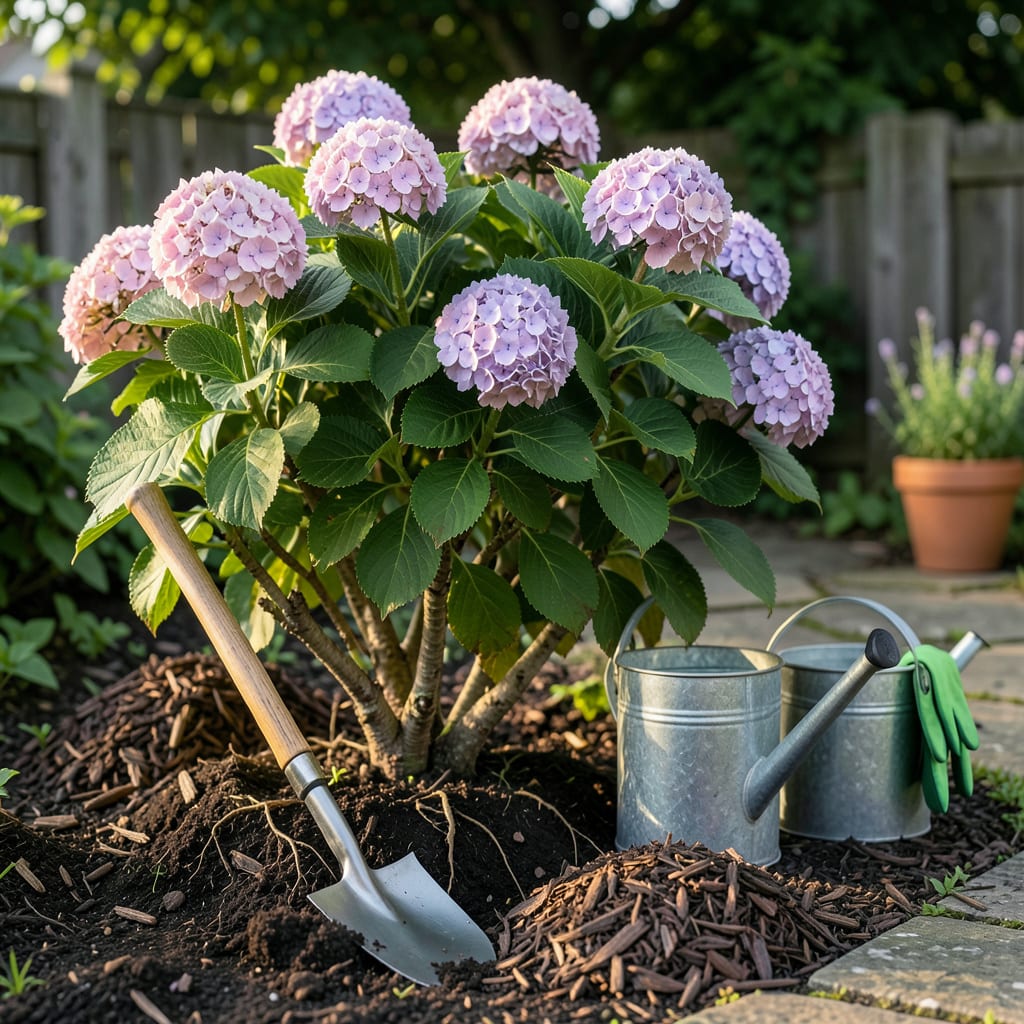
Dreaming of those lush, colorful 🌸 hydrangea blooms transforming your New Jersey garden? Timing isn’t just important—it’s everything in our unpredictable climate. Plant too early, and late frosts might ruin your efforts. Wait too long, and summer heat could stress your shrubs before they establish.
After years of testing what works (and what doesn’t) in NJ’s Zones 6b-7a, I’ve nailed down the perfect windows for planting. Whether you’re in coastal Monmouth County or inland Sussex, I’ll show you exactly when to dig in—so your hydrangeas don’t just survive, they thrive with vibrant blooms all season.
If you’ve ever wondered why your neighbor’s hydrangeas burst with color while yours struggle, the secret often lies in when they hit the soil. In New Jersey’s Zones 6b-7a, our finicky springs and early frosts demand precision. Plant too early, and late chills can shock roots; wait too long, and summer heat stresses new growth.
After testing both seasons in my own Jersey garden, I’ve found two golden windows: late April through May for spring planting, and September through early October for fall. The key? Soil temperature—aim for 50°F+ in spring and 60°F+ in fall for best root establishment. Coastal areas can push these dates slightly earlier, while inland gardens should lean later.
Spring planting shines for container-grown hydrangeas because their established root balls handle transplant shock better. I always wait until after April 15—our average last frost date—to avoid late freezes. If you’re in coastal Monmouth or Ocean County, you might sneak in early April plantings, but inland gardens (like Morris or Sussex) should stick to late April.
Fall, however, is my favorite season for planting hydrangeas in NJ. The cooler temps and consistent rainfall reduce stress on new roots, giving plants time to establish before winter. Aim for September 1 through October 10—this ensures roots grow strong before the ground freezes. I’ve had ‘Endless Summer’ hydrangeas planted in early October thrive after mulching heavily with shredded leaves.
Here’s a pro trick for fall planting: soak the root ball in water for 10 minutes before planting, then mix compost into the hole to retain moisture. This combo helped my ‘Annabelle’ hydrangeas double in size by the next summer. For spring plantings, I add a slow-release fertilizer (10-10-10) to kickstart growth, but skip it in fall to avoid tender new growth before winter.
Microclimates matter in NJ! If you’re in a warmer urban area (like Newark or Trenton), you can push fall planting to mid-October. But in cooler highland regions (Vernon or Sparta), stick to early September. Always check your local frost dates—our first frost typically hits around October 15, so aim to plant at least 4–6 weeks prior.
For bigleaf hydrangeas (H. macrophylla), partial shade is non-negotiable—especially in NJ’s humid summers. I plant mine where they get morning sun and afternoon shade, like along an east-facing fence. Panicle hydrangeas (H. paniculata) tolerate more sun, but even these appreciate shade during our July heatwaves. A thick layer of mulch (2–3 inches) keeps roots cool and moist.
If you miss the ideal windows, don’t panic! Early June or late August can work for container plants if you’re diligent about watering. Just avoid the peak of summer (July)—the stress of heat plus transplanting is a recipe for wilted leaves. I once planted a ‘Limelight’ hydrangea in late August with daily watering, and it still bloomed beautifully the next year.
Remember, hydrangeas planted in fall need extra TLC before winter. After the ground freezes, I pile on 4–6 inches of mulch (shredded bark or straw) around the base, then add a burlap wrap for wind protection in exposed areas. This simple step saved my hydrangeas during the 2022 polar vortex when temps dropped to 10°F!
Even with perfect timing, a few common blunders can derail your hydrangeas before they’ve had a chance to shine. I’ve seen gardeners in North Jersey and the Shore region make these mistakes year after year—often without realizing why their shrubs underperform. Let’s tackle the biggest offenders so your hydrangeas thrive.
First up: ignoring soil pH. New Jersey’s native soil tends to be slightly acidic to neutral (pH 6.0–7.0), but hydrangeas—especially bigleaf varieties—need that sweet spot of 5.2–6.2 for vibrant blooms. A simple soil test kit from your local Rutgers Extension office can save you years of lackluster flowers. I once had a client in Princeton whose pink hydrangeas turned a muddy lavender until we amended the soil with sulfur to lower the pH.
Our humid summers and intense afternoon sun (especially in July/August) will scorch hydrangea leaves and wilt blooms. Even sun-loving H. paniculata varieties like ‘Limelight’ need dappled shade between 12–4 PM. In urban heat islands (Newark, Camden), plant near a north-facing wall or under tall trees.
Another critical error? Skipping the watering routine during the first 6–8 weeks after planting. Hydrangeas are thirsty plants, and NJ’s sandy coastal soils or heavy clay inland drains poorly. I use the “finger test”: stick your finger 2 inches into the soil—if it’s dry, water deeply. A drip irrigation system or soaker hose works wonders for consistent moisture without wetting the leaves (which invites fungal diseases like powdery mildew).
Here’s a mistake I see even experienced gardeners make: planting too deep. Your hydrangea’s root ball should sit 1–2 inches above ground level after planting. Bury it too deep, and the stem can rot. I like to create a small mound of amended soil, spread the roots gently, then backfill with a mix of native soil and compost. In clay-heavy areas (like parts of Middlesex County), add perlite or coarse sand to improve drainage.
Don’t overlook winter prep—especially for fall-planted hydrangeas. Our NJ winters can swing from mild to brutal (remember the 2022 Christmas freeze?). After the ground freezes, pile on 4–6 inches of mulch (shredded bark or pine straw) around the base, extending it 12 inches beyond the dripline. For extra protection in windy areas (like the Pine Barrens), wrap shrubs in burlap or use a wire cage filled with leaves. This saved my ‘Nikko Blue’ hydrangeas during a surprise March nor’easter!
Finally, pruning at the wrong time can cost you a year’s blooms. Bigleaf and oakleaf hydrangeas (H. macrophylla and H. quercifolia) bloom on old wood—so prune them right after flowering (by late July). Panicle and smooth hydrangeas (H. paniculata and H. arborescens) bloom on new wood, so you can prune in late winter or early spring. I keep a gardening journal to track pruning dates—it’s a lifesaver when varieties start to blur together!
One last tip: resist the urge to fertilize in fall. A late-season feed can stimulate tender new growth that won’t harden off before winter. Instead, focus on mulching and watering deeply until the ground freezes. Come spring, a light application of balanced fertilizer (10-10-10) as new leaves emerge gives them the perfect start. My ‘Vanilla Strawberry’ hydrangeas responded best to a slow-release organic fertilizer applied in early May.
By avoiding these pitfalls, you’ll set your hydrangeas up for success—whether you’re in Cape May’s sandy soils or the rocky Highlands. Trust me, your future self will thank you when those dinner-plate-sized blooms steal the show in your garden! 🌸
Not all hydrangeas thrive equally in New Jersey’s Zones 6b-7a, and matching the right variety to your garden’s conditions—and planting it at the optimal time—can make or break your success. From the classic bigleaf hydrangeas to the cold-hardy smooth varieties, each type has unique needs.
In my Jersey garden, I’ve tested everything from ‘Endless Summer’ to ‘Limelight’, and timing matters just as much as variety. Bigleaf hydrangeas (H. macrophylla) demand partial shade and spring planting (April–May) to avoid summer stress, while panicle types (H. paniculata) handle more sun and excel with fall planting (September–October).
For bigleaf hydrangeas like ‘Nikko Blue’ or ‘BloomStruck’, spring planting is non-negotiable. These varieties bloom on old wood, so planting in fall risks winter dieback of flower buds. I plant mine in late April along an east-facing fence, where they get gentle morning sun and afternoon shade—critical for avoiding leaf scorch in NJ’s humid summers.
Panicle hydrangeas (H. paniculata), like ‘Limelight’ or ‘Little Lime’, are my top pick for fall planting. Their new-wood blooming habit means you won’t lose flowers to winter damage. I’ve had success planting these in early October in my Morris County garden, even in clay soil amended with compost. Their tolerance for full sun (6+ hours) makes them ideal for NJ’s inland areas.
If you’re in cooler microclimates (like the Kittatinny Mountains), smooth hydrangeas (H. arborescens) are your best bet. Varieties like ‘Annabelle’ or ‘Incrediball’ thrive in Zone 4–9 and handle NJ’s temperature swings. Plant them in April or September, and they’ll reward you with massive white blooms. I love their low-maintenance nature—just keep the soil moist and mulch well.
For urban gardens (Newark, Jersey City), where heat and pollution stress plants, I recommend ‘Cityline’ series bigleaf hydrangeas. These compact varieties tolerate container growing and bounce back from heat better than traditional types. Plant them in May with extra mulch to retain moisture, and you’ll get blooms all summer. 🌸
Fall is ideal for coastal NJ (Zones 7a) because the ocean moderates temperatures, giving roots extra time to establish. I plant mine in early October—the sandier soil drains well, but add compost to retain moisture. Spring works too, but watch for salt spray damage in exposed locations.
Cover newly planted hydrangeas with frost cloth or a cardboard box if temps dip below 32°F. Remove coverings by 10 AM to prevent overheating. In inland NJ, wait until after April 15 (our average last frost) to plant if possible.
Yes, but only container-grown varieties with extra care. Water daily for 2 weeks, then taper to every 2-3 days. Avoid planting during heatwaves—early June is safer than July. Mulch heavily (3 inches) to retain moisture in NJ’s summer heat.
This often happens in clay-heavy NJ soils (common in Middlesex/Somerset counties) where water pools. Amend soil with compost and perlite before planting. If already planted, try deep watering 2x/week instead of daily light watering to encourage root growth.
Bigleaf varieties (like ‘Endless Summer’) need spring planting since they bloom on old wood. Panicle types (‘Limelight’) tolerate fall planting better. Check your variety—new wood bloomers handle fall planting, while old wood types risk frost damage to buds.
