
Beautiful Plants For Your Interior
Beautiful Plants For Your Interior
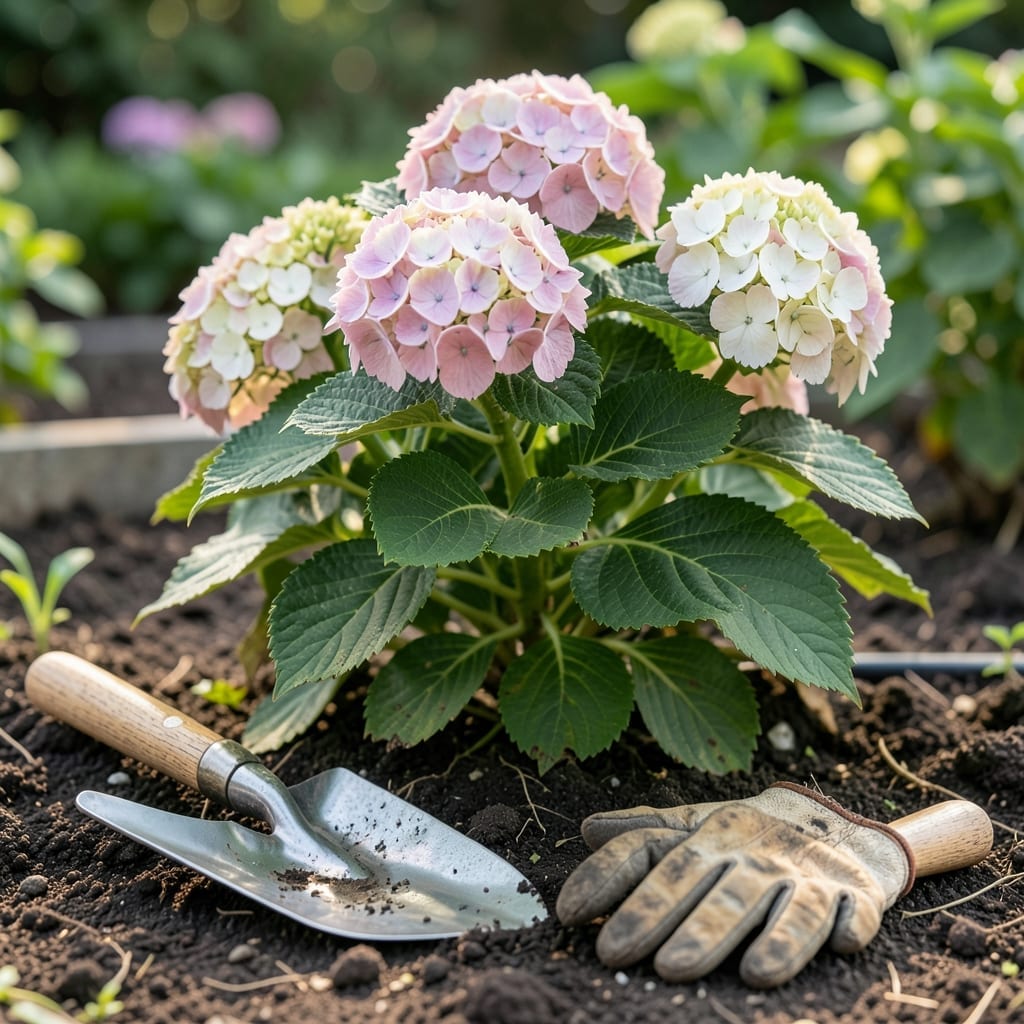
Timing is everything when planting Hydrangea in Florida’s unique climate. Plant too early or too late, and you might miss out on those stunning 🌸 blooms.
Florida’s 8a-10b zones bring heat and humidity that demand precise planning. I’ve learned the hard way that even a few weeks can make or break your success.
Discover the best months to ensure your Hydrangea thrives in the Sunshine State. Whether you’re in North, Central, or South Florida, timing is the secret to lush growth.
Let me share the exact windows and climate tips that will transform your garden. You’ll be amazed at how much difference the right timing makes.
Florida’s diverse climate means the best planting times for hydrangeas vary by region. In North Florida, the cooler fall months of October and November are ideal, as they allow roots to establish before winter.
Central Florida gardeners should aim for late fall to early winter, from November to January, to avoid the extreme heat of summer and the rare cold snaps of winter.
| Region | Best Months | Key Considerations |
|---|---|---|
| North Florida | October-November | Avoid early frost; cooler temps help roots establish |
| Central Florida | November-January | Balances heat avoidance and cold protection |
| South Florida | December-February | Plant during dry season; avoid summer rains |
In South Florida, the winter months of December through February are perfect, as they coincide with the dry season and milder temperatures, reducing stress on new plants.
I always remind gardeners that soil temperature is just as important as air temperature. Aim for soil temps between 60-70°F for the best root development. This is typically achievable in all regions during their respective planting windows.
Another key factor is humidity management. Florida’s high humidity can lead to fungal diseases if hydrangeas are planted too closely together or in poorly draining soil. Space plants 4-6 feet apart for optimal airflow.
For container planting, the rules are slightly different. You can plant hydrangeas in pots year-round in Florida, but fall and winter are still ideal to reduce heat stress on the roots.
If you’re in a coastal area, be mindful of salt spray, which can damage hydrangeas. Plant in sheltered spots or use salt-tolerant varieties like the Oakleaf hydrangea.
I’ve found that morning sun and afternoon shade work best in most Florida regions. This combination protects hydrangeas from the intense afternoon heat while ensuring they get enough light to thrive.
Finally, mulching is a must in Florida. Apply a 2-3 inch layer of organic mulch around the base of your hydrangeas to retain moisture and regulate soil temperature, especially during those critical first few months after planting.
With the right timing and care, your hydrangeas will reward you with lush, vibrant blooms that are the envy of the neighborhood 🌸
Not all hydrangeas thrive equally in Florida’s climate. I’ve found that Oakleaf hydrangeas handle the heat best, while Bigleaf varieties need extra shade and moisture to flourish.
Panicle hydrangeas are another excellent choice, tolerating more sun than others. Each type has unique needs for soil pH and light exposure that you’ll want to match.
| Variety | Best For | Sun Needs | Soil pH |
|---|---|---|---|
| Oakleaf | Heat tolerance | Partial shade | 5.0-6.0 |
| Panicle | Full sun | 6+ hours | 6.0-7.0 |
| Bigleaf | Shade gardens | Morning sun | 5.5-6.5 |
The Oakleaf hydrangea is my top pick for Florida gardens. Its native Southeast roots make it naturally drought-resistant once established, and it blooms beautifully in partial shade conditions.
Panicle hydrangeas can handle more sun but need consistent moisture. Their cone-shaped blooms add architectural interest to any landscape, and they’re more forgiving with soil conditions than Bigleaf types.
For Bigleaf hydrangeas, afternoon shade is non-negotiable in Florida. These beauties produce the largest blooms but will wilt in full sun. Keep them in morning light with rich, acidic soil for best results.
Remember, soil preparation is just as important as variety selection. I always amend with organic compost before planting, regardless of the type. This gives your hydrangeas the best start in Florida’s sandy soil.
Each variety offers something special, so choose based on your garden’s specific conditions. With the right match, you’ll enjoy stunning blooms year after year 🌸