
Beautiful Plants For Your Interior
Beautiful Plants For Your Interior
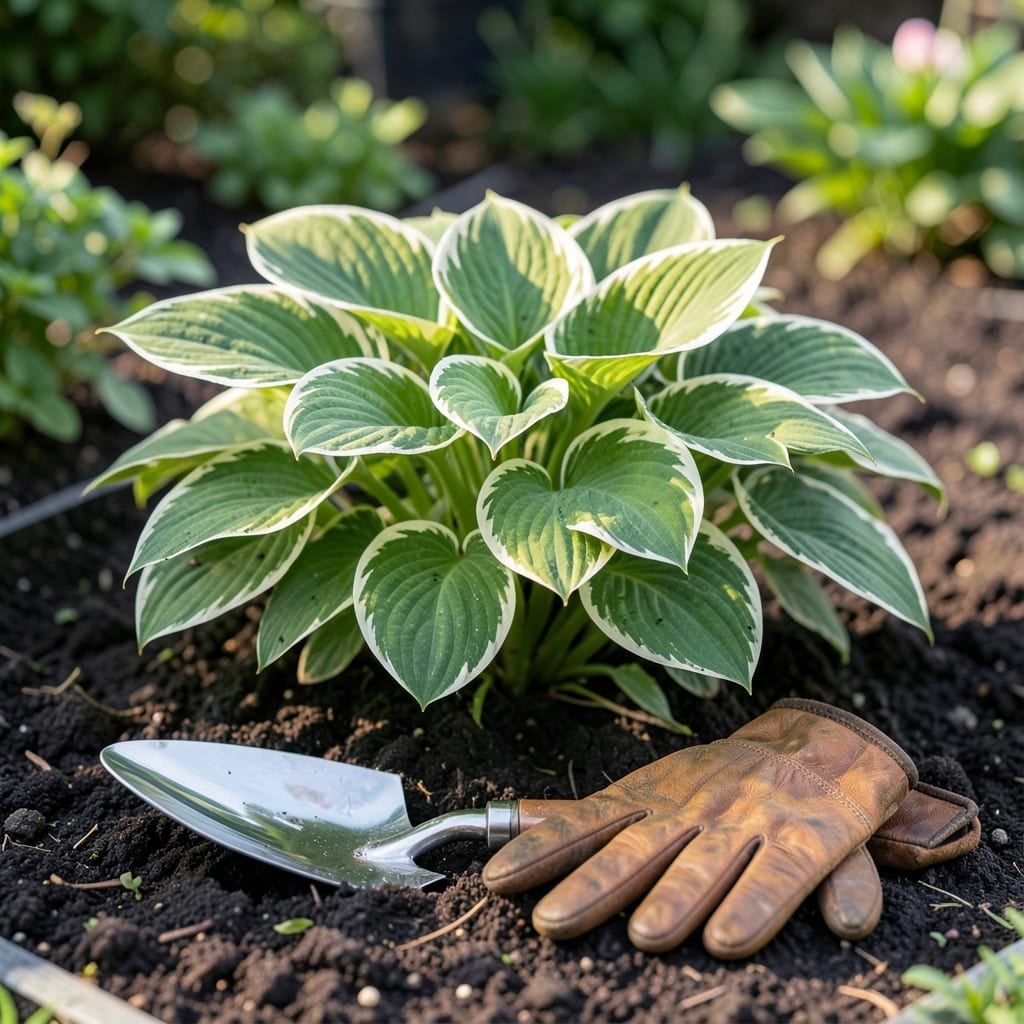
Timing is everything when planting Hostas in Colorado’s Zone 5 climate, where late frosts and temperature swings can make or break your garden.
I’ve learned the hard way that planting too early or too late can leave your 🌿 Hostas struggling to establish roots before winter hits.
Discover the ideal windows for spring and fall planting to ensure lush, thriving foliage year after year. Colorado’s unpredictable weather demands precision.
Let me walk you through the best practices for timing, soil prep, and care so your Hostas thrive from the start.
In Colorado’s Zone 5, timing your hosta planting is key to success. The ideal window is after the last frost (typically May 15), when soil is workable and warming. This gives roots time to establish before summer heat.
For fall planting, aim for early September to mid-October. This allows 6 weeks of growth before the first frost (around October 15). Avoid late fall planting, as young hostas need time to acclimate.
| Season | Best Months | Soil Temp | Key Benefit |
|---|---|---|---|
| Spring | April-June | 50°F+ | Fast root growth |
| Fall | Sept-Oct | 60°F+ | Less water stress |
I’ve found spring planting often yields the best results in Colorado. The consistent moisture and mild temperatures help hostas establish quickly. Just watch for late frosts, which can damage new foliage.
Fall planting can work well if you mulch heavily to protect roots from freeze-thaw cycles. Choose hardy varieties like ‘Blue Angel’ or ‘Halcyon’ for better winter survival.
For soil temperature, use a soil thermometer to confirm it’s at least 50°F in spring. In fall, 60°F is ideal for root development. Colorado’s clay soil warms slower, so amend with compost.
If you’re new to hostas, start with container-grown plants. They adapt faster than bare-root and give you a head start in Colorado’s short growing season.
Remember, morning sun and afternoon shade are perfect for hostas. In Colorado’s intense sunlight, dappled shade under trees works best to prevent leaf scorch.
Water deeply after planting and maintain consistent moisture for the first 2-3 weeks. Hostas in Colorado often need extra water due to low humidity and dry winds.
Finally, mulch with 2-3 inches of organic material to retain moisture and regulate soil temperature. This is especially important in Colorado’s temperature swings. 🌿
In Colorado’s Zone 5, both spring and fall planting work for hostas, but each has pros and cons. Spring offers warmer soil and longer growing seasons, while fall provides cooler temps and less stress on new plants.
I’ve found early spring (after May 15 frost date) ideal for quick establishment. But early fall (4-6 weeks before October 15 first frost) lets roots settle before winter dormancy.
For Colorado gardeners, I recommend spring planting for most hosta varieties. The longer growing season gives plants time to build strong root systems before winter.
However, if you miss the spring window, early fall planting (by September 1) can work well. Just ensure adequate watering and mulch heavily to protect roots.
Blue hostas like ‘Halcyon’ do especially well with fall planting in Colorado. Their thick leaves handle cool temps better than many varieties.
Whichever season you choose, soil prep is key. Amend Colorado’s clay soil with compost and ensure good drainage to prevent root rot.
Remember, morning sun and afternoon shade work best for most hostas in our high-altitude climate 🌿