
Beautiful Plants For Your Interior
Beautiful Plants For Your Interior
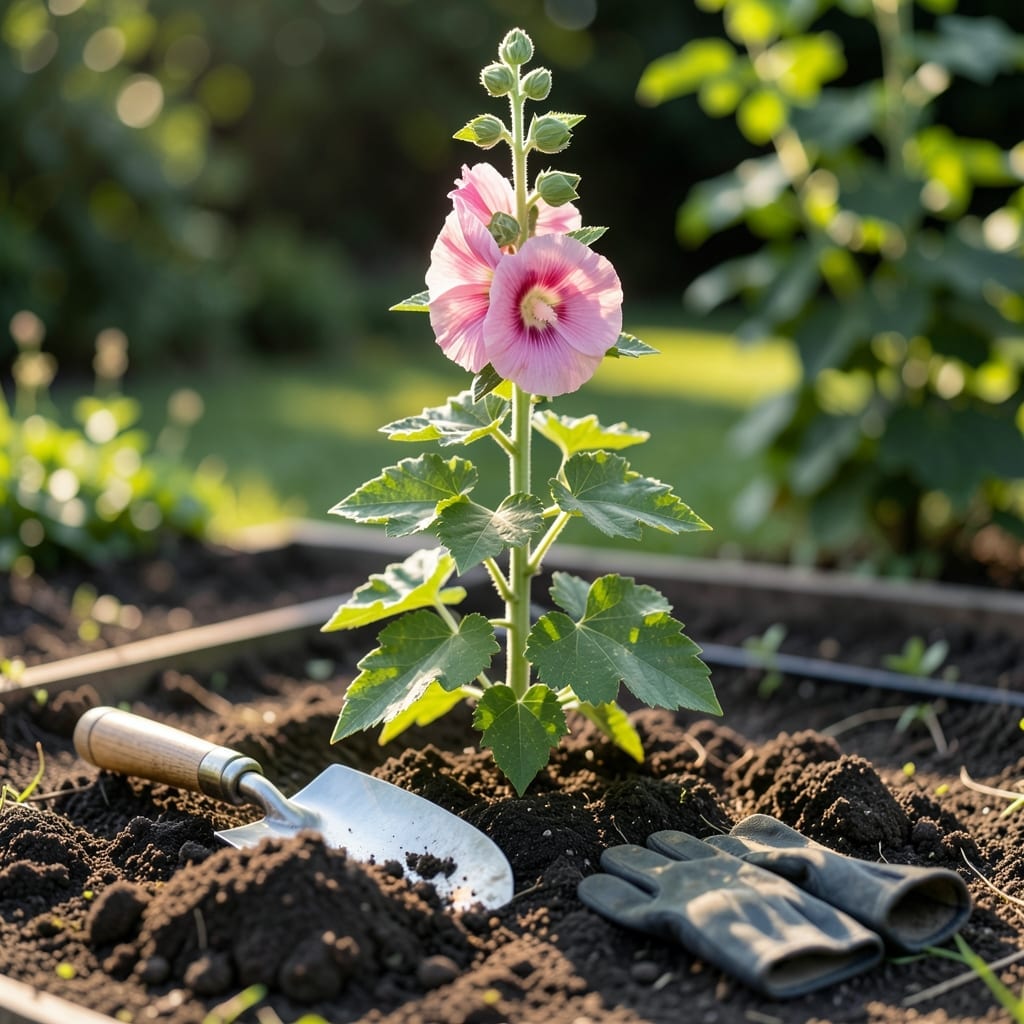
Hollyhocks bring vintage charm and towering color to any garden, but timing is everything to get those stunning summer blooms. Plant too early or too late, and you might miss their full glory.
The 🌸 Hollyhocks thrive best in zones 3-9, with early spring or fall being the optimal windows. This timing ensures strong root development before extreme weather hits.
I’ve learned that getting the timing right means the difference between lackluster plants and a garden showstopper. Whether you’re in a cooler northern climate or a warmer southern region, the planting window matters.
Discover how to align your planting with nature’s rhythm for those dreamy, towering blooms that define summer gardens. Let’s make this your most colorful season yet.
Timing your hollyhock planting perfectly depends on where you live. These towering beauties thrive in USDA zones 3-9, but the ideal window shifts with your local climate patterns and frost dates.
In cooler northern zones like 3-5, I always plant after the last frost when soil temps hit 60°F. Southern gardeners in zones 7-9 can often plant in early fall for spring blooms.
| Zone | Primary Window | Secondary Window | Notes |
|---|---|---|---|
| 3-4 | May-June | September | Avoid late fall planting |
| 5-6 | April-May | September-October | Fall planting needs mulch |
| 7-8 | March-April | October-November | Spring planting preferred |
| 9 | February-March | November | Protect from summer heat |
For zone 5 gardeners, I’ve found that mid-April to early May works best. This gives the seeds time to establish before summer heat arrives, while avoiding late frosts that can damage young plants.
In zone 7, where winters are milder, October planting can be surprisingly effective. The seeds will stratify naturally over winter, leading to earlier blooms the following summer.
Remember that soil temperature is more important than calendar dates. I always check with a soil thermometer – when it consistently reads 60-70°F at a 2-inch depth, conditions are ideal.
For container planting, you can start 4-6 weeks earlier than ground planting. This gives you a head start, especially in shorter growing seasons. Just be sure to harden off seedlings before transplanting.
If you’re in a high-altitude area, even within these zones, adjust your timing. Mountain gardeners often need to wait until late May or even early June for safe planting.
I’ve learned that microclimates matter too. South-facing walls or urban heat islands may allow for earlier planting than your zone suggests. Observe your specific garden conditions.
Finally, if you’re direct sowing, choose a sheltered spot to protect young plants from wind. Hollyhocks grow tall, so give them room to reach their 5-8 foot potential without crowding.
With the right timing, you’ll be rewarded with stunning flower spikes that bring vintage charm to your garden all summer long. ☀️
Choosing between spring vs fall planting for hollyhocks depends on your climate and goals. I’ve found both seasons can work, but each offers distinct advantages for these tall garden beauties. Spring planting often leads to first-year blooms if timed right.
Fall planting, however, allows seeds to stratify naturally over winter, which can improve germination rates. This method works especially well in milder climates where harsh freezes are rare.
In my experience, spring planting works best for gardeners in zones 3-6, where winters are harsh. The last frost date is your cue—plant seeds 2-3 weeks after this date for optimal results.
For zones 7-9, fall planting can be ideal. Sow seeds 6-8 weeks before the first frost to give them time to root before winter. This approach often yields earlier blooms the following year.
If you’re unsure, try both methods in small batches. I’ve seen fall-planted hollyhocks outperform spring plantings in terms of vigor and height, but spring planting gives you the satisfaction of same-season flowers. ☀️
Remember that soil temperature is key—hollyhocks germinate best when soil is 60-70°F. Use a soil thermometer if you’re serious about timing it perfectly.
Whatever you choose, ensure your soil is well-draining and enriched with compost for the best start. 🌱