
Beautiful Plants For Your Interior
Beautiful Plants For Your Interior
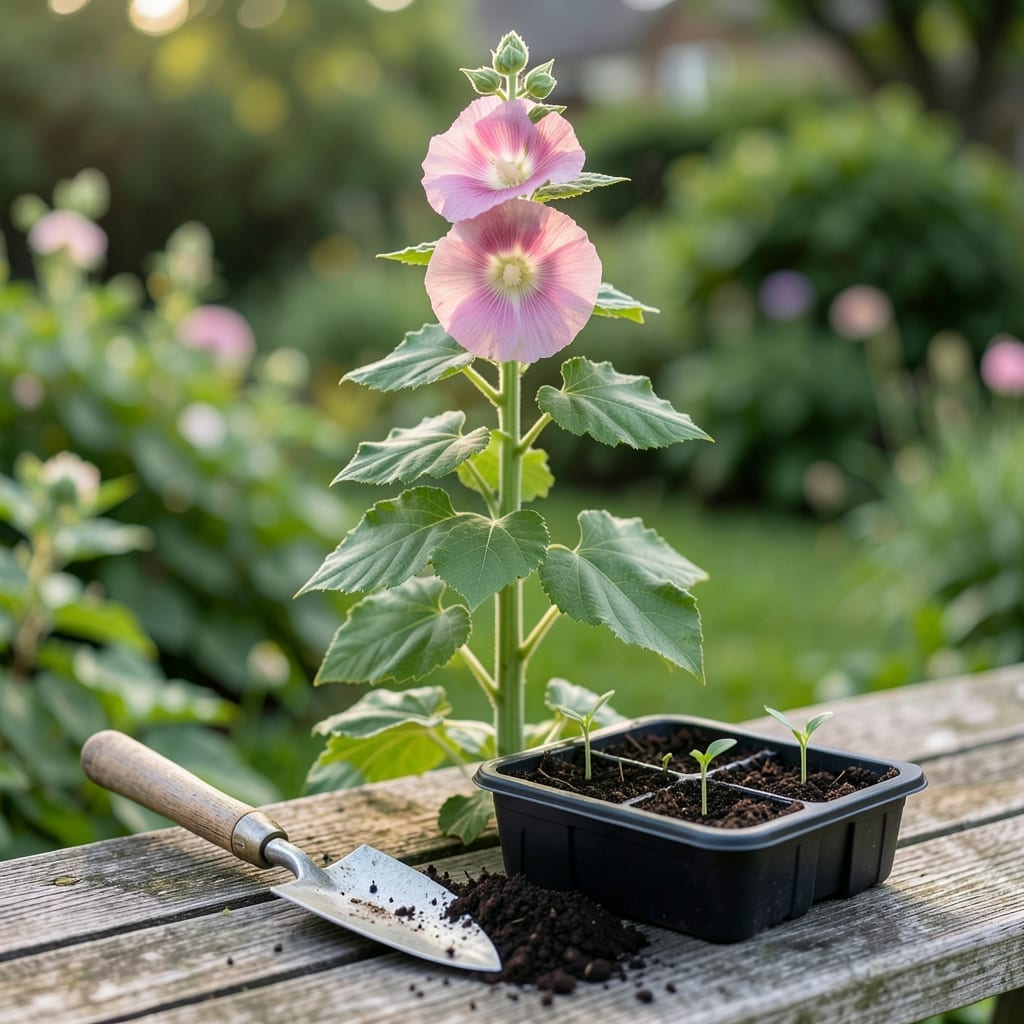
Timing is everything when it comes to planting Hollyhock 🌸 seeds in Colorado. Plant too early, and frost may destroy your seedlings; plant too late, and they may not establish before winter.
Colorado’s unique climate in zones 5b-7a demands precision. You’ll want to hit that sweet spot where the soil is warm enough but the risk of frost has passed.
I’ve learned the hard way that getting this right means the difference between thriving Hollyhocks and a disappointing growing season. The good news? It’s simpler than you think.
Discover the exact windows for spring and fall planting that will give your Hollyhocks the best start in Colorado’s challenging conditions.
Colorado’s USDA zones 5b-7a create unique challenges for hollyhock seeds. The key is timing your planting around the last frost date, which varies across the state.
In most areas, May 15 marks the average last frost, but higher elevations may see frost into early June. This makes mid-April to late May the prime window for spring planting.
| Planting Window | Timing | Notes |
|---|---|---|
| Indoor Start | March 1-15 | 6-8 weeks before last frost |
| Direct Sow Spring | April 15-May 30 | After soil warms to 60°F |
| Fall Planting | August 15-September 1 | For next year’s blooms |
For spring planting, I recommend starting seeds indoors 6-8 weeks before your last frost date. This gives seedlings a head start before transplanting outdoors.
Direct sowing works well too, but wait until soil temperatures reach at least 60°F. Use a soil thermometer to check – don’t guess!
In Colorado’s high altitude areas, the growing season is shorter. Here, April 20-May 10 is often the safest window for direct sowing.
For fall planting, aim for mid-August to early September. This allows seeds to establish roots before winter dormancy, resulting in earlier blooms next year.
Remember that microclimates matter. South-facing slopes or urban areas may allow planting 1-2 weeks earlier than shaded or high-altitude spots.
I’ve found that hollyhocks planted in well-draining soil with full sun exposure perform best. They’ll tolerate some afternoon shade in hotter areas like Denver or Pueblo.
Colorado’s dry climate means you’ll need to monitor moisture closely. Keep soil evenly moist but not waterlogged during germination.
With proper timing, you’ll enjoy tall, vibrant blooms from July through September. 🌸
Planting hollyhock seeds in Colorado requires careful timing and technique. I always start by preparing the soil, ensuring it’s loose and well-draining to give those seeds the best possible start in our unpredictable climate. 🌱
Whether you’re direct sowing or starting indoors, the process is straightforward. The key is knowing when your soil is ready and how to protect those tender seedlings from Colorado’s notorious late frosts. 🌿
For indoor starts, begin 6-8 weeks before Colorado’s last frost date. I use seed trays with good drainage and keep them in a warm spot until germination, which usually takes about 10-14 days. ☀️
When transplanting outdoors, harden off your seedlings first. I move mine outside for a few hours each day, gradually increasing their time in the garden. This prevents shock and helps them adapt to Colorado’s intense sun and wind. ✂️
Remember, hollyhocks love full sun but need protection from strong winds. I plant mine along a south-facing fence where they get at least 6 hours of sunlight daily and some shelter from gusts. 🌻
After planting, keep the soil consistently moist but not soggy. I check mine daily during the first week, then taper off as the plants establish. Colorado’s dry air means you’ll need to water more frequently than in humid climates.