
Beautiful Plants For Your Interior
Beautiful Plants For Your Interior
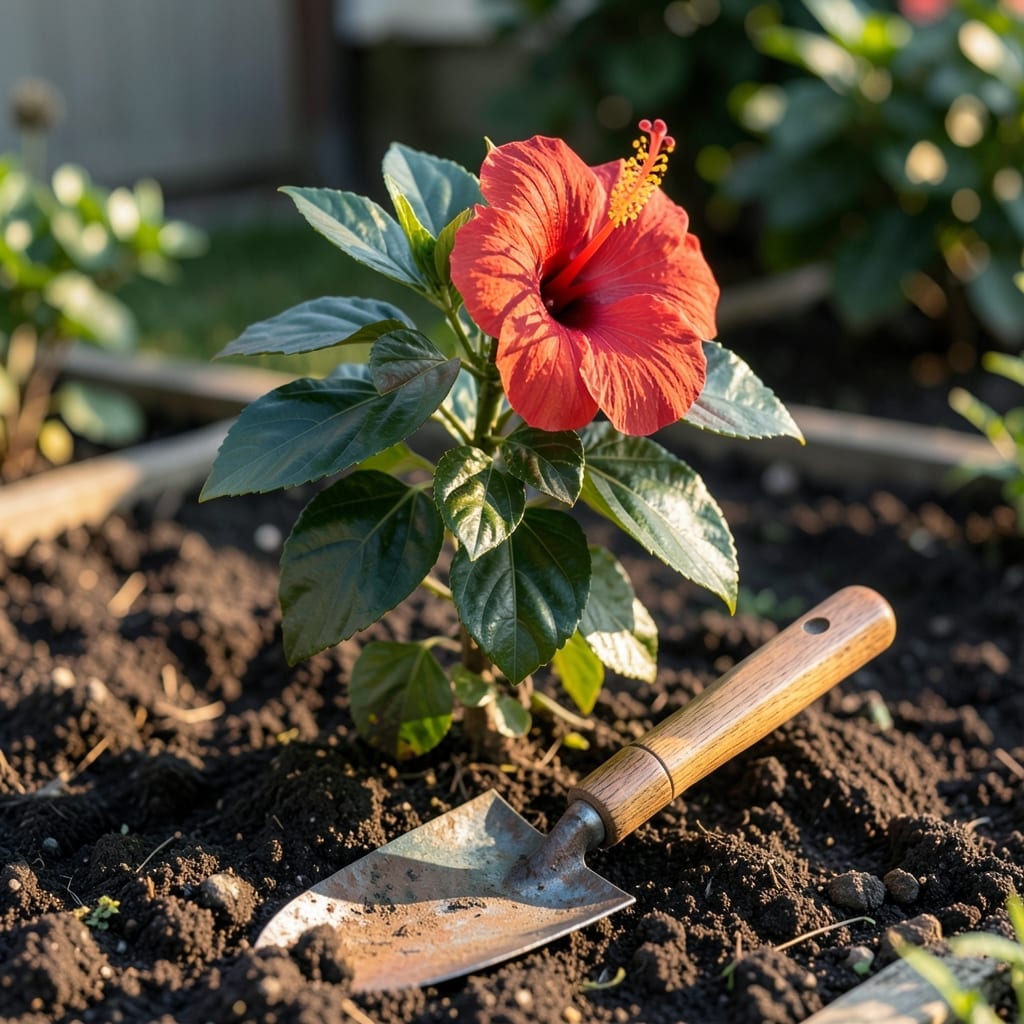
Timing is everything when planting hibiscus in Texas—plant too early or too late, and your vibrant 🌺 blooms may struggle to thrive.
Discover the perfect window to ensure your Hibiscus flourishes in the Lone Star State’s unique climate. With zones 8a-10b, Texas offers a diverse growing environment that demands precision.
I’ll guide you through the ideal months and conditions to set your Hibiscus up for success. Whether you’re in North Texas or along the coast, timing makes all the difference.
Let’s explore how to align your planting schedule with Texas’s seasons for the most stunning results.
Texas offers a diverse climate for growing hibiscus, with USDA zones 8a-10b covering the state. The ideal planting window varies by region, but April through June is generally the sweet spot.
In North Texas, wait until after the last frost (typically mid-March) when soil temps reach 60°F. This region’s colder winters mean planting too early risks frost damage to tender new growth.
| Region | Ideal Months | Key Consideration |
|---|---|---|
| North Texas | April-May | Avoid late frosts |
| Central Texas | March-May | Moderate climate |
| South Texas | February-April | Early heat tolerance |
| Coastal Texas | March-June | Humidity resistant |
Central Texas gardeners can start earlier (late March) due to milder winters. The soil warms faster here, giving roots a head start before summer’s intense heat arrives.
For South Texas and the Coastal areas, planting can begin as early as February. These regions have warmer winters and higher humidity, which hibiscus loves. Just watch for occasional cold snaps.
Tropical hibiscus varieties thrive in zones 9-10 and can be planted year-round in the southernmost areas. However, hardy hibiscus (Hibiscus moscheutos) does better in zones 8-9 with spring planting.
I always recommend checking your local frost dates as a final guide. Even within regions, microclimates can shift ideal planting times by a few weeks. A soil thermometer is a great investment for precision.
Remember that container-grown hibiscus can be planted anytime during the growing season, but spring planting gives the strongest start. This allows roots to establish before summer’s heat or winter’s cold stress the plant.
For the best results, aim to plant on a cloudy day or in the early morning. This reduces transplant shock and helps your hibiscus settle in more comfortably.
No matter your Texas region, proper timing sets the foundation for lush growth and abundant blooms all season long 🌺
Planting hibiscus in Texas isn’t just about picking the right month. Several critical factors determine whether your plant will thrive or struggle in our unique climate. Understanding these can make all the difference.
I’ve found that soil temperature is the most overlooked factor. Hibiscus needs soil that’s at least 60°F to establish strong roots. In Texas, this typically aligns with our spring planting window, but varies by region.
The intense Texas sun can be both a blessing and a challenge. While hibiscus loves full sun, afternoon shade in peak summer can prevent heat stress. I recommend planting in spots with morning sun and afternoon protection.
Humidity plays a big role, especially for tropical hibiscus. Coastal areas with higher humidity are ideal, but inland gardeners can compensate with regular misting or by planting near water features to boost moisture levels.
Watering is crucial, particularly during Texas’s hot summers. Hibiscus needs deep watering 2-3 times weekly when temperatures soar. Always water at the base to keep foliage dry and prevent disease.
Finally, soil preparation can’t be ignored. Amend your soil with organic matter to improve drainage and fertility. A pH between 6.0-7.0 is ideal. Testing your soil before planting gives you a clear roadmap for any needed adjustments 🌺