
Beautiful Plants For Your Interior
Beautiful Plants For Your Interior
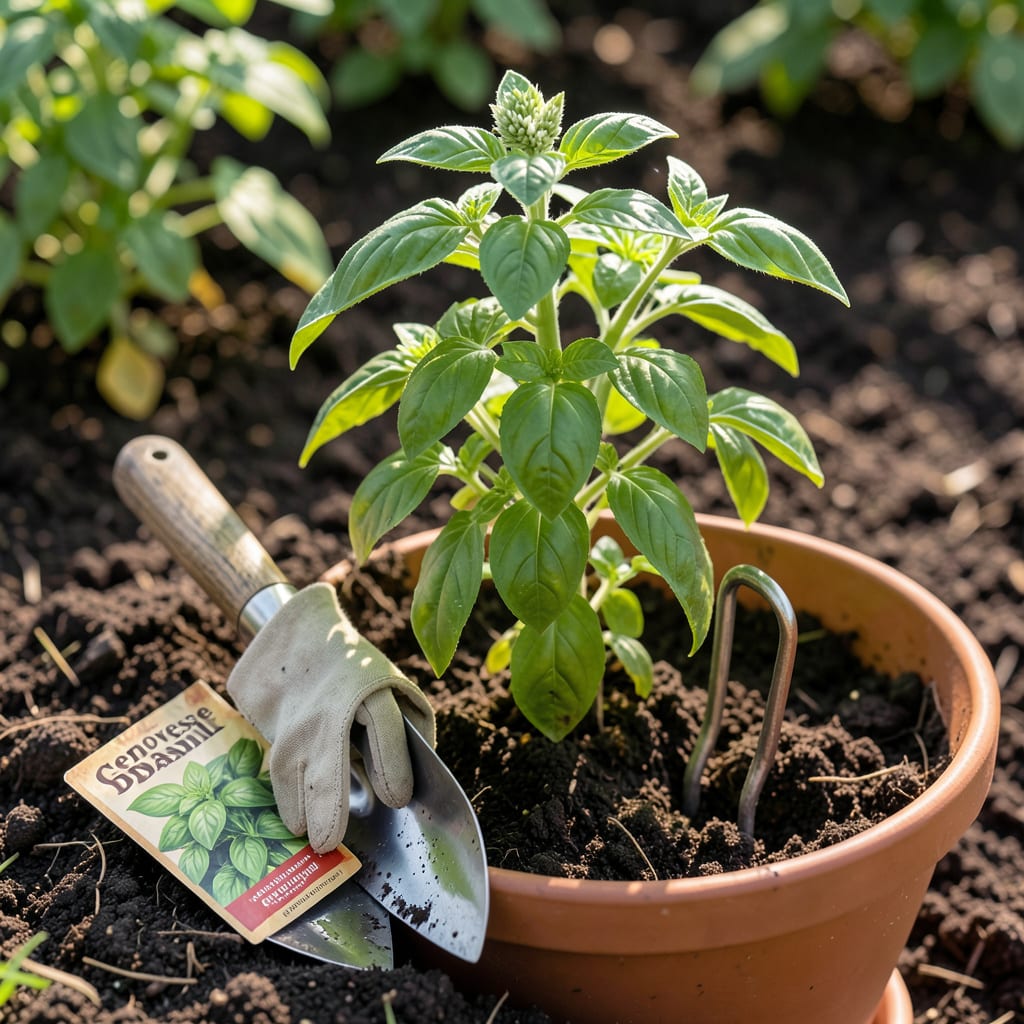
Texas heat doesn’t have to mean the end of your herb garden dreams. In fact, with the right timing, you can grow thriving basil, rosemary, and cilantro—even when temperatures soar. The trick? Knowing exactly when to plant for your specific region.
Whether you’re in the humid Gulf Coast or the arid Hill Country, I’ll break down the best months to get those 🌱 herbs in the ground. No more guessing games—just a foolproof plan tailored to Texas’s unique climate zones. Let’s get started.
Timing is everything when planting herbs in Texas. Our state’s diverse climate zones—from the Panhandle’s cold winters to the Gulf Coast’s humidity—mean what works in Dallas won’t fly in Houston. I’ll break down the perfect planting windows for your area.
First, know your USDA Hardiness Zone. North Texas sits in Zones 7-8, Central Texas in Zone 8-9, while South Texas enjoys Zone 9-10. These zones dictate your frost dates and growing season length—critical for herb success.
| Herb | North Texas | Central Texas | South Texas |
|---|---|---|---|
| Basil | April-June | March-July | Feb-Sept |
| Cilantro | Sept-Oct, Feb | Oct, Feb-March | Nov, Jan-March |
| Rosemary | March-April | Year-round | Year-round |
| Oregano | April-May | March-June | Feb-May |
| Thyme | March-April | Feb-March | Year-round |
*Plant in well-draining soil with 6+ hours of sun daily.
For North Texas gardeners, your last frost date (around April 1) is your green light. Start warm-season herbs like basil and oregano after this date. Cool-season herbs (cilantro, dill) thrive in fall or early spring before summer heat arrives.
In Central Texas, you’ve got more flexibility. I recommend planting rosemary and thyme in late winter—they’ll establish roots before summer. For basil and mint, wait until soil temps hit 60°F, usually by mid-March in Austin or San Antonio.
South Texas gardeners can plant nearly year-round, but summer’s intense heat demands strategy. Start heat-lovers like lemongrass in early spring. Save cool-season herbs for fall planting—they’ll bolt quickly in summer. Morning sun with afternoon shade is ideal here.
Watch your soil temperature—it’s more reliable than air temps. Most herbs need 50-70°F soil to germinate. Use a soil thermometer (they’re cheap!) to check. In West Texas, your arid conditions mean extra mulch and drip irrigation are must-haves.
Remember: Texas microclimates can vary wildly. If you’re in Houston’s humidity, watch for fungal diseases. El Paso’s dry heat? Focus on drought-tolerant varieties. When in doubt, start seeds indoors 4-6 weeks before your last frost date for a head start.
Pro tip: Succession planting works wonders in Texas. Plant small batches of basil every 2 weeks from spring to early summer for continuous harvests. For cilantro, sow new seeds every 3 weeks in fall—it bolts fast in our climate! 🌿
When Texas temperatures soar past 90°F, most herbs wilt—but not these tough varieties. I’ve tested dozens of herbs in my Central Texas garden, and these five consistently beat the heat while delivering incredible flavor. The secret? They’re native to Mediterranean climates or tropical regions.
These drought-resistant champions don’t just survive Texas summers—they thrive. You’ll notice they all share silver foliage or tiny leaves, nature’s way of reducing water loss. Let’s dig into my top picks for heat-proof herb gardens, whether you’re in dry West Texas or humid Houston.
*All these herbs need well-draining soil and minimal fertilizer.
Rosemary deserves special mention—it’s my #1 recommendation for Texas gardeners. This woody perennial laughs at drought and actually prefers poor soil. I’ve seen rosemary bushes thrive for 10+ years with almost no care. For best results, plant in full sun and water deeply but infrequently.
Mexican tarragon is my secret weapon for Gulf Coast gardens. Unlike French tarragon (which melts in our humidity), this variety stays lush all summer. It grows 3-4 feet tall with bright yellow flowers that attract pollinators. Harvest leaves regularly to encourage bushier growth.
For container gardeners, thyme is your best bet. It stays compact, requires almost no water, and you can tuck it between other plants. I grow mine in terracotta pots on my patio—they get baked by sun but keep producing. Try creeping thyme as a fragrant, heat-tolerant ground cover.
Remember: even heat-loving herbs need protection during 100°F+ stretches. I use 30% shade cloth on my raised beds from 2-5 PM in July/August. This small step prevents leaf scorch while maintaining productivity. And always mulch heavily—I use cedar chips to conserve moisture and deter pests.
Pro tip: Harvest in morning for best flavor—heat causes herbs to produce stronger oils. For lemongrass, cut stalks at ground level and they’ll regrow quickly. With these varieties, you’ll have fresh herbs all summer while your neighbors’ gardens wilt! 🌿
Even experienced Texas gardeners can mess up herb planting times—our unpredictable weather makes timing tricky. I’ve seen basil killed by late frosts and cilantro bolt overnight in summer heat. Let’s fix these common mistakes before they wreck your herb garden.
The biggest error? Ignoring microclimates. Your Dallas garden behaves differently than one in Houston—even neighborhoods vary. A south-facing wall can be 10°F hotter than your front yard. Always observe your specific conditions before planting.
Another critical mistake: Skipping soil prep. Texas soils range from clay in Dallas to sandy in West Texas. Most herbs need well-draining soil—amend heavy clay with compost and perlite. For sandy soil, add organic matter to retain moisture. I test drainage by digging a 1-foot hole, filling with water, and timing how long it takes to drain.
Overwatering kills more Texas herbs than drought. Our humid regions (like Houston) need less water than you think—herbs hate soggy roots. Use the finger test: stick your finger 1 inch deep. If it’s moist, wait to water. In arid West Texas, drip irrigation works better than sprinklers to prevent evaporation.
Don’t forget about container herbs! Potted plants dry out twice as fast in Texas heat. I lost three basil plants before learning to move pots to shade by 2 PM. Use light-colored containers (they reflect heat) and saucer trays to maintain moisture. For rosemary and thyme, terracotta pots work well—they wick away excess moisture.
Final pro tip: Watch the weather, not just the calendar. Texas springs bring unpredictable cold snaps. I keep frost cloth handy until mid-April in North Texas. And in summer, when temps hit 100°F+, even heat-loving herbs appreciate afternoon shade. Your herbs will tell you what they need—wilting by noon means they’re struggling! 🌡️
Wait until after your last frost date (around April 1) when soil reaches 60°F. Planting too early risks cold damage. For continuous harvest, sow seeds every 2 weeks through early summer.
No, cilantro bolts quickly in heat. Plant in fall (Sept-Oct) or early spring (Feb) instead. Try slow-bolt varieties like ‘Santo’ for better results. In South Texas, November plantings work best.
Use 30% shade cloth from 2-5 PM during peak summer. Mulch with cedar chips to retain moisture. Water deeply in early morning—avoid overhead sprinkling. Container herbs may need daily watering.
Rosemary, thyme, and oregano are winter-hardy in most regions. In North Texas, cover with frost cloth during cold snaps. South Texas gardeners can grow these year-round. Always check your USDA zone for specifics.
Choose disease-resistant varieties like Mexican tarragon. Space plants for air circulation and water at soil level. Morning sun with afternoon shade helps prevent fungal issues. Consider raised beds for better drainage.
