
Beautiful Plants For Your Interior
Beautiful Plants For Your Interior
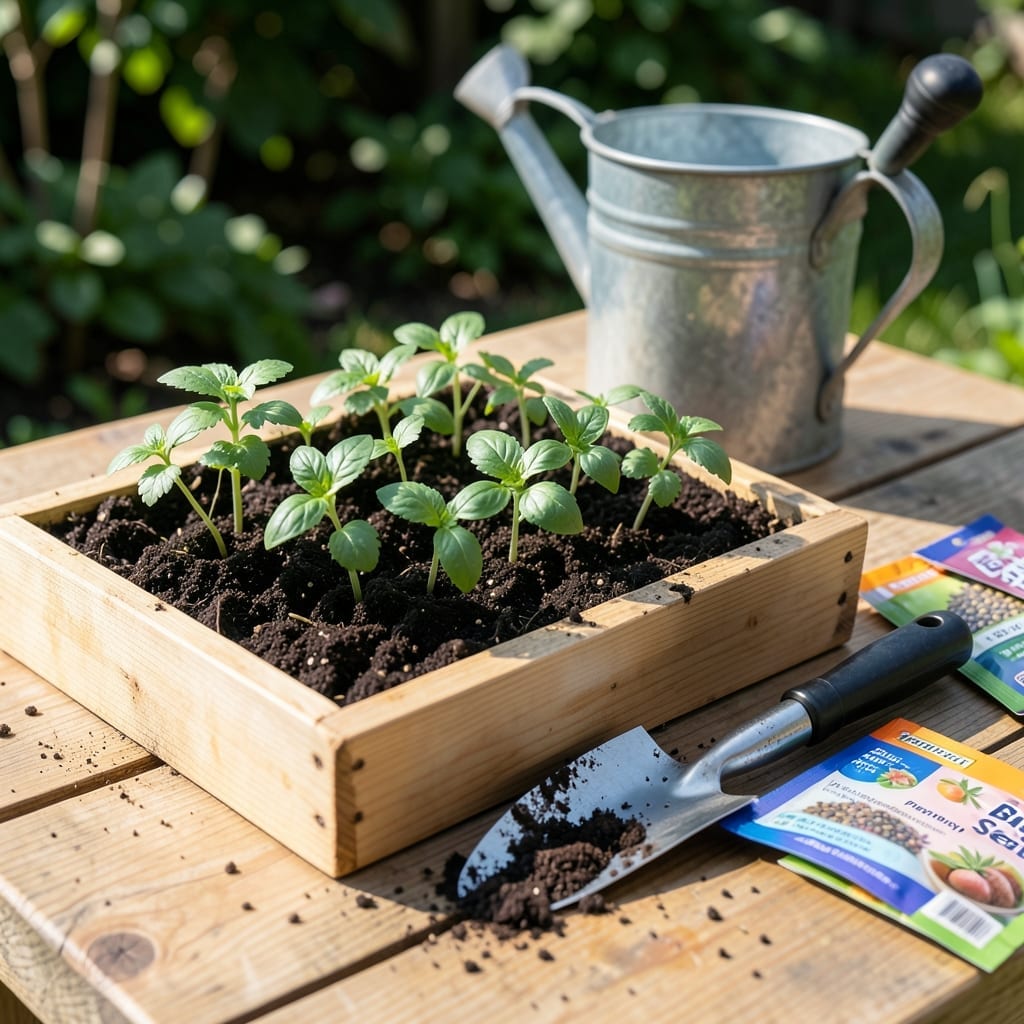
Timing is everything when planting 🌿 Herbs in Tennessee’s unpredictable climate. Plant too early or late, and your basil, cilantro, or rosemary might struggle to thrive.
With zones ranging from 6b-7a, Tennessee offers a unique growing window. Knowing when to start ensures your herbs establish strong roots before summer heat or fall frosts hit.
I’ll walk you through the best seasonal moments to plant, tailored specifically for Tennessee gardeners. Whether you’re a beginner or seasoned pro, these tips will set you up for success.
Discover how to align your planting schedule with local weather patterns and get the most flavorful harvests possible.
Tennessee’s USDA zones 6-8 create varied planting windows for herbs. I’ve found that last frost dates range from April 1-15 in zone 6 to March 15-30 in zone 8, which is crucial for timing. Soil temperature is another key factor—most herbs need 50-70°F to germinate properly. 🌱
For annual herbs like basil and cilantro, I start seeds indoors 6-8 weeks before the last frost. This gives them a head start before transplanting. Perennial herbs such as rosemary and thyme can go in the ground 2-3 weeks after the last frost when soil has warmed. ☀️
I always recommend checking your local soil temperature with a thermometer. Basil and dill prefer 60-70°F soil, while parsley and chives tolerate cooler 50-60°F conditions. If you’re in East Tennessee (zone 6), wait until mid-April for most herbs. 🌿
For fall planting, I’ve had success with cilantro and dill seeded 6-8 weeks before the first frost. This works well in zone 7 where first frost hits around November 15. Perennial herbs like oregano can be planted in early September to establish roots before winter. ✂️
In Middle Tennessee (zone 7), I start basil indoors in late February for transplanting after April 10. Mint can go in the ground 2 weeks earlier since it’s hardier. Always harden off seedlings for 7-10 days before transplanting to prevent shock.
West Tennessee gardeners in zone 8 can plant thyme and rosemary as early as March 15. These Mediterranean herbs thrive in the region’s warmer, drier conditions. I’ve noticed they establish faster with drip irrigation during the hot summers.
For container gardening, I use the same timing but monitor soil moisture more closely. Potted herbs dry out faster, especially basil and parsley. A south-facing window or balcony works wonders for sun-loving herbs like oregano and marjoram.
Remember, microclimates matter in Tennessee. Urban areas like Nashville may have warmer pockets where you can plant 1-2 weeks earlier. I always suggest using a soil thermometer and keeping a garden journal to track your local conditions. 🌱
Finally, don’t forget about succession planting. For basil and cilantro, I sow new seeds every 3-4 weeks until late summer for continuous harvests. This technique works particularly well in Tennessee’s long growing season.
Tennessee’s climate is perfect for thyme, oregano, and mint—these herbs thrive in our humid summers and mild winters. I’ve had the best luck with Mediterranean varieties that love the heat. 🌿
For basil and cilantro, I start seeds indoors in late winter (around February for zone 7) and transplant after the last frost. These tender annuals need warm soil to flourish.
Oregano and marjoram are my go-to perennials for Tennessee gardens. I plant them 2-3 weeks after frost when soil is consistently warm. They’ll come back year after year with minimal care. ☀️
For container gardening, dill and chives do exceptionally well. I use 12-inch pots with well-draining soil and place them in full sun. These herbs grow quickly and can be harvested in 6-8 weeks.
If you’re in West Tennessee (zone 8), you can start sage and lavender as early as March 1. These drought-tolerant herbs love the hot, dry conditions and require less watering once established.
I always recommend succession planting cilantro every 3 weeks until late summer. This ensures a continuous supply since it bolts quickly in Tennessee’s heat. Keep the soil moist but not soggy for best results. 🌱