
Beautiful Plants For Your Interior
Beautiful Plants For Your Interior
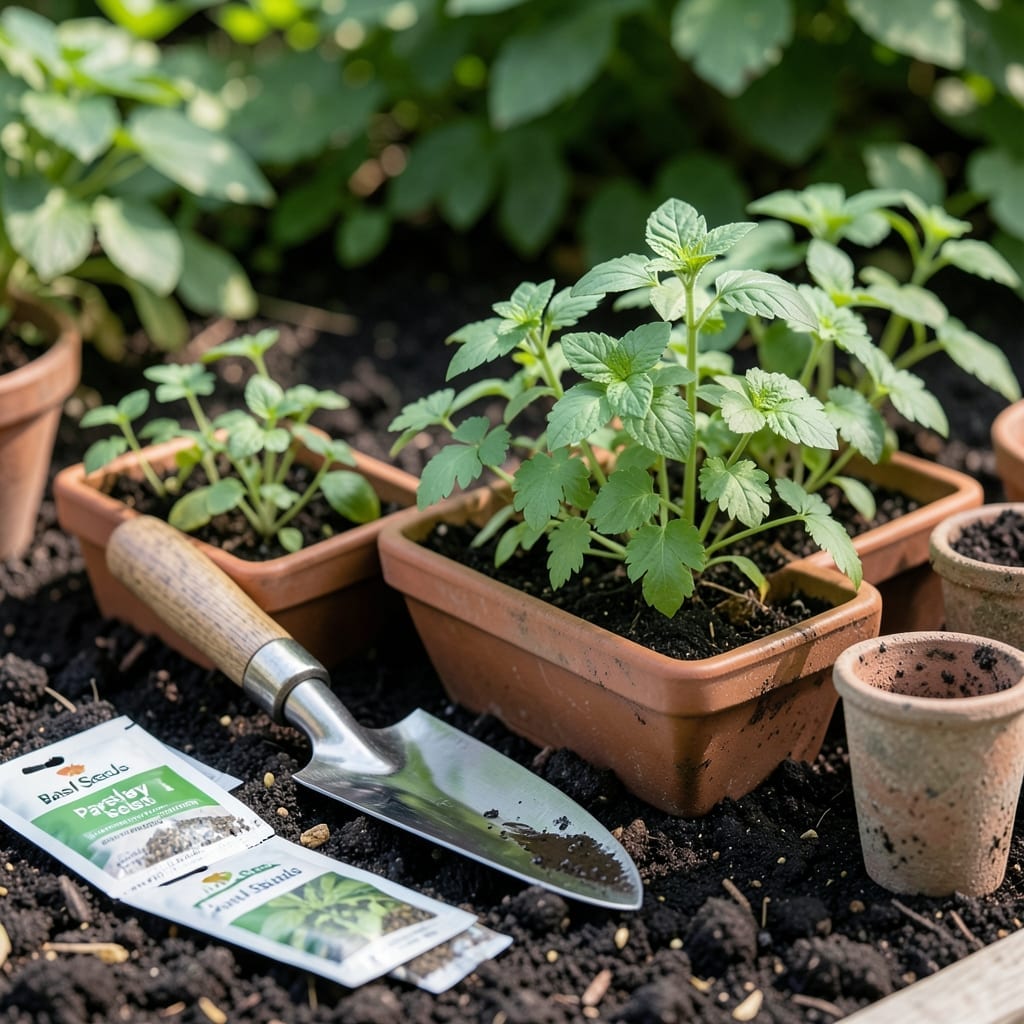
Timing is everything when planting 🌿 Herbs in Oklahoma’s unpredictable climate. Whether you’re in the hotter southern zones or the cooler northern regions, knowing the right planting windows ensures a thriving garden year-round.
I’ve learned that getting this right means the difference between a bountiful harvest and a frustrating flop. The good news? Oklahoma’s USDA zones 6b-7a give you two prime planting windows to work with.
Spring and fall each offer unique advantages for different herb varieties. The key is understanding which herbs thrive in each season’s conditions, and I’m about to break it all down for you.
Let’s discover how to make the most of Oklahoma’s growing seasons and get your herb garden off to the perfect start.
Oklahoma’s USDA zones 6b-8a create unique planting windows for herbs. I’ve found that timing varies significantly between the cooler north and hotter south. Understanding your specific zone is the first step to success.
In zone 6b (northern Oklahoma), you’ll want to wait until after the last frost (typically mid-April) for warm-season herbs. The milder climate here allows for a slightly earlier start compared to other regions.
| Herb Type | Zone 6b | Zone 7a | Zone 8a |
|---|---|---|---|
| Basil | Mid-May | Early May | Late April |
| Cilantro | Late April | Early April | Late March |
| Rosemary | Late April | Early April | Late March |
| Thyme | Early May | Mid-April | Early April |
For zone 7a (central Oklahoma), the planting season starts about two weeks earlier. I recommend beginning warm-season herbs like basil and oregano in early May to avoid late frost damage.
In zone 8a (southern Oklahoma), you can push the envelope even further. I’ve had success planting heat-loving herbs like rosemary and thyme as early as late March. The longer growing season here is a real advantage.
Don’t forget about fall planting opportunities. For all zones, I start cool-season herbs like parsley and chives about 6-8 weeks before the first frost date. This gives them time to establish before winter.
In my experience, cilantro and dill do particularly well when planted in late summer for a fall harvest. They thrive in the milder temperatures and can often be harvested until the first hard frost.
The soil temperature is just as important as air temperature. I always check that the soil has warmed to at least 60°F before planting warm-season herbs. A simple soil thermometer can be a gardener’s best friend.
Remember that microclimates can affect these timelines. Areas near buildings or paved surfaces might warm up faster in spring. I’ve found that raised beds also warm up more quickly than in-ground planting areas.
For the most accurate timing, I recommend keeping a garden journal to track your local conditions year to year. This helps me fine-tune my planting schedule based on my specific location’s patterns.
With these zone-specific guidelines, you’ll be well on your way to a thriving herb garden that takes full advantage of Oklahoma’s growing seasons 🌿
Oklahoma’s spring season is ideal for warm-weather herbs like basil, dill, and cilantro. These thrive in the warming soil and longer daylight hours, giving you a head start on a flavorful harvest.
For cool-season herbs such as parsley, chives, and mint, the fall planting window is your best bet. Cooler temperatures prevent bolting and extend their growing period.
I always remind gardeners that basil and dill planted in spring will grow quickly but may bolt in summer heat. Succession planting every 2-3 weeks keeps a steady supply.
In fall, parsley and chives benefit from cooler nights, which enhance their flavor. Plant them 4-6 weeks before the first frost for best results.
Don’t forget rosemary and thyme—these perennials can be planted in either season but prefer spring to establish strong roots before winter.
For the best outcomes, test your soil and amend with compost before planting. Oklahoma’s clay soil often needs improved drainage for herbs to thrive. ☀️