
Beautiful Plants For Your Interior
Beautiful Plants For Your Interior
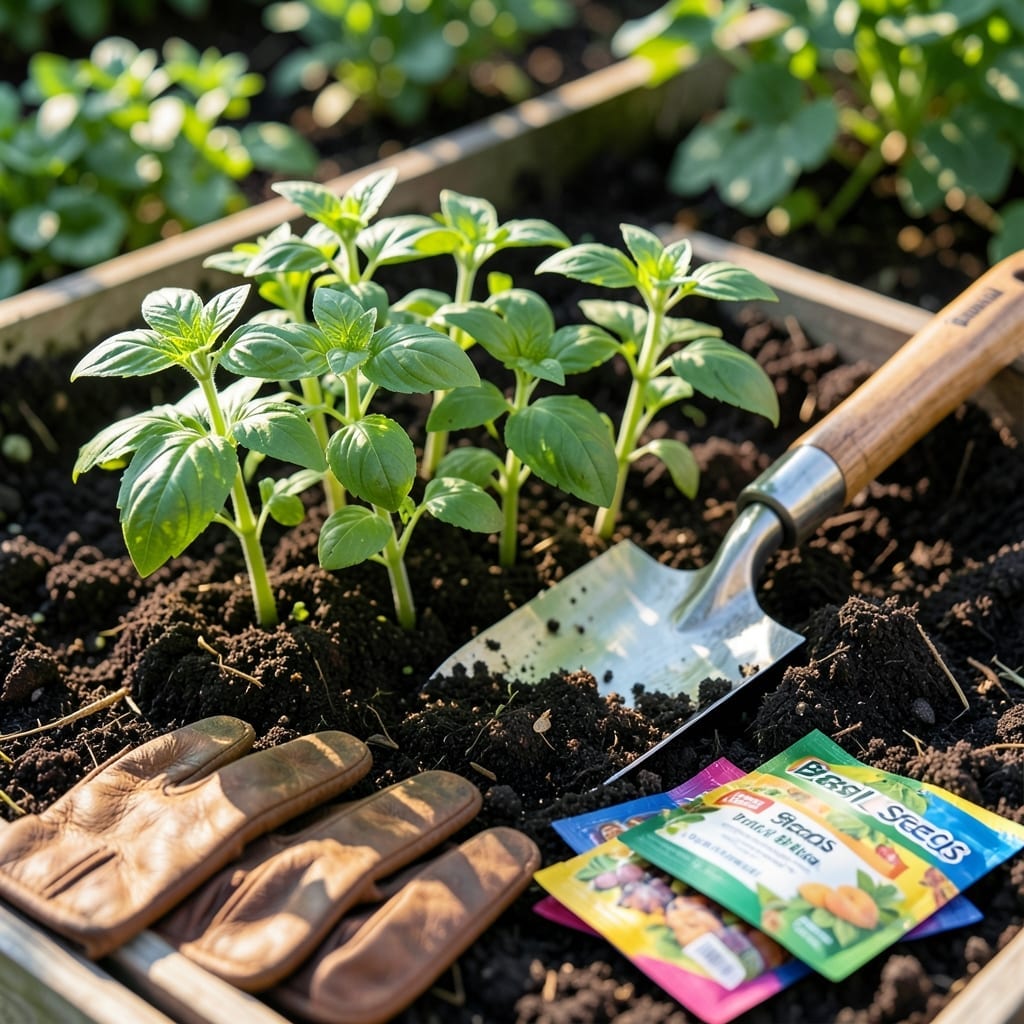
Timing is everything when planting 🌿Herbs in Missouri’s unpredictable climate. Get it right, and you’ll enjoy a season of flavorful, thriving plants.
Get it wrong, and you risk stunted growth or frost damage. I’ve learned the hard way that Missouri’s zones 5b-7a demand precision.
Whether you’re growing basil, cilantro, or rosemary, knowing when to start can make or break your harvest. Let’s cut through the guesswork.
I’ll show you the best windows to plant, so you can maximize your yield and avoid common pitfalls. Let’s get started.
Missouri spans USDA zones 5b to 7a, meaning your planting window varies slightly by region. In zone 5b, the last frost typically hits around April 15, while zone 7a may see it earlier. This range is key for timing your herb garden. 🌱
Herbs like basil and cilantro are frost-sensitive and should be planted after the last frost. Others, like thyme and oregano, are hardier and can often handle a light frost. Knowing your zone helps avoid costly mistakes. 🌿
| Herb | Zone 5b | Zone 6 | Zone 7a |
|---|---|---|---|
| Basil | Mid-May | Early May | Late April |
| Cilantro | Late April | Early April | Late March |
| Rosemary | Mid-May | Early May | Late April |
| Thyme | Early May | Mid-April | Early April |
*Adjust based on local microclimates and soil temperature.
For zone 5b, I recommend waiting until mid-May for tender herbs like basil and rosemary. These plants thrive in warmer soil, ideally 60°F or above. Planting too early can stunt growth or kill seedlings. ✂️
In zone 6, you can start cilantro and parsley as early as April. These herbs tolerate cooler temperatures better than others. However, always monitor the 10-day forecast for late frosts. ☀️
If you’re in zone 7a, you have more flexibility. Herbs like thyme and oregano can be planted in late March or early April. These hardy perennials often survive mild winters with protection. 🌡️
Soil temperature is just as important as air temperature. Use a soil thermometer to check that it’s consistently above 50°F for most herbs. Basil and rosemary prefer even warmer soil, closer to 60-70°F. 💧
Microclimates can significantly impact your planting schedule. South-facing walls, urban heat islands, and sheltered spots may allow for earlier planting. Conversely, low-lying areas or northern exposures might require waiting an extra week or two. 🌻
For a continuous harvest, consider succession planting. Sow fast-growing herbs like cilantro every 2-3 weeks to ensure a steady supply. This technique works well in Missouri’s long growing season. 🌷
Don’t forget to harden off seedlings before transplanting. Gradually expose them to outdoor conditions over 7-10 days. This step is crucial for herbs started indoors to prevent transplant shock. 🪴
In Missouri, some herbs thrive when sown directly outdoors, while others need a head start indoors. I’ve found that dill and cilantro grow best when planted outside after the last frost.
For herbs like oregano and sage, I recommend starting them indoors 6-8 weeks before the last frost to ensure strong seedlings for transplanting.
I always harden off seedlings before transplanting. This means gradually exposing them to outdoor conditions over 7-10 days to prevent shock.
For direct sowing, I wait until the soil temperature reaches at least 60°F. Missouri’s spring can be unpredictable, so I use a soil thermometer to be sure.
If you’re short on indoor space, prioritize starting basil indoors—it’s sensitive to cold and grows slowly from seed. Other herbs like chives and mint can go straight into the garden.
Remember, transplanting herbs should happen on a cloudy day or in the evening to reduce stress. Water them well before and after moving them to their new home. 🌱