
Beautiful Plants For Your Interior
Beautiful Plants For Your Interior
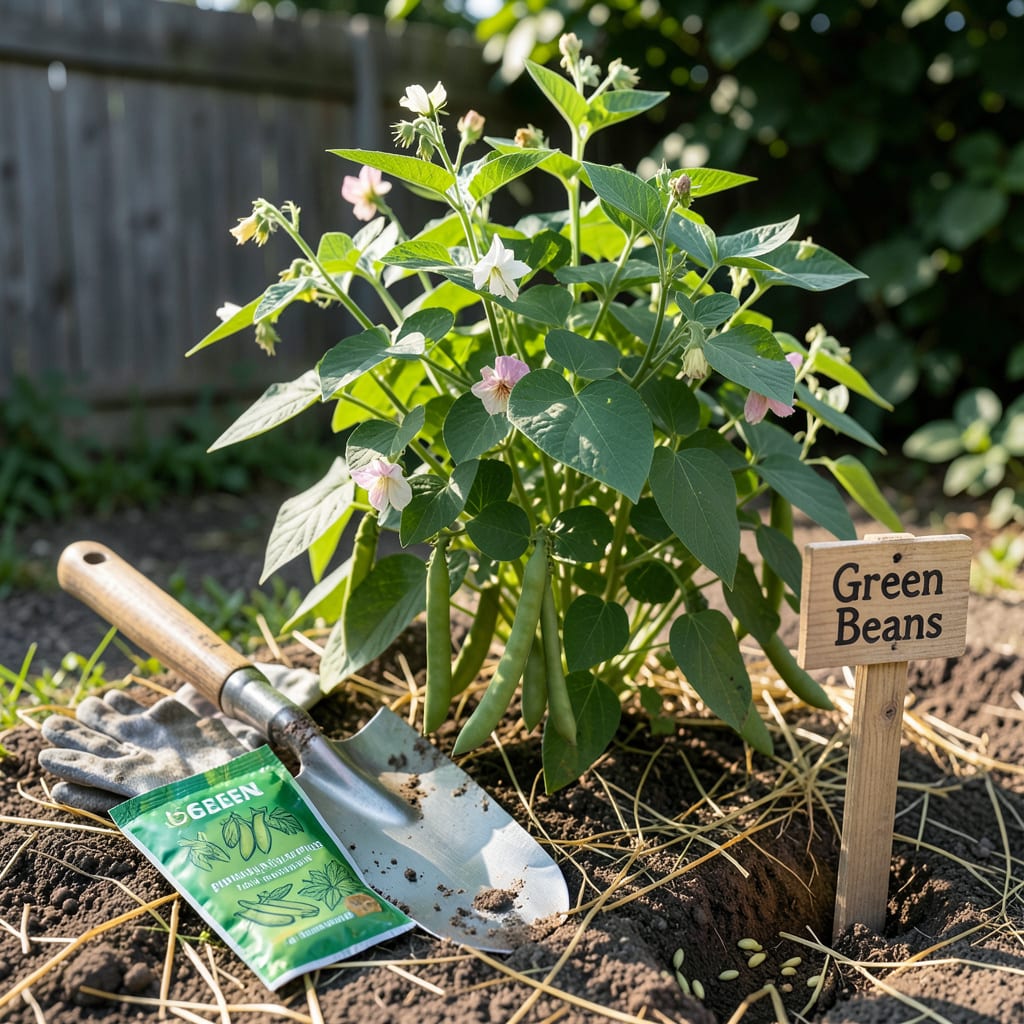
Nothing beats the satisfaction of plucking crisp, homegrown green beans straight from the vine—but timing your planting in Virginia can make or break your harvest. Plant too early, and a late frost might ruin your crop; wait too long, and you’ll miss the prime growing window.
After years of testing what works (and what doesn’t) in zones 7a-8a, I’ve nailed down the exact frost-free windows for both bush and pole varieties. Whether you’re in the Piedmont or the mountains, I’ll show you how to sync your planting with Virginia’s climate for heavy pods all season.
If you’re growing green beans in Virginia, timing is your secret weapon. Our state’s diverse climate—from the coastal plains to the Blue Ridge Mountains—means planting dates shift dramatically. Bush beans and pole beans both thrive here, but they demand warm soil (60°F+) and frost-free conditions.
Virginia spans USDA Zones 6–8, so your planting window depends on where you garden. Coastal areas warm up faster than the Piedmont, while mountain regions stay cooler longer. I’ll break down the exact timing for each zone, plus how to squeeze in a fall harvest before frost.
In the coastal region, you can start as early as April 1—but watch for late frosts. I always cover my bush beans with row fabric if nights dip below 40°F. For pole beans, wait until mid-April when soils are warmer and trellises won’t topple in spring winds.
The Piedmont’s clay soil warms slower, so I hold off until April 15 for bush beans. Pole beans go in May 1 to align with their longer 60–70 day maturity. Amend heavy soil with compost to improve drainage—green beans hate soggy roots!
Mountain gardeners face the shortest season. Start bush beans indoors in biodegradable pots by April 15 to transplant after May 1. For fall crops, plant by July 10 to beat the October 10 frost. I love ‘Provider’ bush beans here—they mature in just 50 days.
For succession planting, sow new seeds every 2 weeks until mid-July. This staggers harvests and avoids a bean glut. In humid summers, leave extra space between plants (4–6″ for bush, 6–8″ for pole) to reduce foliar diseases like rust.
Don’t forget fall planting! Coastal gardeners can plant until August 1, while mountain folks must finish by July 10. Choose fast-maturing varieties like ‘Contender’ (50 days) or ‘Blue Lake Bush’ (55 days). Mulch heavily to retain moisture during late-summer droughts.
Monitor soil moisture closely after planting—green beans need 1–1.5 inches of water weekly. Use drip irrigation to keep foliage dry and prevent powdery mildew. In Zone 8, you might sneak in a third planting in late August for a November harvest.
Finally, test your soil pH—green beans prefer 6.0–6.8. Virginia’s native soil often leans acidic, so add lime if needed. A balanced 10-10-10 fertilizer at planting gives them a boost, but go easy—too much nitrogen = leafy plants with few pods.
Even experienced gardeners can sabotage their green bean harvest with simple oversights. In Virginia’s finicky climate, small errors like planting too early or ignoring soil prep can mean the difference between a bountiful crop and a disappointing yield.
I’ve seen firsthand how these five common mistakes derail bean patches across the state. From the coastal plains to the mountain valleys, avoiding these pitfalls will keep your plants thriving and your harvest baskets full.
Planting in cold soil (below 60°F) is the #1 reason for poor germination in Virginia. Our spring nights stay chilly longer than you’d think—always check soil temp with a thermometer!
Clay-heavy Piedmont soils drain poorly, drowning young roots. Amend with compost or plant in raised beds to prevent rot.
First, never plant before soil warms to 60°F. Virginia’s last frost dates are misleading—air temps might be safe, but cold soil stalls germination. I use a soil thermometer at 2-inch depth to confirm warmth before sowing.
Second, overcrowding seeds invites disease. Bush beans need 4–6 inches between plants, while pole beans require 6–8 inches. In humid summers, tight spacing traps moisture, fueling powdery mildew and rust. Thin seedlings ruthlessly for airflow.
Third, ignoring soil pH (ideal: 6.0–6.8) limits nutrient uptake. Virginia’s native soil often tests acidic. A simple pH test kit costs pennies, and pelletized lime fixes imbalances fast. Without this, you’ll grow lush leaves but few pods.
Fourth, skipping trellises for pole beans wastes space and yields. In windy Piedmont zones, flimsy supports topple vines. I use 8-foot cattle panels or bamboo teepees—they’re sturdy and reusable. Bush beans don’t need support, but pole varieties triple yield with proper climbing structures.
Finally, inconsistent watering causes blossom drop. Green beans need 1–1.5 inches weekly, but drip irrigation beats overhead watering. Wet foliage spreads disease, and Virginia’s summer humidity amplifies the risk. Water deeply at soil level in early morning.
Bonus: Don’t fertilize heavily at planting. Too much nitrogen produces leafy plants with no pods. I side-dress with compost tea mid-season instead. For fall crops, avoid high-nitrogen mixes—they delay maturity before frost.
By dodging these mistakes, you’ll harvest crisp, heavy pods from June through October. Next, let’s explore the best disease-resistant varieties for Virginia’s humid summers—because even perfect timing won’t save susceptible plants! 🌱
Virginia’s hot, humid summers can turn a green bean patch into a disease magnet—but the right varieties thrive despite the challenges. After testing dozens of cultivars, I’ve narrowed it down to the top performers that resist rust, powdery mildew, and mosaic virus while delivering heavy yields.
Whether you prefer bush beans for quick harvests or pole beans for vertical space savings, these picks handle Virginia’s climate like champs. Look for days-to-maturity under 60 days to beat early frosts in mountain regions, or opt for heat-tolerant varieties if you’re in the Piedmont’s clay-heavy zones.
For coastal gardeners, ‘Contender’ is my go-to—it laughs at salt spray and high humidity. In the Piedmont, ‘Blue Lake Bush’ resists soilborne diseases common in clay. Mountain growers should prioritize early maturers like ‘Provider’, which handles cool nights better than most.
Pole beans like ‘Rattlesnake’ shine in hot, dry summers—their vines stay productive even when bush beans wilt. For container gardening, ‘Mascotte’ (55 days) is a compact bush variety that thrives in pots on urban balconies or patios.
Always rotate crops yearly to prevent disease buildup. If you grew beans in a spot last year, plant tomatoes or corn there this season. For organic growers, ‘Dragon Tongue’ (60 days) offers stunning yellow-and-purple pods with built-in pest resistance.
Pair these varieties with drip irrigation and morning watering to minimize fungal issues. In Zone 8, you can even try winter sowing ‘Provider’ in late February under row covers for a head start. Just remember: no variety is frost-proof—always protect young plants if temps dip below 32°F! 🌱
It’s risky! Green beans need soil temps above 60°F to germinate well. Even if air temps are warm, cold soil can rot seeds. Coastal areas might sneak in an early April 1 planting, but Piedmont and mountain gardeners should wait until mid-April to May.
Timing depends on your zone. Coastal gardeners can plant until August 1, while mountain regions must finish by July 10. Choose fast-maturing varieties like ‘Contender’ (50 days) and add 2 weeks for cooler fall temps. Mulch heavily to speed growth before frost.
Both thrive, but pole beans often outperform in humid summers—their vines stay off damp soil, reducing disease. Bush beans are ideal for small spaces or containers. In windy Piedmont areas, pole beans need sturdy trellises (8+ feet tall). For fall crops, bush varieties mature faster.
Common culprits: over-fertilizing (too much nitrogen = leaves, no pods), inconsistent watering (causes blossom drop), or poor pollination (avoid pesticides during flowering). Virginia’s clay soil can also stress plants—amend with compost. Check for pest damage on flowers too.
