
Beautiful Plants For Your Interior
Beautiful Plants For Your Interior
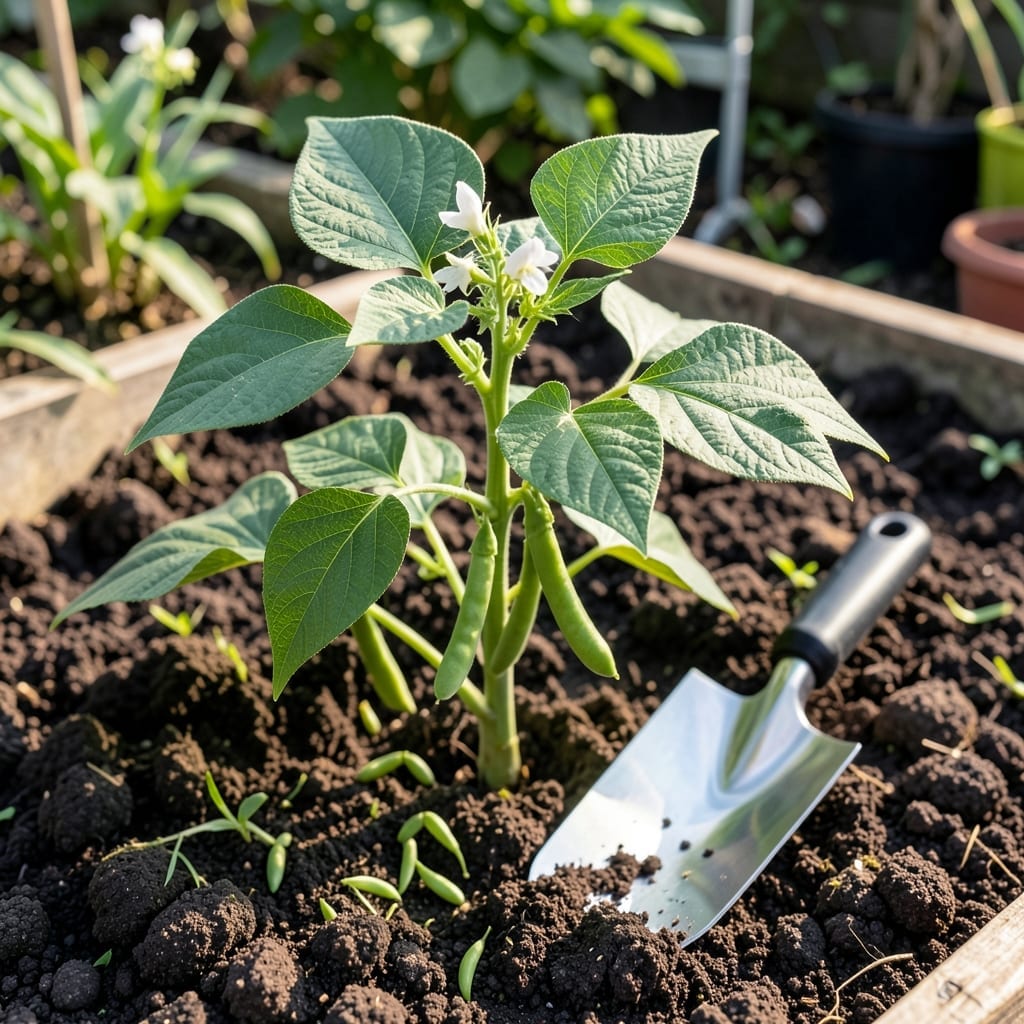
Timing is everything when planting 🌱 Green Beans in South Carolina, where the warm climate can make or break your harvest. Get it right, and you’ll enjoy crisp, homegrown beans all season long.
Our state’s unique zones 7b-8a offer two prime planting windows each year. Whether you’re a seasoned gardener or just starting out, knowing these windows is the key to success.
I’ll walk you through the best times to plant, considering our early spring warmth and fall cool-downs. These aren’t just guidelines – they’re your roadmap to a bountiful harvest.
Discover how to work with South Carolina’s climate rather than against it. Your future self will thank you when you’re picking fresh Green Beans straight from your garden.
South Carolina’s USDA zones 7b-8a give gardeners unique advantages for growing green beans. Our mild winters and long growing season mean you can plant twice a year. I always check my local frost dates to time it perfectly.
The magic number for soil temperature is 60°F – that’s when green bean seeds will sprout reliably. In most of SC, this happens around late March for spring planting and late July for fall crops.
| Zone | Spring Planting | Fall Planting | Last Frost |
|---|---|---|---|
| 7b | March 15 – April 15 | July 15 – August 15 | April 10 |
| 8a | March 1 – March 31 | July 1 – August 1 | March 25 |
| 8b | February 15 – March 15 | June 15 – July 15 | March 15 |
Bush beans mature faster (50-60 days) and do well in both seasons. I plant ‘Blue Lake’ in spring and ‘Contender’ in fall for best results. These varieties handle SC’s heat and humidity beautifully.
Pole beans need a bit more time (60-70 days) but produce longer. They’re perfect for vertical gardening in small spaces. I use a simple trellis system that saves room and makes harvesting easier.
For early spring planting, wait until after your last frost date. In zone 8b, that’s as early as March 15. In cooler zone 7b, I’d wait until April 10 to be safe from late frosts.
The fall planting window is just as important. Count back 8-10 weeks from your first frost date. In most of SC, that means planting by mid-July to early August for a fall harvest.
I always test my soil temperature before planting. A simple soil thermometer costs just a few dollars and takes the guesswork out. If it’s below 60°F, I wait – the seeds won’t germinate well in cooler soil.
Succession planting is my secret weapon for continuous harvests. I plant new seeds every 2-3 weeks during the growing season. This way, I’m not overwhelmed with beans all at once and can enjoy fresh picks for months.
Remember that coastal areas may have slightly different timing due to maritime influence. When in doubt, check with your local extension office for hyper-local advice. They’re an incredible free resource for SC gardeners 🌱
Choosing between spring and fall planting in South Carolina depends on your goals. Spring offers longer daylight and warmer soil, but fall avoids summer heat stress that can reduce yields.
Fall planting often produces sweeter beans with fewer pest issues, as many insects become less active in cooler weather. However, spring planting gives you an earlier harvest and more variety options.
For spring planting, I recommend starting bush beans in early March in zone 8a, or mid-March in zone 7b. This gives them time to mature before summer heat peaks.
Pole beans do well in spring too, but need taller supports as they can reach 6 feet. Try ‘Kentucky Wonder’ for reliable spring production.
Fall planting should begin in late July to early August. This timing ensures beans mature before the first frost around November 1st. I’ve had great success with ‘Blue Lake’ for fall crops.
Remember, soil temperature is crucial for both seasons. Use a soil thermometer to confirm it’s at least 60°F before planting. This simple step can dramatically improve germination rates.
In my experience, succession planting works beautifully in SC. Plant a new batch every 2-3 weeks through early summer for continuous harvests.