
Beautiful Plants For Your Interior
Beautiful Plants For Your Interior
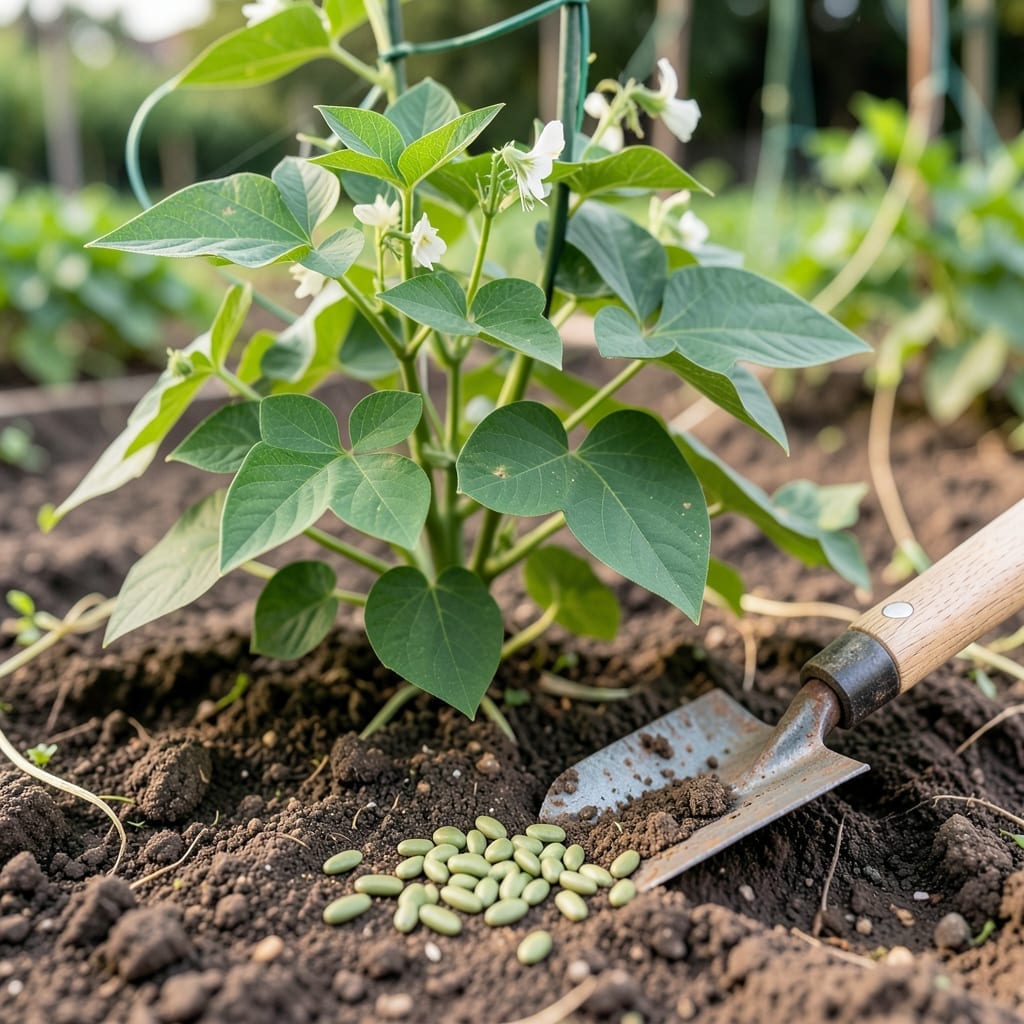
Timing is everything when growing Green Beans in Oregon’s diverse climate. Plant too early and frost could wipe out your crop. Plant too late and you’ll miss the prime growing window.
Each region—from the coast to the Willamette Valley—has its own microclimate. That means what works for Portland gardeners might not suit Eastern Oregon. Understanding these differences is the key to a successful harvest.
I’ve tested planting schedules across Oregon’s zones and found the sweet spot. Whether you’re in zone 8a-9b or cooler areas, I’ll show you exactly when to start.
Let’s dig into the specifics so you can plant with confidence and enjoy a bountiful Green Beans harvest this season.
Oregon’s diverse USDA zones from 4 to 9 mean your green bean planting window varies greatly. Coastal regions like Astoria stay cooler, while the Willamette Valley warms faster in spring.
For optimal germination, soil temperature must reach at least 60°F. Planting too early in zones 4-6 risks frost damage, while zones 8-9 can start earlier but face summer heat stress.
| Zone | Last Frost Date | Planting Window |
|---|---|---|
| 4-5 | May 15 – June 1 | Late May – Early June |
| 6-7 | April 15 – May 1 | Mid-April – Late May |
| 8-9 | March 15 – April 1 | Early April – Mid-May |
In Western Oregon, the cooler maritime climate means I wait until mid-May for zones 7-8. The soil warms slower here, so I always check with a soil thermometer before planting.
For Eastern Oregon gardeners in zones 5-6, the drier climate and hotter summers mean I plant bush beans in late May to avoid heat stress during pod formation.
The Willamette Valley offers a longer growing season. Here, I can direct sow as early as April 15 in zone 8a, but I watch for late frosts that sometimes occur.
In coastal areas, the cool summers extend my planting window. I often succession plant every 2 weeks from May to July for continuous harvests through fall.
For mountain regions, the shorter season means I prioritize early maturing varieties like ‘Provider’. These can handle cooler temperatures and mature in just 50 days.
Remember, pole beans need warmer soil than bush types. I plant them 1-2 weeks later than bush beans in all zones to ensure the trellis system is ready for their vigorous growth.
Always harden off any starts before transplanting. I find that direct sowing works best for green beans, as they dislike root disturbance. The seeds germinate quickly in warm, moist soil.
Finally, I mark my planting dates on a calendar and watch the 10-day forecast. A surprise late frost can wipe out young seedlings, so I keep frost cloth handy just in case.
🌱Planting green beans in Oregon requires adaptability. The state’s varied microclimates mean what works in Portland may fail in Bend. I’ve learned that soil prep and timing are everything for a strong start.
Start by ensuring your soil is well-draining with a pH of 6.0-7.0. Green beans thrive in loose soil, so I always amend with compost before planting. This gives roots room to spread and access to nutrients.🌱
If you’re in a cooler zone like Zone 4 or 5, consider starting seeds indoors. I’ve had success with this method in high-elevation areas where the growing season is shorter.
For heat-prone regions like Southern Oregon, I recommend pole beans. They handle heat better than bush varieties and produce longer. Just ensure they have a trellis or support to climb.🌿
Finally, don’t forget to mulch around plants to retain moisture and suppress weeds. This simple step can make a big difference in Oregon’s dry summer months. With these tips, you’ll be well on your way to a healthy, productive harvest.