
Beautiful Plants For Your Interior
Beautiful Plants For Your Interior
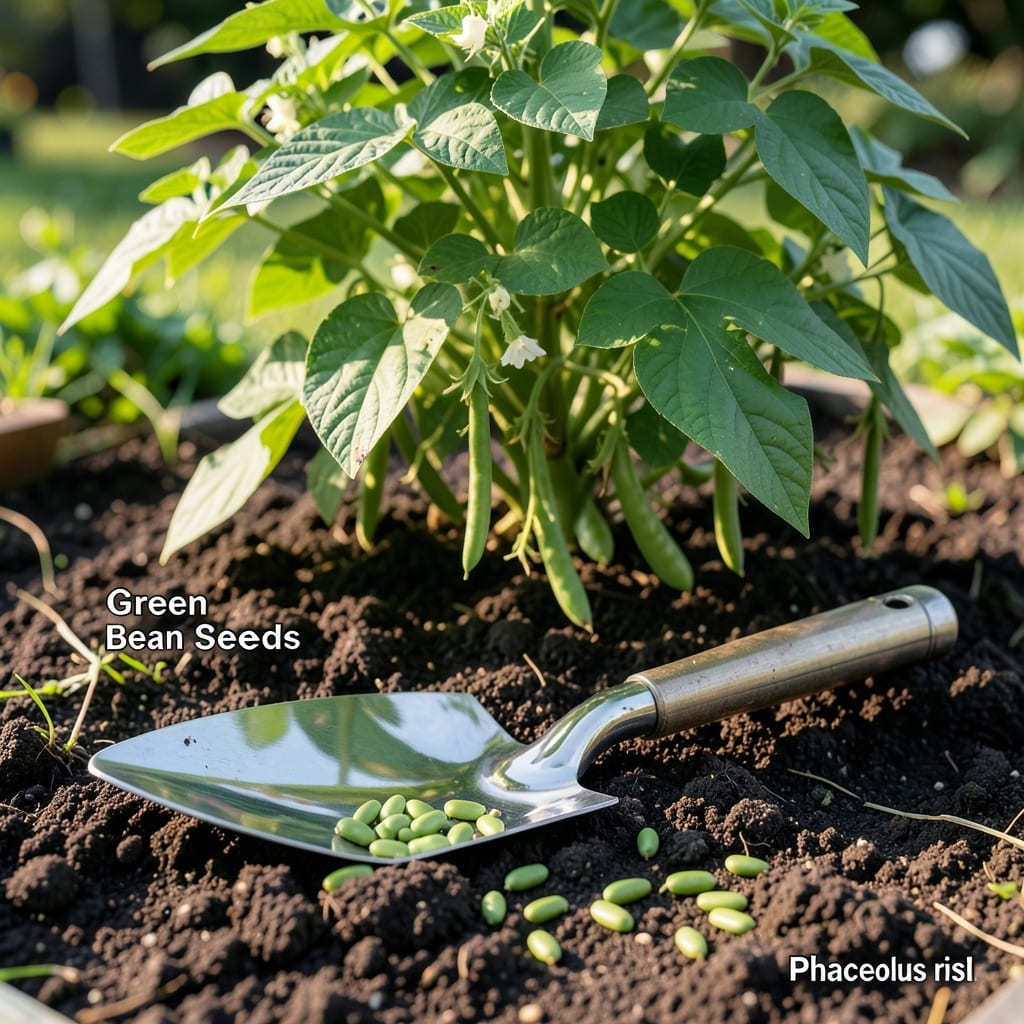
Timing is everything when it comes to planting Green Beans in North Texas. Plant too early or too late, and you risk poor germination, stunted growth, or a lackluster harvest.
The climate here in zone 8a is unique, and understanding its rhythms can make all the difference. I’ve seen firsthand how the right timing leads to thriving plants and bountiful yields.
With two prime planting windows each year, you have two chances to get it right. Whether you’re a seasoned gardener or just starting out, knowing these windows is the key to success.
Let me walk you through the best times to plant, what to watch for, and how to set your Green Beans up for a productive season from the very start.
In North Texas, timing your green bean planting is crucial because of our unique climate. We’re in USDA zones 7b-8a, which means mild winters and hot summers that can stress these cool-season lovers.
I’ve found that soil temperature is the most reliable indicator. Green beans need at least 60°F soil to germinate properly, and they’ll struggle if planted when it’s too cold or too hot.
| Planting Window | Optimal Months | Soil Temp |
|---|---|---|
| Spring Planting | Feb 15 – Apr 1 | 60-70°F |
| Fall Planting | Aug 15 – Sep 15 | 65-75°F |
| Last Frost | March 15 | – |
| First Frost | Nov 15 | – |
For spring planting, I aim to get green beans in the ground 2-3 weeks after the last frost date, which is typically March 15 in our area. This gives the soil time to warm up.
The fall planting window is equally important. I start sowing seeds in mid-August to ensure a harvest before the first frost hits around November 15. This timing avoids the peak summer heat.
I always check the 10-day forecast before planting. If there’s a cold snap coming, I’ll wait. Green beans can handle light frost, but young seedlings are vulnerable to temperatures below 32°F.
In my experience, bush beans do better in spring, while pole beans can handle the slightly warmer conditions of late summer planting. Both types need well-draining soil to prevent rot.
For best results, plant your green beans in full sun locations. They need 6-8 hours of direct sunlight daily to thrive in our North Texas climate.
I’ve noticed that morning plantings work best. The cooler temperatures and higher humidity help seeds establish before the midday heat kicks in. Always water deeply after planting.
Remember that soil prep matters as much as timing. I work in compost before planting to ensure good drainage and nutrient availability. This helps the plants resist disease and produce abundantly.
Preparing your North Texas soil properly sets the stage for healthy green bean growth. I always start by testing my soil’s pH level, aiming for a slightly acidic range of 6.0-6.8. This helps the plants absorb nutrients efficiently
Good drainage is crucial, as green beans hate soggy roots. I mix in organic compost to improve soil structure and add essential nutrients. This step makes a noticeable difference in plant vigor
For North Texas clay soils, I recommend adding coarse sand or pine bark fines to improve drainage. This prevents waterlogging during our occasional heavy rains
Don’t overlook pre-plant fertilization. I use a balanced 5-10-10 fertilizer worked into the top 6 inches of soil. This gives the young plants a strong start
Remember that green beans are light feeders, so avoid over-fertilizing. Too much nitrogen can lead to lush foliage but poor pod production
Finally, I always water the prepared bed thoroughly a day before planting. This ensures the soil is evenly moist when the seeds go in, promoting better germination
☀️🌱