
Beautiful Plants For Your Interior
Beautiful Plants For Your Interior
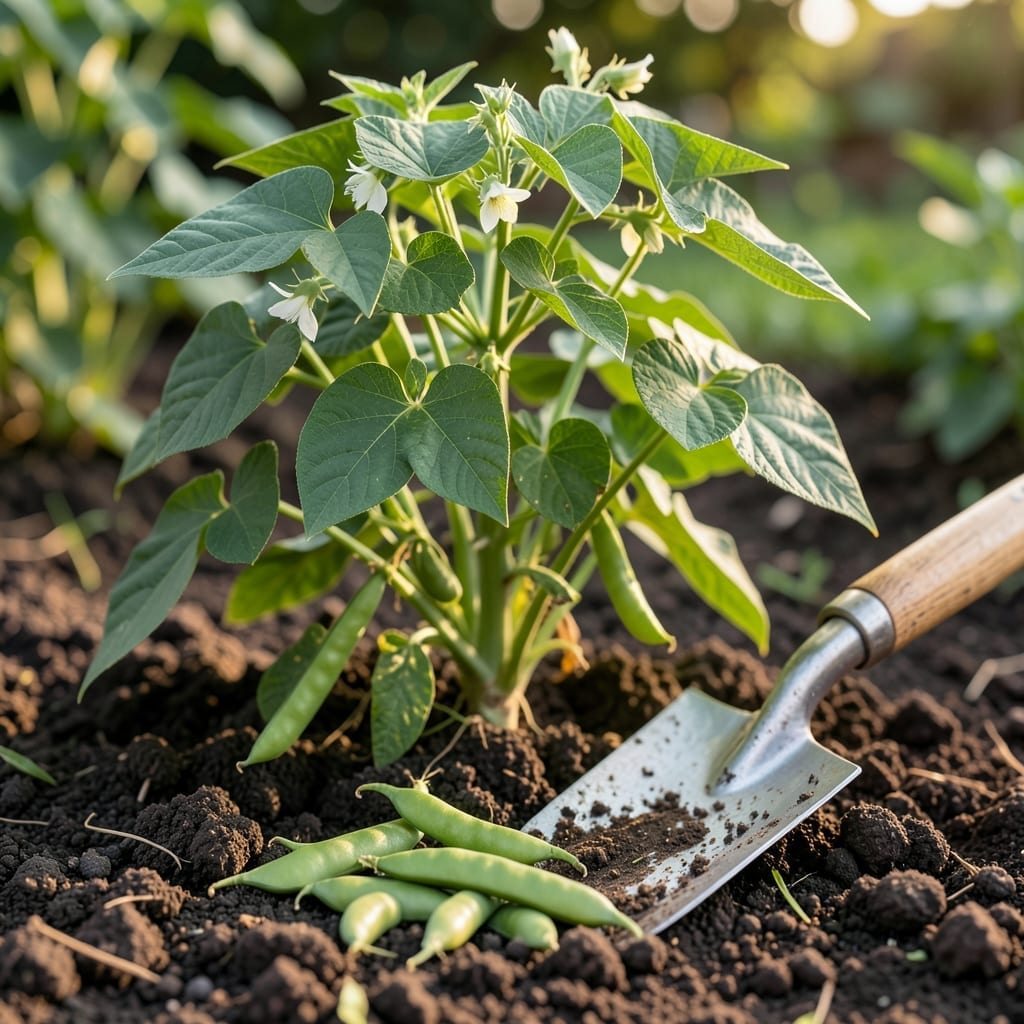
Timing is everything when it comes to planting Green Beans in North Florida’s unique climate. Plant too early or too late, and you risk poor germination or a lackluster harvest.
As a gardener in zones 8b-9a, I’ve learned that the window between February and April offers the best start for a thriving crop. The soil warms up just enough to coax those seeds to life.
But there’s another chance later in the year. From August to October, you can plant a second round for a fall harvest before the first frost arrives.
Let me walk you through the most important factors to consider, so you can time your planting perfectly and enjoy a bountiful yield of fresh Green Beans.
In North Florida’s USDA zones 8b-9a, I’ve found that timing your green bean planting is key to a successful harvest. The region’s mild winters and hot summers create two distinct planting windows.
For spring planting, aim for February to April. This allows seeds to germinate in warming soil, typically reaching 60°F or higher, which is ideal for green beans. The last frost date here is around March 15, so planting after this reduces frost risk.
| Season | Planting Window | Harvest Time | Soil Temp. |
|---|---|---|---|
| Spring | February – April | May – June | 60°F+ |
| Fall | August – October | October – November | 70°F+ |
The fall window runs from August to October. Planting in late summer ensures your green beans mature before the first frost, which typically arrives around November 15 in North Florida.
For both seasons, bush beans mature faster, usually in 50-60 days, while pole beans take a bit longer, around 60-70 days. This timing gives you flexibility to stagger plantings.
I always check the soil temperature before planting. Green beans won’t germinate well in cold soil, so a soil thermometer is a handy tool. If the soil is below 60°F, I wait a week or two.
Another tip: avoid planting during the hottest part of summer. June and July can be scorching in North Florida, and high temps can stress young plants, leading to poor germination or weak growth.
If you’re eager to start early, January can work for bush beans if you use row covers to protect from unexpected cold snaps. Just be ready to remove them once temperatures rise.
For the best results, I recommend planting in well-draining soil with plenty of organic matter. North Florida’s sandy soil benefits from compost or aged manure to retain moisture and nutrients.
Finally, keep an eye on the weather forecast. If a late frost is predicted after you’ve planted, cover your seeds or seedlings with frost cloth to prevent damage.
With these timing tips, you’ll be well on your way to a productive green bean harvest in North Florida. 🌱
Preparing your North Florida soil is key to a successful green bean harvest. Our sandy soils here drain fast but often lack organic matter and nutrients. I always start with a soil test to check pH levels.
The ideal pH range for green beans is between 6.0 and 6.8. If your soil is too acidic, adding lime can help balance it. For alkaline soil, sulfur works well to lower the pH.
I mix in 2-3 inches of compost or well-rotted manure to boost fertility. This also improves water retention, which is crucial in our fast-draining sands. Avoid fresh manure, as it can burn young plants.
Green beans prefer loose, well-draining soil. If your garden has heavy clay spots, consider raised beds or amending with sand and organic matter. This prevents waterlogging and encourages strong root growth.
For best results, water the soil a day before planting. This ensures moisture is deep in the root zone where seeds will germinate. I’ve found this simple step boosts germination rates significantly.
Finally, mulch around plants with straw or grass clippings to retain moisture and suppress weeds. This is especially helpful during our hot, dry spells in late spring and fall.
With these steps, your soil will be ready to support healthy, productive green bean plants all season long 🌱