
Beautiful Plants For Your Interior
Beautiful Plants For Your Interior
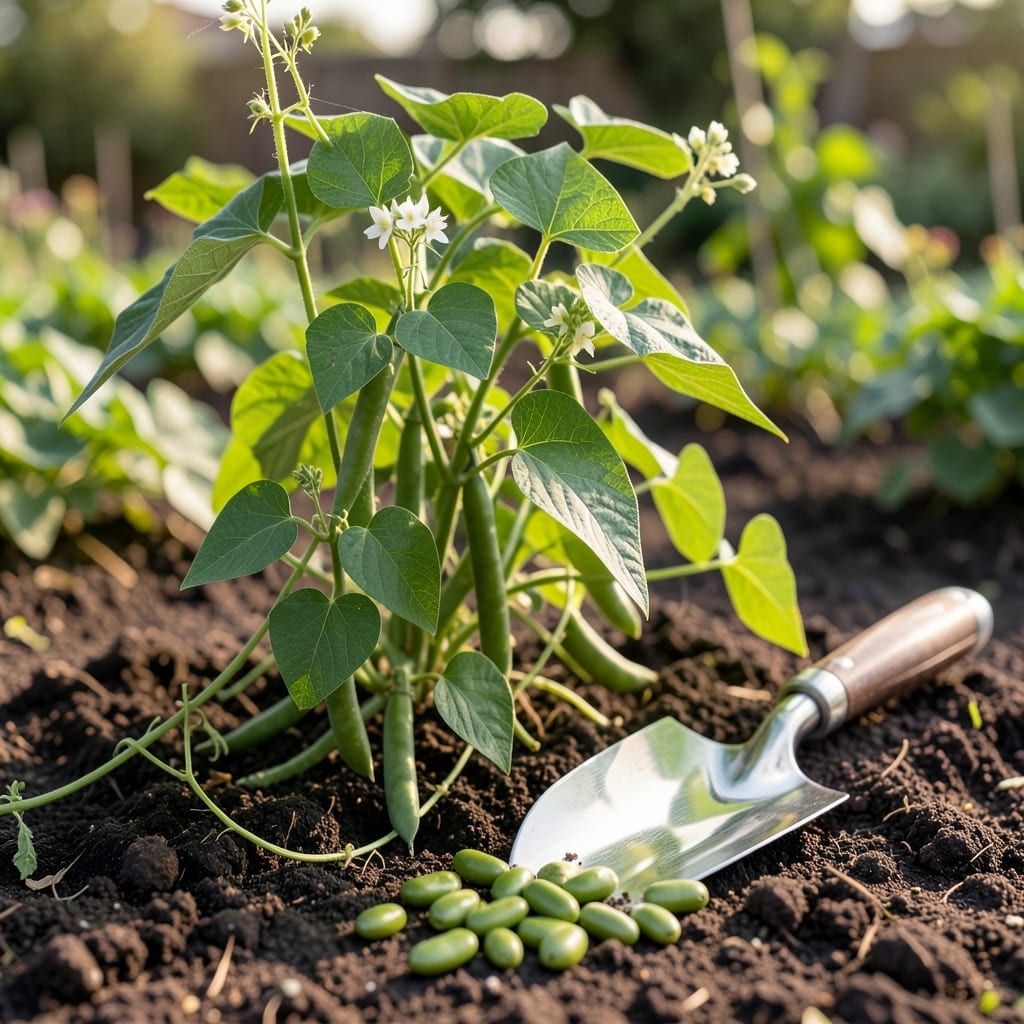
Timing is everything when growing Green Beans in Maine’s unpredictable climate. Plant too early, and a late frost could ruin your crop. Wait too long, and you’ll miss the perfect window for a bountiful harvest.
Maine’s 5a zone means you need to watch both the calendar and the soil. Green Beans thrive when the earth warms up, and planting at the right moment sets you up for success.
I’ve learned the hard way that rushing this process never pays off. But when you get it right, the rewards are well worth the patience.
Let me show you exactly when to plant Green Beans in Maine for the best results, so you can enjoy fresh, homegrown produce all season long.
Maine’s USDA zones 3-6 create varied planting windows for green beans. The key is waiting until soil reaches 60°F, which typically happens after the last frost date of May 15 in most regions.
Coastal areas warm faster than inland spots, so gardeners in Zone 6 can often plant 1-2 weeks earlier than those in Zone 3. I always check my local soil temperature before sowing.
| Maine Zone | Planting Window | Bush Beans | Pole Beans |
|---|---|---|---|
| Zone 3 | Late May to early June | 50-55 days | 60-70 days |
| Zone 4 | Mid-May to late May | 55-60 days | 65-75 days |
| Zone 5 | Early May to mid-May | 50-60 days | 60-70 days |
| Zone 6 | Late April to early May | 45-55 days | 55-65 days |
Bush beans mature faster and are ideal for Maine’s shorter growing season. I recommend varieties like ‘Provider’ or ‘Blue Lake’ for reliable harvests.
Pole beans take longer but produce higher yields over a longer period. Try ‘Kentucky Wonder’ or ‘Fortex’ if you have space for trellises or supports.
In coastal Maine, the moderating ocean influence allows for earlier planting. I’ve had success sowing bush beans as early as late April in protected microclimates.
For inland areas, wait until soil temps consistently hit 60°F. A soil thermometer is my go-to tool for accuracy—don’t guess!
Succession planting works well in Maine. I plant a new batch of bush beans every 2-3 weeks until mid-July for continuous harvests.
Remember, frost sensitivity is critical. Green beans cannot tolerate frost, so always keep an eye on late spring and early fall weather forecasts.
For the best results, prepare your soil in advance. I amend my beds with compost and ensure good drainage to prevent waterlogging in Maine’s humid summers.
🌱Maine’s cool summers and short growing season require smart strategies to maximize your green bean yield. I’ve found that succession planting is the most reliable way to keep fresh beans coming all season long.
By staggering plantings every 2-3 weeks, you can avoid the feast-or-famine cycle that often plagues gardeners. This method works especially well with bush bean varieties like ‘Provider’ or ‘Contender’.
For early season starts, I use black plastic mulch to warm the soil faster. This simple trick can give you a 1-2 week head start on planting, especially in Zone 3-4 areas.
Pole beans are another excellent choice for Maine gardeners. While they take longer to mature, they’ll produce continuously for 6-8 weeks once they start. Just ensure you have sturdy trellises in place.
Don’t forget to monitor weather as fall approaches. I always have frost blankets ready to protect late plantings from early October frosts that can sneak up on you.
Finally, soil preparation makes a huge difference. I mix in aged compost before planting and maintain consistent moisture without waterlogging. This gives your beans the best chance to thrive in Maine’s climate. 🌱