
Beautiful Plants For Your Interior
Beautiful Plants For Your Interior
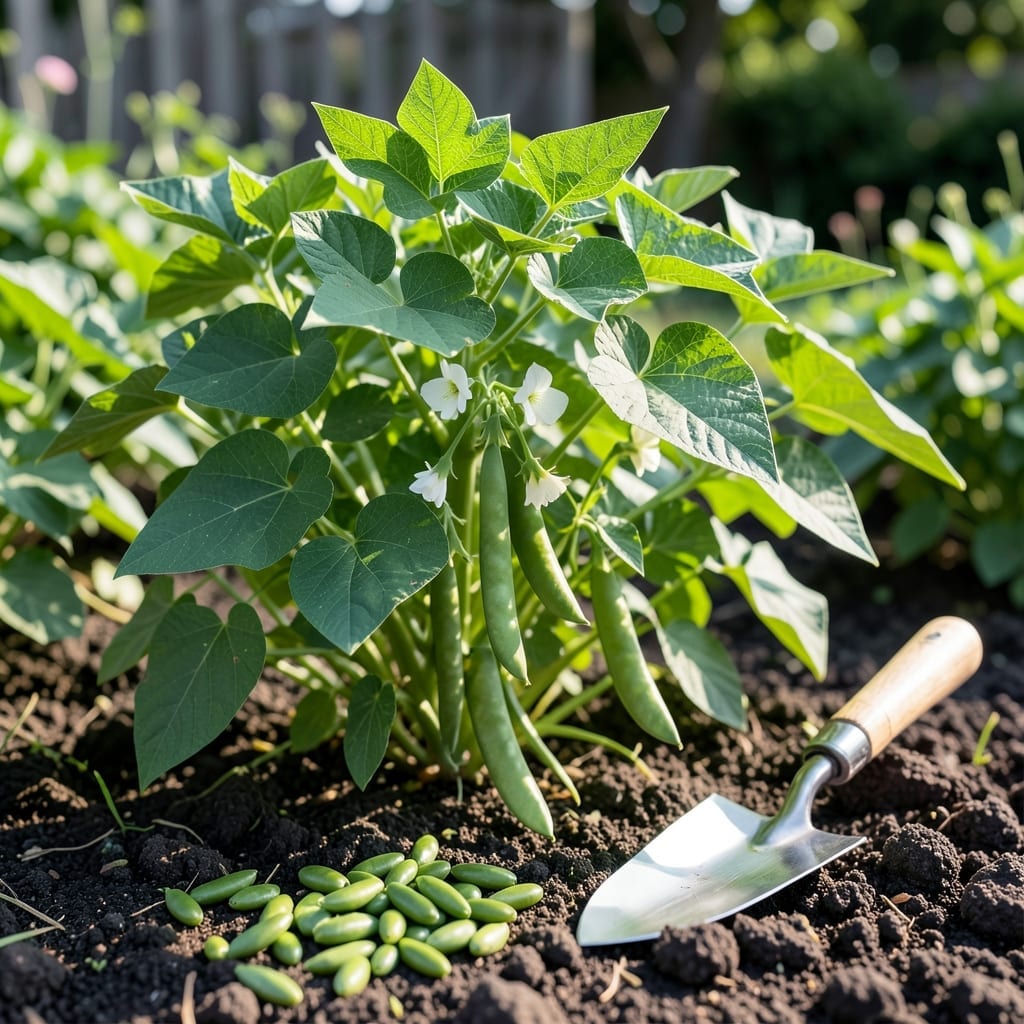
Timing is everything when it comes to growing Green Beans in East Tennessee. Plant too early, and frost may stunt their growth; plant too late, and summer heat can reduce yields.
In our 7a zone, getting the timing right means the difference between a bountiful harvest and a struggling garden. I’ve learned the hard way that patience pays off.
Whether you’re a seasoned gardener or just starting out, knowing the optimal window is the key. The good news? It’s simpler than you might think.
Let me walk you through exactly when to get those Green Beans in the ground for the best results this growing season.
In East Tennessee’s Zone 7a, timing your green bean planting is crucial for a successful harvest. The region’s climate offers two ideal windows for planting these warm-season vegetables.
Our last frost date is typically around April 15, which marks the beginning of our safe planting period. However, green beans prefer soil temperatures above 60°F for optimal germination.
| Planting Window | Dates | Notes |
|---|---|---|
| Early Spring | Mid-April to Early May | After last frost, soil ≥60°F |
| Late Spring | Mid-May to Early June | Primary window, best yields |
| Early Summer | Late June to Early July | For fall harvest, heat-tolerant varieties |
I recommend starting your first planting 2-3 weeks after the last frost date. This usually means late April for most of East Tennessee. The soil should be warm enough by then for good germination.
For a continuous harvest, consider succession planting. Sow new seeds every 2-3 weeks until mid-July. This technique ensures you’ll have fresh beans throughout the summer and into early fall.
The optimal soil temperature range for green beans is 70-80°F. If you’re eager to plant early, use a soil thermometer to check conditions. Cold soil can delay germination or cause seeds to rot.
Remember that bush beans mature faster than pole beans. Bush varieties are ready in about 50-60 days, while pole beans may take 60-70 days. Plan accordingly for your preferred type.
East Tennessee’s growing season typically lasts about 180 days, from mid-April to mid-October. This gives you plenty of time for multiple plantings, especially with fast-maturing varieties.
If you’re planting in early summer for a fall harvest, choose heat-tolerant varieties like ‘Contender’ or ‘Blue Lake’. These can handle the warmer temperatures better than other types.
Always water consistently after planting, keeping the soil moist but not waterlogged. Green beans have shallow roots, so they benefit from regular, light watering rather than occasional deep soaking.
Preparing your East Tennessee soil properly is the foundation for healthy green beans. I always start by testing my soil’s pH, aiming for a slightly acidic range between 6.0 and 6.8, which beans prefer.
Begin by loosening the soil to a depth of 8-10 inches. Green beans need well-draining soil to prevent root rot, so I add compost or aged manure to improve both drainage and fertility.
For bush beans, I plant seeds 1-1.5 inches deep and space them 4-6 inches apart in rows that are 18-24 inches apart. This gives each plant enough room to grow without competing for nutrients.
Pole beans need similar depth but require support structures like trellises or poles. I space these seeds 4-6 inches apart at the base of their support, with rows 24-30 inches apart.
After planting, I water gently but thoroughly to settle the soil around the seeds. It’s crucial to keep the soil consistently moist during germination, which typically takes 7-14 days in our climate.
I always mulch around my bean plants with straw or shredded leaves. This helps retain moisture, suppresses weeds, and keeps the soil temperature stable, which is especially important in East Tennessee’s variable spring weather. ☀️