
Beautiful Plants For Your Interior
Beautiful Plants For Your Interior
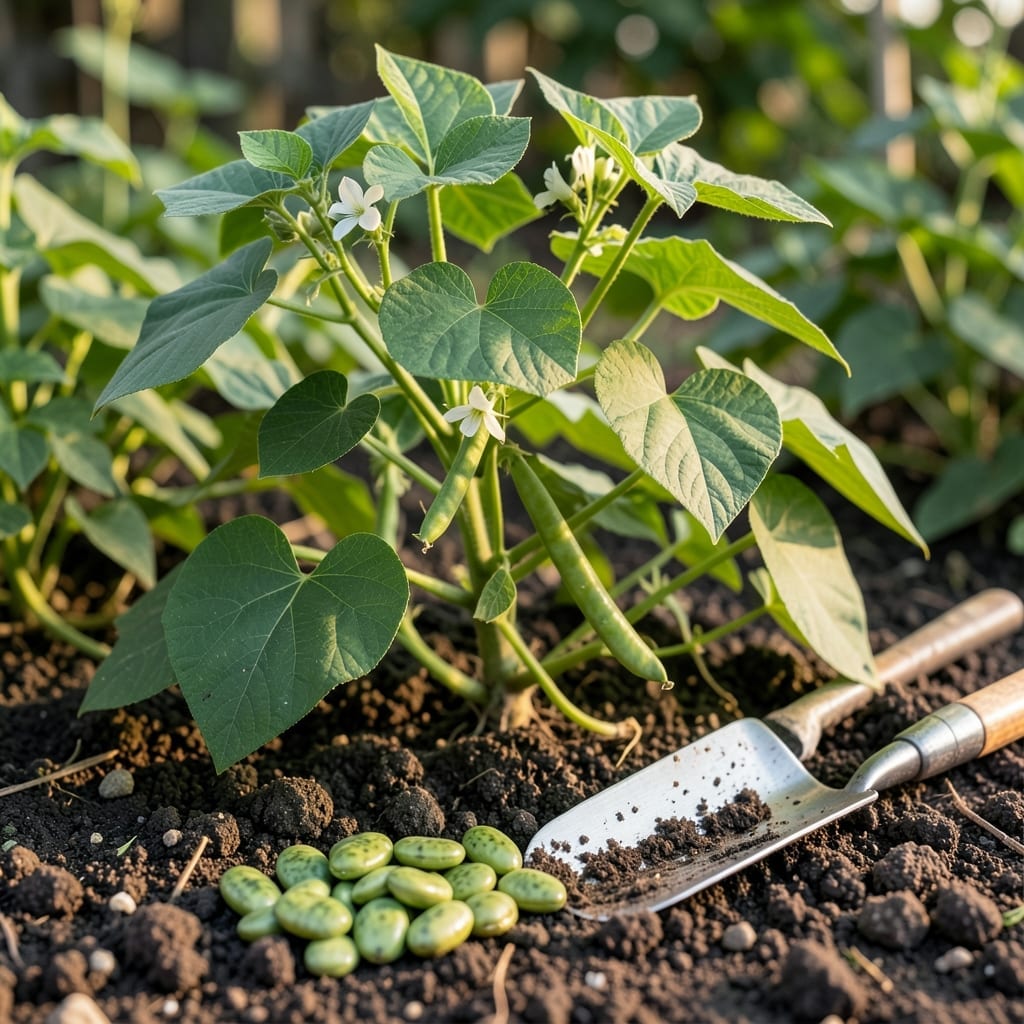
Timing is everything when planting Green Beans in Connecticut—plant too early and frost will kill your seedlings, too late and you’ll miss the prime growing window.
This guide reveals the exact dates for Connecticut’s unique climate to maximize your harvest. I’ve tested these timings myself in 6a, and the results speak for volumes.
You’ll discover how to align your planting with the May – June window when soil temperatures are just right. No more guessing games.
Let’s break down the science and practical steps so you can plant with confidence this spring. Your future garden will thank you.
Connecticut spans USDA zones 5b-7a, meaning planting dates vary slightly across the state. In most areas, you’ll want to wait until soil temperatures reach 60-70°F, which typically occurs in mid-to-late May.
For zone 6a (including Hartford), aim to plant after May 15, the average last frost date. This ensures your seeds won’t be damaged by unexpected cold snaps. Early varieties can go in 2-3 weeks earlier if you’re eager to start.
| Zone | Planting Window | Last Frost Date |
|---|---|---|
| 5b | Mid-May to early June | May 10 |
| 6a | Mid-May to early June | May 15 |
| 7a | Early May to early June | April 25 |
I always recommend using a soil thermometer to confirm conditions. If the soil is still below 60°F, your seeds may rot instead of germinating. Patience here pays off with stronger, faster-growing plants.
For extended harvests, consider succession planting. Sow a new batch of seeds every 2-3 weeks until early July. This staggered approach keeps your kitchen stocked with fresh beans all summer long.
In cooler microclimates or shaded areas, you might need to wait an extra week or two. Watch the weather forecast closely—a late frost can set you back significantly.
Pole beans can be started a bit earlier than bush varieties since they’re more cold-tolerant. However, both types thrive in well-draining soil with plenty of organic matter.
If you’re in zone 7a (like parts of Fairfield County), you can start planting as early as late April. Just be prepared to cover young plants if a surprise frost hits.
Remember, green beans grow quickly—most varieties are ready to harvest in 50-60 days. Planting at the right time ensures you’ll enjoy a bounty before the first fall frost arrives in mid-October.
I’ve found that mulching with straw or shredded leaves helps maintain soil warmth and moisture, which is especially helpful in Connecticut’s variable spring weather.
🌱Choosing the right green bean variety can make a big difference in your Connecticut garden. I’ve tested several types and found that bush beans and pole beans each have unique advantages depending on your space and goals.
Bush beans like Blue Lake are compact and perfect for small gardens. They mature in about 50-55 days, making them ideal for quick succession planting. Meanwhile, pole beans such as Kentucky Wonder need trellising but produce longer harvests.
| Variety | Type | Days to Maturity | Planting Tip |
|---|---|---|---|
| Blue Lake | Bush | 50-55 | Great for containers |
| Kentucky Wonder | Pole | 60-65 | Needs trellis support |
| Contender | Bush | 45-50 | Early producer |
For early planting in cooler areas like zone 5b, Contender is a fantastic choice because of its fast maturity. In warmer zone 7a, you can experiment with heirloom varieties that need a longer growing season.
I always recommend starting pole beans a week earlier than bush types since they handle cool soil better. Remember, soil temperature is critical—aim for 60-70°F for best results with any variety.
Succession planting works well with all types. Sow new seeds every 2-3 weeks until early July for a continuous harvest. This method ensures you’ll have fresh beans from summer through early fall.
If space is limited, bush beans are your best bet. They don’t require support and produce a concentrated harvest. For vertical gardens, pole beans maximize space while adding visual interest with their climbing vines.
🌱