
Beautiful Plants For Your Interior
Beautiful Plants For Your Interior
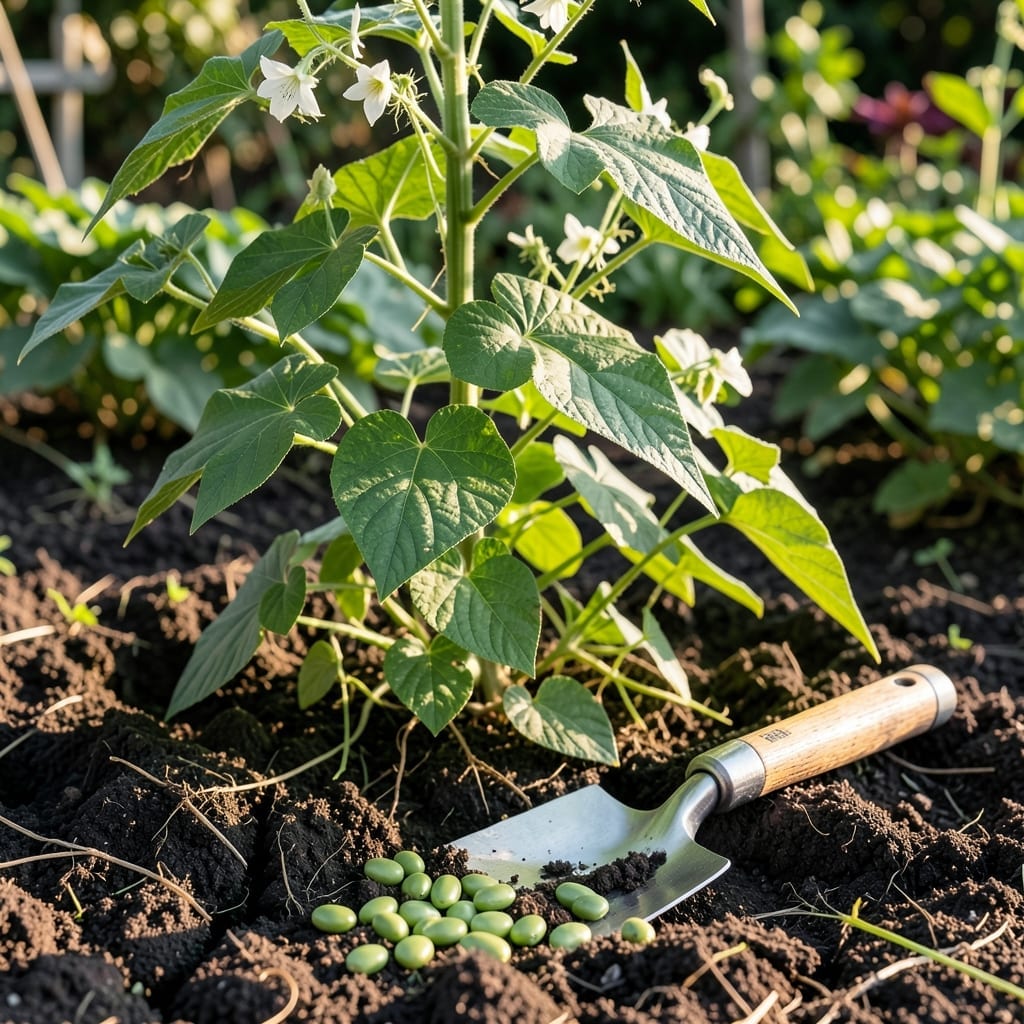
Timing is everything when planting Green Beans 🌱 in Colorado, where unpredictable frost dates can make or break your harvest. Get it right, and you’ll enjoy a bountiful crop of crisp, flavorful beans all season long.
I’ve learned the hard way that planting too early or too late can leave you with disappointing results. Colorado’s 5b-7a zones demand precision, but the payoff is worth every bit of planning.
Whether you’re a seasoned gardener or just starting out, knowing the best window to plant is the key to success. And trust me, there’s nothing quite like the satisfaction of picking your first batch.
Let me walk you through exactly when and how to plant Green Beans for a thriving harvest. You’ll be enjoying fresh beans from your garden in no time.
Colorado’s diverse USDA zones (3-7) mean green beans planting times vary widely. In zone 5b (Denver area), the last frost typically hits around May 15, making this the safest time to sow. High-altitude areas in zone 3 may need to wait until early June for warmer soil. 🌱
For pole beans, which take slightly longer to mature, I recommend starting 1-2 weeks after your last frost date. Bush beans are more cold-tolerant and can go in a bit earlier, but always check soil temperature—it should be at least 60°F for best germination. ☀️
| Zone | Last Frost Date | Planting Window | Varieties |
|---|---|---|---|
| 3-4 | June 1 | Early June | Bush beans |
| 5a-5b | May 15 | Mid-May to early June | Bush & pole |
| 6-7 | April 15 | Late April to May | All varieties |
In microclimates like urban heat islands or south-facing slopes, you might get away with planting 1-2 weeks earlier. I’ve had success with ‘Blue Lake’ bush beans in Denver by May 10 in protected spots. Just be ready to cover seedlings if a late frost threatens. 🌿
For fall planting, count backward from your first frost date. In zone 5b, that’s around October 15. Since green beans take 50-60 days to mature, sow seeds by mid-August for a second harvest. Pole beans aren’t ideal for fall as they need more time. ✂️
Soil preparation is key in Colorado’s dry climate. I amend my beds with compost and ensure good drainage, especially in clay-heavy soils. Green beans dislike waterlogged roots, so raised beds can be a game-changer in low-lying areas. 💧
If you’re in zone 7 (southern Colorado), you’re lucky—your longer growing season allows for succession planting. I plant a new batch of bush beans every 2-3 weeks from April to July for continuous harvests. This works well in areas like Pueblo or La Junta. 🌻
For high-altitude gardens (above 6,000 feet), cool nights can slow growth. Use black plastic mulch to warm the soil, and consider row covers early in the season. I’ve found ‘Provider’ bush beans particularly resilient in these conditions. 🌡️
Always harden off seedlings if you start them indoors, but direct sowing is preferred for green beans—they don’t transplant well. In windy areas, like the Eastern Plains, a windbreak can protect young plants and improve pollination. 🌬️
Finally, keep an eye on local weather forecasts. Colorado’s unpredictable swings can bring a late frost or an early heatwave. I use a soil thermometer to confirm temperatures before planting, and it’s saved me from many a failed crop. 📌
Colorado’s dry climate and variable temperatures require careful planning for green beans. I always start by preparing the soil, ensuring it’s loose and well-draining to help roots establish quickly.
For best results, plant seeds about 1 inch deep and 2-4 inches apart, with rows spaced 18-24 inches apart. This gives both bush and pole beans room to thrive without competing for nutrients.
Steps to Success:
In Colorado’s arid conditions, I’ve found that mulching with organic material helps retain moisture and keeps soil temperatures stable. This is especially important during hot summer days when evaporation rates spike.
For an extended harvest, I practice succession planting. I sow new seeds every 2-3 weeks until mid-summer. This ensures a continuous supply of fresh beans rather than one large, overwhelming harvest.
Remember, green beans are sensitive to frost. Always check your local frost dates and avoid planting until after the last spring frost has passed. In most Colorado zones, this means waiting until at least mid-May.
With proper care, your plants should start producing tender pods in about 50-60 days. Keep an eye out for pests like Mexican bean beetles, which can be a problem in Colorado gardens.
Harvest regularly to encourage more production, and enjoy the fruits of your labor all season long 🌱