
Beautiful Plants For Your Interior
Beautiful Plants For Your Interior
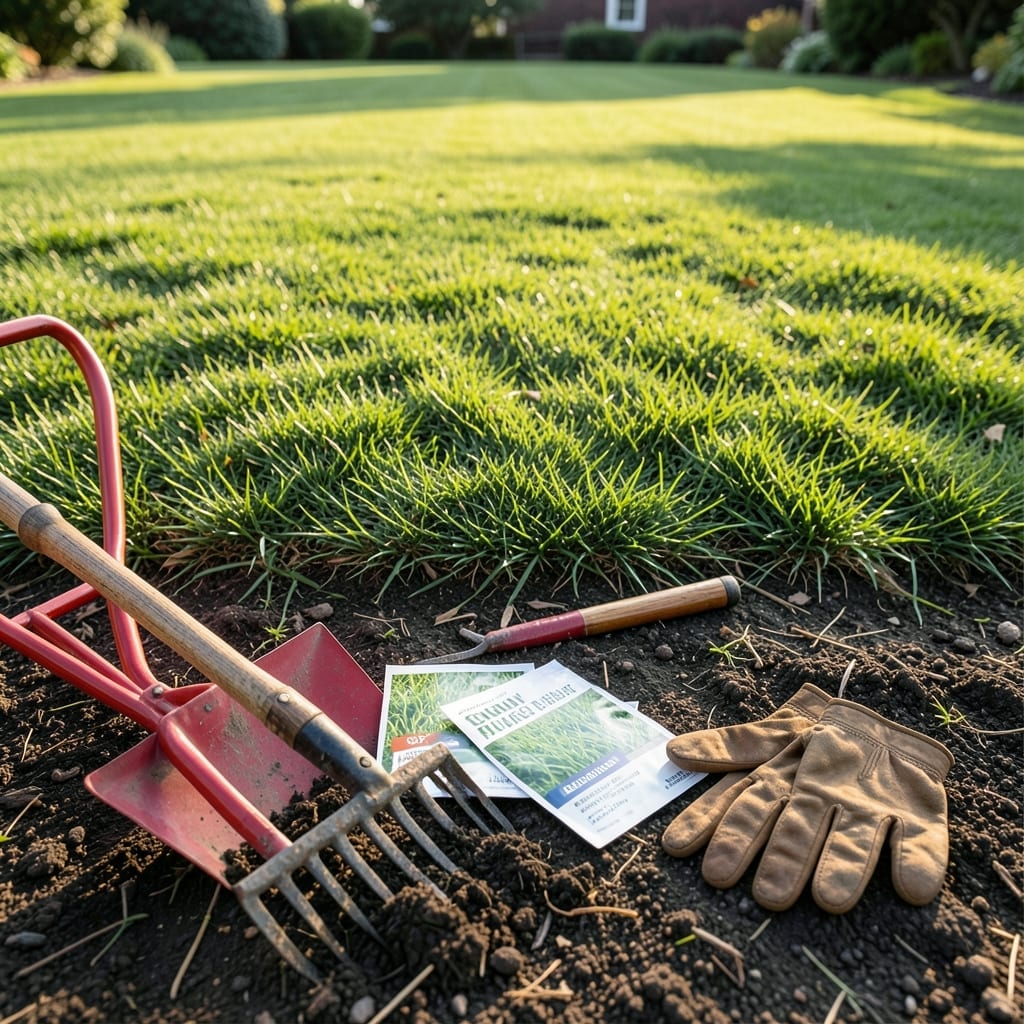
Timing is everything when it comes to planting Grass seed in Pennsylvania’s unpredictable spring weather. Get it right, and you’ll have a lush, green lawn that thrives all season.
In zones 6a-7b, the window is narrow but critical. Plant too early, and frost might ruin your efforts. Wait too long, and summer heat can stress young seedlings.
I’ve learned the hard way that patience pays off. The soil needs to be just right—warm enough to support growth but not so hot it dries out your new 🌱Grass.
Discover the exact timing and steps to ensure your lawn gets the best start this spring. Let’s make this your greenest season yet.
Pennsylvania spans USDA zones 5-7, each with slightly different spring planting windows. In zone 5, wait until mid-April when soil temps hit 50°F for cool-season grasses like Kentucky Bluegrass. This ensures seeds won’t rot in cold, wet soil
For zone 6, early April is ideal, while zone 7 can start late March. The key is consistent soil temps between 50-65°F for at least a week. I always check with a soil thermometer before planting
| Zone | Planting Window | Soil Temp |
|---|---|---|
| 5 | Mid-April to May | 50-60°F |
| 6 | Early April to May | 50-65°F |
| 7 | Late March to April | 55-65°F |
In eastern PA, where zone 7 dominates, I’ve seen great success with Tall Fescue planted March 25-April 10. Its deep roots handle summer heat better than other varieties. Just avoid planting right before a cold snap
Western PA (mostly zone 6) benefits from Perennial Ryegrass for quick germination. I plant mine April 1-15 when daytime temps stay above 60°F. This grass establishes fast, often sprouting in 7-10 days
For northern PA (zone 5), patience pays off. I wait until April 15 or later to avoid late frosts that can kill new seedlings. Kentucky Bluegrass thrives here but needs 2-3 weeks to germinate
Remember, soil prep matters as much as timing. I always test my soil pH (aim for 6.0-7.5) and loosen the top 2-3 inches before seeding. Compacted soil prevents proper root development and water absorption
Watering is critical in the first 2-3 weeks. I keep the soil consistently moist (not soggy) with light daily watering if rain is scarce. A straw mulch helps retain moisture and protect seeds from birds
Early spring planting gives grass a full growing season to establish before summer heat. But in PA’s unpredictable climate, I always have a backup plan. If heavy rains delay planting, I’ll wait for a dry spell rather than risk seeds washing away
For the best results, I match my seed mix to my specific conditions. Shady areas get Fine Fescue, while sunny spots do well with Tall Fescue or Kentucky Bluegrass blends. Always read the label for zone suitability and sun requirements 🌱
Planting grass seed in Pennsylvania’s spring requires precision. I start by testing soil temperature—it must stay above 50°F for at least a week. Cold soil means poor germination, and your efforts could wash away with the next rain.
Once the timing is right, I prep the soil surface by removing debris and loosening the top 1-2 inches. This helps seeds make direct contact, which is critical for root establishment in PA’s clay-heavy soils.
I always use a seed spreader for even distribution. Overlapping passes ensures no bare spots, especially in shady areas where germination can be slower. A light rake afterward helps cover seeds without burying them too deep.
Watering is where many go wrong. I keep the top inch of soil moist but not soggy. Morning watering prevents fungal issues, and I adjust based on rainfall—PA springs can be unpredictably wet or dry.
For fertilizer, I apply a starter formula high in phosphorus right after planting. This gives new roots the boost they need. Skip this, and your lawn may struggle to establish before summer heat arrives.
Finally, I monitor for weeds or pests but avoid herbicides until the grass is established. Patience here prevents stunting new growth. With these steps, your PA lawn will thrive through the season. ✂️