
Beautiful Plants For Your Interior
Beautiful Plants For Your Interior
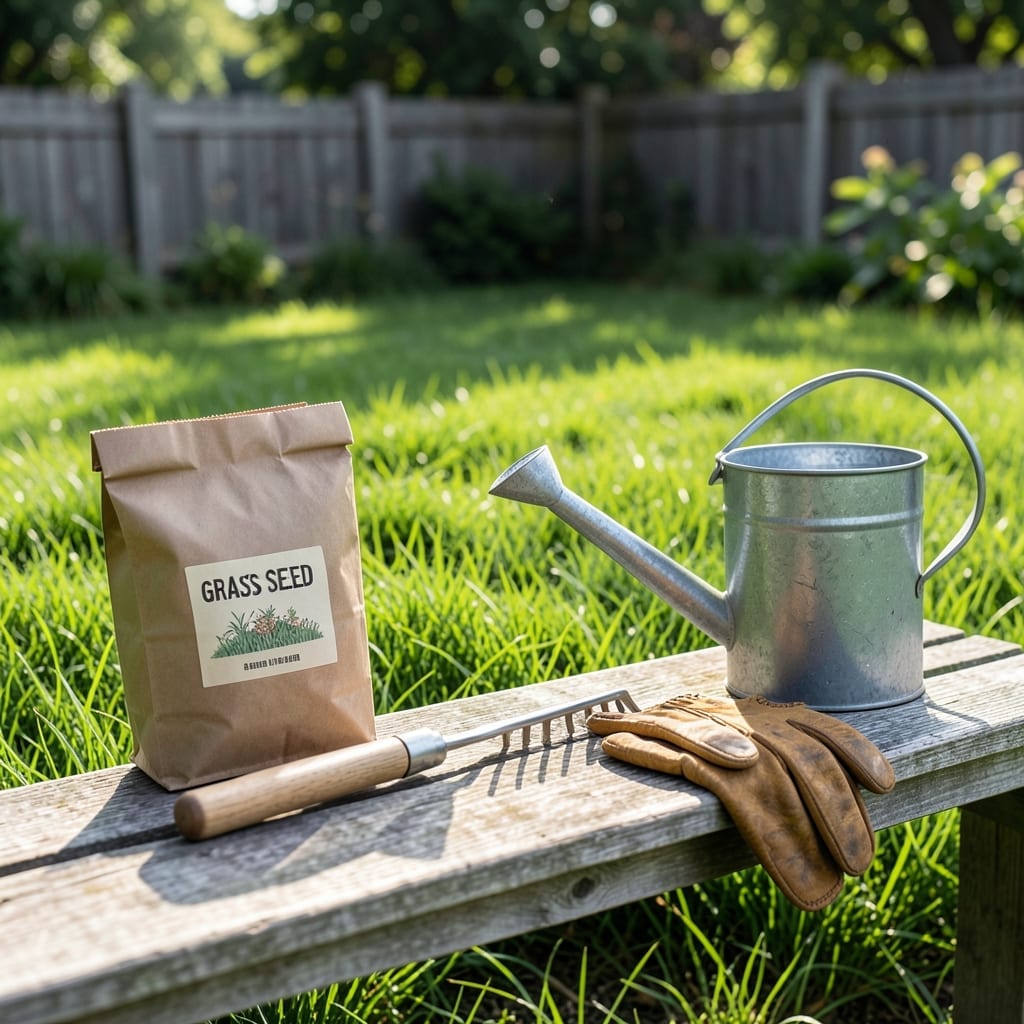
Timing is everything when planting Grass 🌱 in Pennsylvania during fall. The right window ensures strong root growth before winter, leading to a lush, resilient lawn next spring.
In zones 6a-7b, late August to mid-October is prime time. This period gives your Grass the best chance to establish itself before the first frost hits.
I’ve seen too many people plant too late and watch their efforts wash away with winter rains. Don’t let that be you. Discover the exact timing that works for Pennsylvania’s unique climate.
Let me walk you through the most important factors to consider for your fall planting success. Your future lawn will thank you.
In Pennsylvania, the ideal time to plant grass seed in fall is from late August to mid-September. This window allows roots to establish before winter dormancy begins.
For cooler areas like the Poconos or northwest PA, you can extend planting into early October. Soil temps should stay between 50-65°F for best germination.
| USDA Zone | Optimal Planting Window | Secondary Window |
|---|---|---|
| 5a-6a | Late August to mid-September | Early October |
| 6b-7a | Early September to late September | Early October |
Pennsylvania spans USDA zones 5a-7a, so your exact timing depends on your location. In zone 7a (Philly area), you can plant as late as mid-October.
I always check the 10-day forecast before seeding. You want no frost for at least 4-6 weeks after planting to ensure strong root growth before winter.
Soil temperature is more critical than air temp. Use a soil thermometer to confirm it’s above 50°F at a 2-inch depth before seeding.
For Kentucky bluegrass or tall fescue, the most popular cool-season grasses in PA, this timing ensures they’ll establish well before the first frost.
Avoid planting after mid-October in most areas. Late plantings often result in weak roots that may not survive winter stress or early spring weeds.
If you’re in southeastern PA, you might push to late October, but I recommend adding a winterizer fertilizer 6 weeks after germination for extra protection.
Remember, fall planting has advantages: cooler temps reduce water evaporation, weeds are less competitive, and the soil stays moist longer. This gives your new grass the best start possible. 🌱
Planting grass seed in Pennsylvania fall starts with soil prep. I always test my soil pH first—aim for 6.0-7.5 for cool-season grasses like Kentucky bluegrass or tall fescue.
Next, aerate your lawn to improve seed-to-soil contact. This step is critical for new lawns and overseeding existing ones. Use a core aerator for best results.
For seed selection, stick with cool-season varieties. Tall fescue handles PA’s heat, while Kentucky bluegrass thrives in cooler areas. Mixes work well for most lawns.
Use a broadcast spreader for even distribution. I recommend 16 seeds per square inch for new lawns, 8-10 seeds for overseeding. Always follow the bag’s coverage rate.
After planting, water is critical. Keep soil moist but not soggy. Water 2x daily for 10-15 minutes until germination, then reduce to 1x daily.
Finally, avoid heavy foot traffic for 4-6 weeks. Your new grass needs time to establish strong roots before winter. Patience pays off with a lush lawn next spring. 🌱