
Beautiful Plants For Your Interior
Beautiful Plants For Your Interior
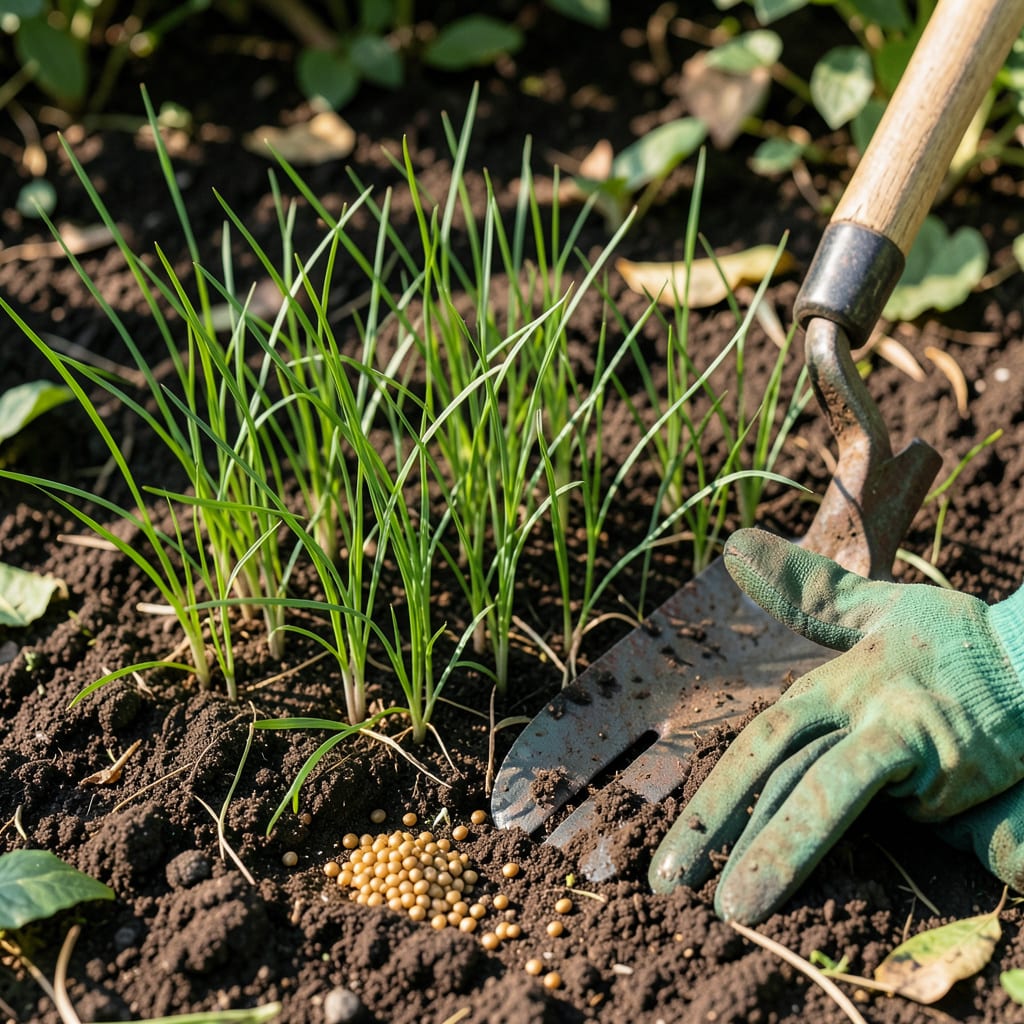
Minnesota’s unpredictable weather can make lawn care challenging, but knowing when to plant 🌿 Grass seed can transform your yard. In Minnesota’s USDA Zone 4-5 climate, timing is everything for successful germination.
The ideal time to plant Grass seed is during spring or late summer to early fall. Understanding these optimal planting windows is key to achieving a lush, healthy lawn that thrives throughout the growing season.
In Minnesota, the ideal time to plant grass seed depends on the state’s climate zones and soil temperature. The state’s USDA Zone 4-5 climate means that the optimal planting windows are during spring and late summer to early fall.
Understanding these optimal planting windows is crucial for achieving a lush, healthy lawn that thrives throughout the growing season. The key factors to consider are soil temperature, frost dates, and the specific climate zone in Minnesota.
The spring planting window typically occurs in late April to early May when the soil temperature reaches 60-75°F
. This allows for optimal germination and establishment before the heat of summer. The late summer to early fall planting window is usually in mid-August to early September, about 8 weeks before the first frost. This timing enables the new grass to establish itself before winter.It’s essential to note that soil temperature is a critical factor in determining the best time to plant grass seed in Minnesota. The ideal soil temperature for germination is between 60-75°F, which typically occurs during the spring and late summer/early fall periods.
Minnesota’s climate zones also play a significant role in determining the best time to plant grass seed. The state’s USDA Zone 4-5 climate means that the optimal planting windows may vary depending on the specific location within the state.
In addition to soil temperature and climate zones, frost dates are also an important consideration. Planting grass seed at the right time relative to the last spring frost and the first fall frost can significantly impact the success of germination and establishment.
For successful germination and establishment, it’s crucial to choose a grass type that is well-suited to Minnesota’s climate. Cool-season grasses are typically recommended for the state’s climate, as they thrive in the cooler temperatures of spring and fall.
By understanding the optimal planting windows and factors that influence grass seed germination and establishment, Minnesota homeowners can achieve a lush, healthy lawn that thrives throughout the growing season 🌿.
Proper lawn care practices, including soil testing, aeration, and fertilization, can also contribute to a successful grass seed planting.
By following these guidelines and considering the specific climate and soil conditions in Minnesota, homeowners can enjoy a beautiful, thriving lawn for years to come.
Before planting grass seed in Minnesota, proper lawn preparation is crucial for successful germination and establishment. The first step is soil testing to determine your lawn’s pH level and nutrient content.
Based on your soil test results, you may need to adjust the pH or add specific nutrients to create optimal growing conditions for your new grass.
Conduct a soil test to determine pH and nutrient levels. This helps identify necessary amendments for optimal grass growth 🌱.
Aerate your lawn to improve soil drainage, reduce soil compaction, and promote healthy root growth.
Remove debris, dead grass, and weeds to create a clean seedbed. This ensures good seed-to-soil contact and promotes even germination.
Choose a cool-season grass type suitable for Minnesota’s climate, such as Kentucky bluegrass or perennial ryegrass.
By following these essential preparation steps, you can create an ideal environment for your grass seed to germinate and establish a healthy, thriving lawn 🌿.
Proper preparation also includes raking the soil to create a smooth surface and lightly compacting it to ensure good seed-to-soil contact.
After preparing your lawn, you’re ready to plant your grass seed during the optimal spring or late summer to early fall planting windows.
By combining proper preparation with timely planting, you’ll be well on your way to achieving a lush, healthy lawn that thrives throughout the growing season.
After planting grass seed in Minnesota, proper post-planting care is essential for successful germination and establishment. The key to a healthy, thriving lawn is consistent moisture, especially during the germination period 🌿.
Keep the soil consistently moist during the first few weeks after planting. Water lightly but frequently to prevent washing away the seeds or causing them to become dislodged.
Water your newly seeded lawn daily during germination, then gradually reduce frequency as seedlings establish.
Watering schedule is critical during the germination period. Water your newly seeded lawn daily, keeping the soil consistently moist but not waterlogged.
As the seedlings establish, you can gradually reduce the frequency of watering to about 1 inch per week, either through rainfall or irrigation.
Fertilization is another crucial aspect of post-planting care. Apply a starter fertilizer when you plant the grass seed to promote healthy growth and development.
Avoid over-fertilizing, as this can damage the young seedlings. Follow the recommended application rates on the fertilizer package.
Mowing height is also important for maintaining a healthy lawn. Keep your mower blade at a height of 2.5-3 inches to promote deep root growth and prevent weed invasion.
By following these post-planting care tips, you can help ensure successful germination and establishment of your new grass seed, resulting in a lush, healthy lawn that thrives throughout the growing season 🌿.
Proper post-planting care can make a significant difference in the success of your grass seed planting. By maintaining consistent moisture, fertilizing appropriately, and mowing at the right height, you’ll be well on your way to enjoying a beautiful, thriving lawn.
The best times to plant grass seed in Minnesota are during spring (late April to early May) and late summer to early fall (mid-August to early September). These periods offer optimal soil temperatures between 60-75°F for germination.
Start by conducting a soil test to determine your lawn’s pH level and nutrient content. Then, aerate your lawn to improve drainage and reduce compaction. Remove debris and weeds, and choose a cool-season grass type suitable for Minnesota’s climate.
Keep the soil consistently moist during the first few weeks after planting by watering daily during germination. Gradually reduce frequency to about 1 inch per week as seedlings establish. Proper watering is crucial for successful germination.
Cool-season grasses like Kentucky bluegrass and perennial ryegrass are typically recommended for Minnesota’s climate. They thrive in the cooler temperatures of spring and fall, making them ideal for the state’s USDA Zone 4-5 climate.
