
Beautiful Plants For Your Interior
Beautiful Plants For Your Interior
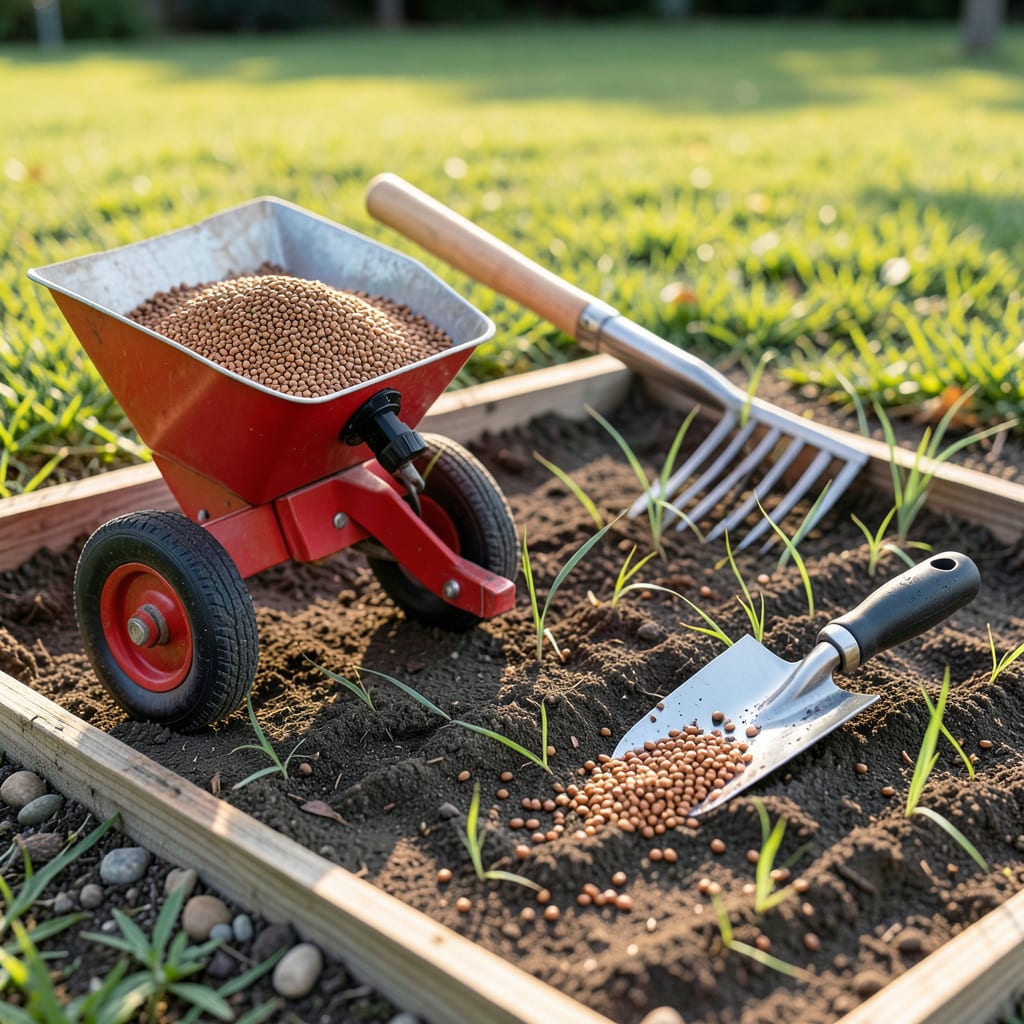
Timing can make or break your Arkansas lawn—plant 🌱 too early and frost might wipe it out, too late and summer heat could fry your efforts. I’ve seen too many homeowners waste money on seed that never takes because they missed the sweet spot.
After years of testing and talking to local experts, I’ll show you the exact windows for your zone—whether you’re in the Ozarks or the Delta. No guesswork, just a lush lawn that thrives in Arkansas’s unpredictable climate. Let’s get it right the first time.
If you’ve ever struggled with patchy grass or weak germination, I’ve got good news: Arkansas’s climate is actually perfect for growing lush lawns—if you time it right. The key is matching your grass type to the optimal soil temperatures and frost dates for your specific zone. Cool-season grasses like tall fescue thrive in early fall, while warm-season varieties like Bermuda need late spring heat.
Arkansas spans USDA zones 6b–8a, meaning your planting window shifts slightly depending on whether you’re in the Ozarks (cooler) or the Delta (warmer). For example, Fayetteville gardeners can plant 2 weeks earlier in spring than those in Little Rock. Let’s break down the exact months for each grass type and region.
Pro Tip: Use a soil thermometer to check temps at 2-inch depth—this is more accurate than air temperature!
For cool-season grasses, I always recommend planting in early fall (September to mid-October). The soil is still warm from summer, but cooler air temperatures reduce stress on new seedlings. Plus, you’ll avoid the summer droughts that can wipe out young grass. In Zone 6b (like Eureka Springs), aim for earlier planting; in Zone 8a (like Texarkana), you can push it to late October.
Warm-season grasses like Bermuda or Zoysia need late spring planting (April–June) when soil temps hit 70°F+. I’ve seen Arkansas lawns fail because folks planted too early—cold soil causes seeds to rot. If you’re in the Delta region, you can plant slightly earlier than the Ozark Highlands due to warmer microclimates.
Here’s a trick I use: Check the 10-day forecast before planting. You want no heavy rain (which can wash seeds away) and nighttime temps above 50°F for cool-season grasses. For warm-season types, ensure no late frosts are predicted. Arkansas’s last frost date ranges from April 1 (Zone 8a) to April 15 (Zone 6b).
If you’re overseeding a warm-season lawn with ryegrass for winter green, plant in early October. This gives the ryegrass time to establish before the first frost (around November 15 in most of Arkansas). Just remember: ryegrass will die out when summer heat returns, so it’s a temporary fix.
For clay-heavy soils (common in central Arkansas), I recommend aerating before planting and mixing in compost to improve drainage. In sandy soils (like the Grand Prairie region), add organic matter to retain moisture. A soil test is
Even with perfect timing, your Arkansas lawn can fail if you make these common mistakes. I’ve seen too many homeowners waste time and money by overlooking key details—like soil prep or watering schedules. Let’s fix that before you sow a single seed.
The biggest error? Planting in summer. Arkansas heat and drought stress young grass, leading to poor germination or weak roots. Another killer: skipping soil tests. Our state’s clay-heavy soil often needs amending before planting. Here’s what to watch for.
Cool-season grasses in summer = disaster. Warm-season grasses in fall? They’ll die in frost. Stick to the zone-specific calendar above.
Arkansas clay soil compacts easily. Aerate first, then mix in compost (2–3 inches). For sandy soil (Delta region), add peat moss to retain moisture.
New grass needs daily light watering (1/4 inch) for 2–3 weeks. Too much causes rot; too little dries out seeds. Use a rain gauge to track moisture.
Tall fescue for shade, Bermuda for sun. Planting Kentucky bluegrass in hot southern AR? It’ll burn out by July. Match grass to your sun exposure and traffic levels.
Weeds like crabgrass and dallisgrass choke out new seedling. Apply pre-emergent herbicide 6–8 weeks before planting, or use organic mulch (straw) after sowing.
I’ll admit, I once lost a whole lawn by planting Bermuda in October. The first frost hit, and every seed died. Lesson learned: warm-season grasses need soil temps above 70°F—no exceptions. If you’re unsure, grab a soil thermometer (they’re cheap!) and check at 2-inch depth.
Another pro tip: Don’t bury seeds too deep. For most grasses, 1/4-inch depth is ideal. Use a lawn roller after sowing to ensure good seed-to-soil contact. In sloped areas, cover seeds with straw mulch to prevent erosion during rain.
If you’re dealing with heavy shade (common in Arkansas’s wooded lots), avoid Bermuda or Zoysia—they’ll thin out. Instead, opt for fine fescue or shade-tolerant tall fescue blends. And remember: mow high (3–4 inches) to encourage deep roots and crowd out weeds.
Finally, don’t expect instant results. Grass seed takes 7–21 days to germinate, and 6–8 weeks to establish. Be patient, keep watering, and avoid heavy foot traffic. Your reward? A thick, resilient lawn that handles Arkansas’s humidity and heat like a champ. 🌱
Choosing the right grass for your Arkansas lawn isn’t just about looks—it’s about survival. Our state’s wild temperature swings and humidity demand grasses that can handle heat waves one week and near-freezing snaps the next. After testing dozens of varieties, I’ve narrowed it down to the top performers for Arkansas’s unique climate.
Cool-season grasses like tall fescue and Kentucky bluegrass shine in our fall and spring, while warm-season types like Bermuda and Zoysia dominate the summer heat. The secret? Matching the grass to your specific region—what thrives in the Ozarks might struggle in the Delta. 🌱
Thrives in shade; handles cold snaps well. Best for northern AR (Zones 6b–7a).
Lush, dense lawns but needs frequent watering. Mix with fescue for durability.
Low-maintenance; tolerates poor soil. Ideal for shady, low-traffic areas.
Drought-resistant; loves full sun. Goes dormant in winter (turns brown).
Slow to establish but low-maintenance. Struggles in heavy shade.
Acid-loving; minimal fertilizer needed. Poor cold tolerance (Zone 8a only).
Arkansas Pro Tip: For transition zones (like Little Rock), blend tall fescue + Bermuda for year-round green!
If you’re in northern Arkansas (Zones 6b–7a), tall fescue is your best bet. It stays green 9–10 months of the year and handles our freeze-thaw cycles like a champ. For southern Arkansas (Zones 7b–8a), Bermuda or Zoysia will give you a heat-tolerant lawn that bounces back from droughts.
Here’s a trick I learned from Arkansas Extension agents: For high-traffic areas (like kids’ play zones), mix tall fescue with 10% Kentucky bluegrass. The bluegrass spreads to repair bare spots, while the fescue holds up to wear. In shady yards, skip the warm-season grasses entirely—they’ll thin out without 6+ hours of sun.
For drought-prone regions (like the Ouachitas), I recommend ‘TifTuf’ Bermuda—it uses 30% less water than standard Bermuda. If you’re in the Delta, where soils are heavier, ‘Arkansas 91’ tall fescue was bred specifically for our clay soil and humidity. Both varieties are game-changers for local lawns. 🌿
Remember, no grass is zero-maintenance in Arkansas. Cool-season types need fall aeration and spring feeding, while warm-season grasses demand summer watering and winter overseeding for year-round color. Test your soil’s pH first—most Arkansas lawns need lime to balance acidity, especially if you’re planting centipede or Zoysia.
Tall fescue is your top choice for shade tolerance. It thrives with just 4–6 hours of sunlight and handles Arkansas’s clay soil well. For deeper shade, mix in fine fescue—it’s low-maintenance and stays green longer.
Even with daily watering, summer planting is risky in Arkansas. The combination of 90°F+ temps and high humidity stresses seedlings. Stick to early fall (Sept–Oct) for cool-season grasses or late spring (April–May) for warm-season types.
Test soil temperature at 2-inch depth—it should be 50–65°F for cool-season grasses or 70°F+ for warm-season types. Also, grab a handful: if it crumbles easily (not sticky or dusty), it’s ready. A soil test kit ($15) checks pH and nutrients.
Bermuda grass germinates in 7–14 days under ideal conditions (warm soil, full sun). For cool-season options, ryegrass sprouts in 5–10 days but dies in summer. Use it for temporary winter green.
Wait until the grass reaches 3–4 inches tall (usually 6–8 weeks after planting). Early foot traffic compacts soil and uproots delicate seedlings. If you must cross the area, lay down plywood to distribute weight.
