
Beautiful Plants For Your Interior
Beautiful Plants For Your Interior
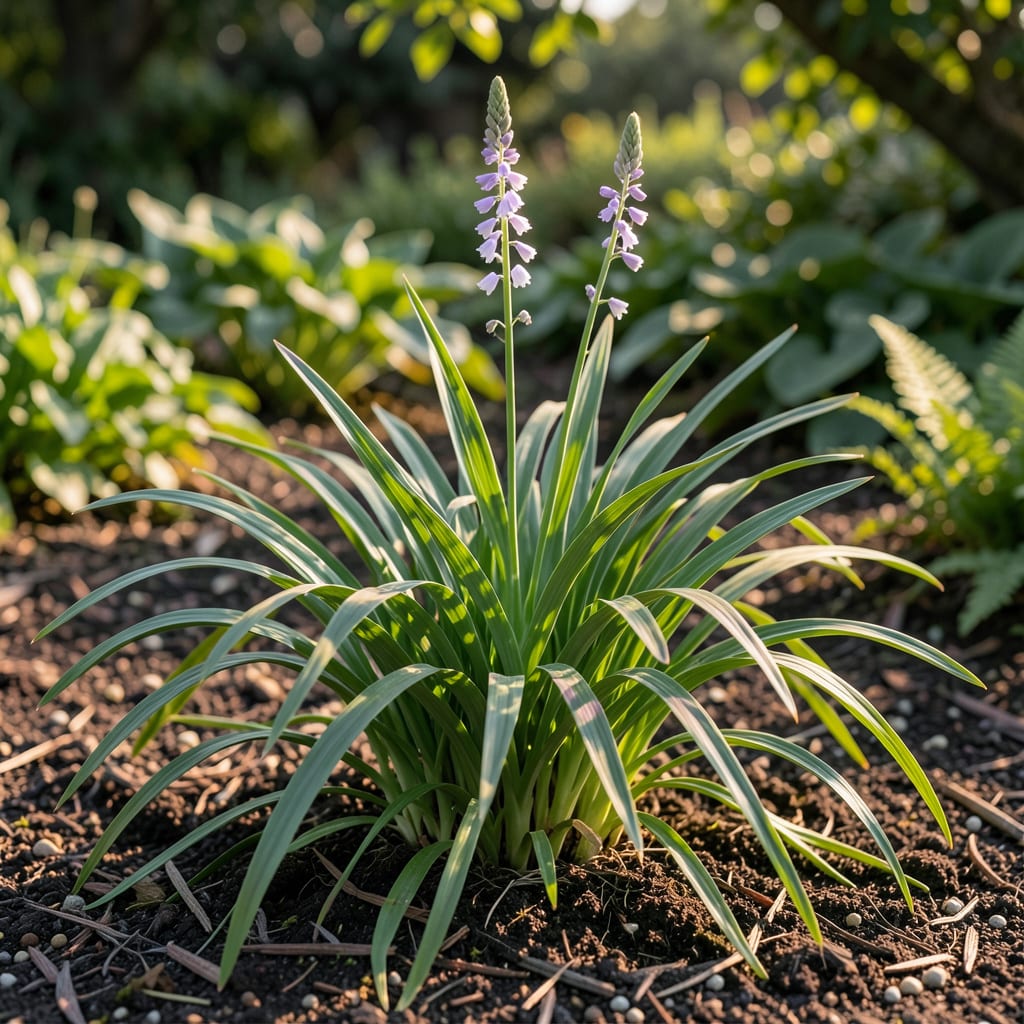
Timing your spring grass planting can make or break your lawn’s success. Plant too early, and late frosts might wipe out your efforts. Wait too long, and summer heat could stress those tender new blades before they even take root.
I’ve seen too many homeowners waste time and money by guessing when to plant 🌾. The good news? There’s a perfect window—and it’s easier to hit than you think. Let me show you exactly how to time it right for a lush, thriving lawn that’ll be the envy of your neighborhood.
Getting your spring grass planting timing right starts with understanding your local climate. I’ve found that soil temperature—not just the calendar—is the secret to success. Cool-season grasses like Kentucky Bluegrass thrive when soil hits 50–65°F, while warm-season types need 70°F+.
Your USDA Hardiness Zone plays a huge role too. In Zone 5, early April is ideal, but Zone 9 gardeners should wait until late March or early April. Always check your last frost date—planting too early risks losing seedlings to a surprise cold snap. 🌱
| Region | USDA Zones | Cool-Season Grasses | Warm-Season Grasses | Soil Temp Threshold |
|---|---|---|---|---|
| Northeast | 3–6 | Early April | Late May | 55°F+ |
| Midwest | 4–7 | Mid-March | Early May | 50°F+ |
| South | 7–10 | Late Feb | March–April | 70°F+ |
| West | 5–9 | March | April–May | 60°F+ |
*Plant when soil temps are consistent for 5+ days.
For cool-season grasses like Tall Fescue or Ryegrass, aim for early spring planting. These varieties establish quickly in cooler temps but struggle in summer heat. I recommend seeding 4–6 weeks before your last frost date for best results.
Warm-season grasses (think Bermuda or Zoysia) need patience. Plant them after soil reaches 70°F, usually late spring. Rushing this risks poor germination. In Zone 8+, you can plant as early as March, but cooler zones should wait until May.
Don’t forget to check your soil moisture too. Overly wet soil from spring rains can rot seeds, while dry conditions stall growth. I use a soil thermometer and moisture meter to take the guesswork out. If your soil is still muddy, wait a week—patience pays off!
For overseeding existing lawns, timing shifts slightly. Cool-season overseeding works best in early fall, but if you must do it in spring, choose fast-germinating varieties like Perennial Ryegrass and plant by mid-April to avoid summer stress.
Pro tip: Use a pre-emergent herbicide before planting to control weeds, but avoid it after seeding—it’ll block grass growth too. If weeds are a problem, I recommend hand-pulling or spot-treating with vinegar before you plant. ✂️
Remember, local microclimates matter! Urban areas warm faster than rural spots, and south-facing yards dry out quicker. Adjust your timing based on your specific conditions, not just regional averages. When in doubt, call your local extension office for hyper-local advice.
By focusing on soil temp, grass type, and regional climate, you’ll nail the perfect planting window. Do this right, and you’ll be enjoying a thick, green lawn by summer—without the stress of reseeding or patchy spots. 🌿
Spring grass planting seems straightforward, but I’ve seen even experienced gardeners make costly errors. The biggest mistake? Ignoring soil temperature—planting when the ground is still cold (below 50°F) leads to poor germination. Another common blunder is skipping soil prep, like aeration or pH testing.
Timing isn’t just about the calendar—it’s about local conditions. Planting too early risks frost damage, while waiting too long means young grass struggles in summer heat. I’ll walk you through the top 5 pitfalls and how to avoid them for a lawn that thrives.
One mistake I see often is overseeding without planning. If you’re patching bare spots, match the existing grass type to avoid uneven growth. For new lawns, Tall Fescue is forgiving in spring, while Zoysia struggles if planted too early in cooler zones.
Watering mistakes are another lawn killer. New grass needs light, frequent watering (daily for the first 2 weeks), but many gardeners drown seeds or let soil dry out. A rain gauge helps track moisture—aim for 1 inch per week, including rainfall.
Don’t forget post-planting care! Avoid heavy foot traffic for 4–6 weeks, and hold off on fertilizer until after the first mowing. I recommend a starter fertilizer (like 10-10-10) at planting, then a high-nitrogen feed 6 weeks later.
If you’ve made these mistakes before, don’t worry—even pros learn the hard way. The key is soil temp, grass type, and consistent moisture. Follow these rules, and you’ll have a lush, green lawn by summer. 🌱
Choosing between cool-season and warm-season grass can feel overwhelming, but spring planting makes it simpler. I always tell gardeners: match your grass type to your climate and planting window. Cool-season varieties like Kentucky Bluegrass or Tall Fescue thrive in early spring’s cooler temps.
Warm-season grasses, such as Bermuda or Zoysia, need patience—they won’t germinate well until soil hits 70°F+, usually late spring. Plant them too early, and you’ll waste seed and effort. In Zone 7 and below, I recommend sticking with cool-season types for spring success. 🌱
For overseeding thin lawns, cool-season grasses are your best bet in spring. Varieties like Perennial Ryegrass germinate quickly and fill gaps before summer. If you’re establishing a new lawn, consider a mix of Tall Fescue and Kentucky Bluegrass for durability and color.
Warm-season grasses shine in late spring plantings (May–June) where summers are hot. Bermuda handles heat and drought well, while Zoysia offers a dense, weed-resistant turf. Just remember: these grasses go dormant in winter, turning brown until spring returns. ☀️
Not sure which to choose? Look at your summer temps. If you regularly hit 90°F+, warm-season grass is worth the wait. For milder summers, cool-season varieties stay green longer. I always suggest checking with your local nursery for hyper-local recommendations.
Pro tip: If you’re in a transition zone (like Zone 7), consider a mixed lawn with both types. Plant cool-season grass in spring for early greening, then let warm-season varieties take over in summer. This gives you year-round green with less effort! ✂️
Cool-season grasses like Kentucky Bluegrass thrive when soil reaches 50–65°F. For warm-season types like Bermuda, wait until soil hits 70°F+. Use a soil thermometer to check temps at 2-inch depth for accuracy.
It’s better to wait 1–2 weeks after your last frost date. This ensures soil has warmed enough for germination. In Zone 5, that’s typically early April, while Zone 7+ can plant earlier. Always check soil moisture too—muddy conditions delay planting.
Water lightly daily for the first 2 weeks, keeping soil moist but not soggy. After germination, shift to 1 inch per week (including rain). Early morning watering prevents evaporation and fungal growth. A rain gauge helps track moisture accurately.
Perennial Ryegrass germinates in just 5–7 days, making it ideal for quick spring results. Tall Fescue is another fast option (7–14 days). Both tolerate cooler temps better than warm-season varieties. For overseeding, these types fill patches quickly.
Planting too early in cold soil (below 50°F) is the top error. Seeds rot or fail to germinate, wasting effort. Other common missteps: skipping soil prep, overwatering, or choosing the wrong grass type for your climate. Always test soil and match grass to your USDA Zone.
