
Beautiful Plants For Your Interior
Beautiful Plants For Your Interior
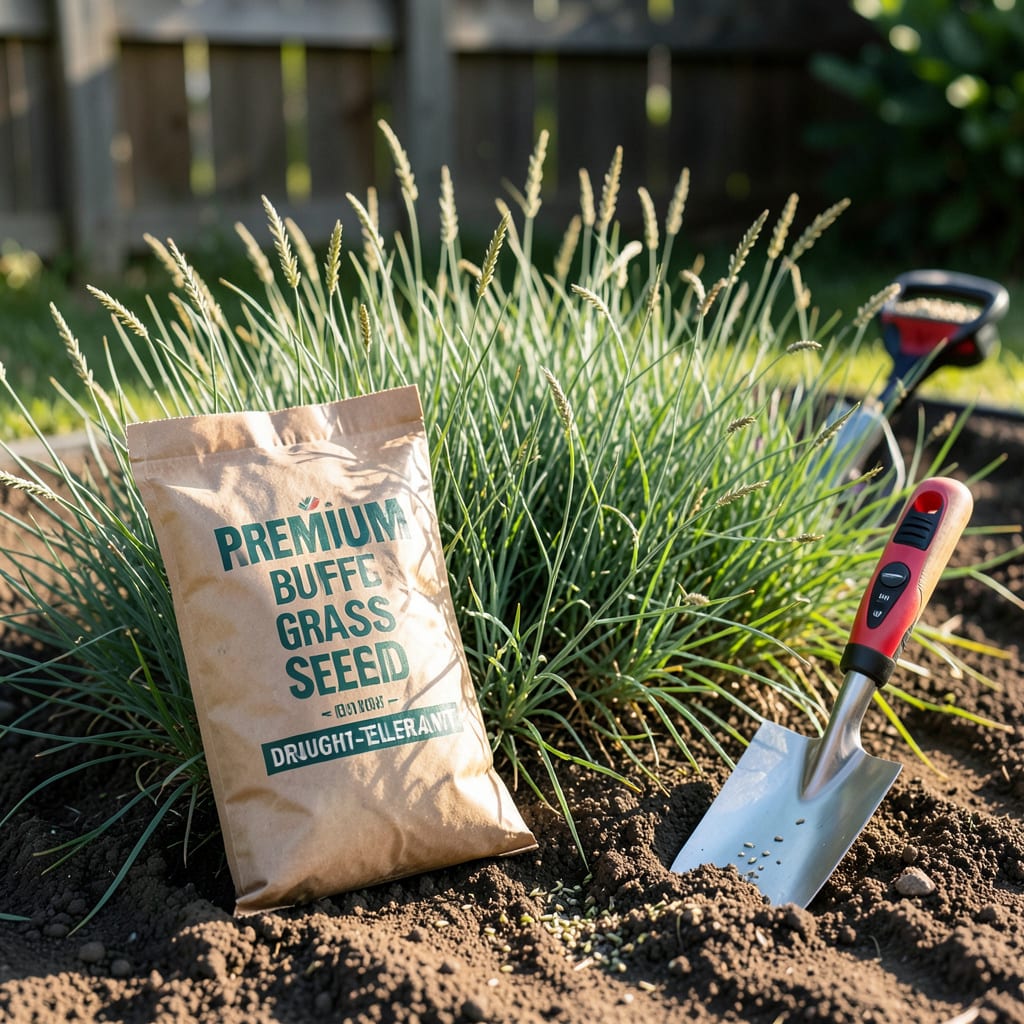
New Mexico’s extreme climate—from scorching deserts to sudden mountain frosts—makes planting 🌱 grass a high-stakes game. One wrong move, and you’re stuck with patchy turf or wasted seed. But here’s the good news: timing your planting to the state’s unique seasons can turn even the driest yard into a lush oasis.
Whether you’re in Albuquerque’s high desert or Santa Fe’s cooler zones, I’ll break down the exact windows for cool-season and warm-season grasses—plus the regional tweaks that make all the difference. No guesswork, just a thriving lawn tailored to New Mexico’s tough conditions.
New Mexico’s dramatic climate swings—from high-desert heat to mountain frosts—make timing critical for grass success. Plant too early, and late frosts can kill tender sprouts. Wait too long, and scorching temps will stress young roots. The key? Matching your grass type to your region’s microclimate.
Our state spans USDA zones 4–9, meaning what works in Santa Fe’s cool nights won’t thrive in Las Cruces’ desert sun. Cool-season grasses like Kentucky bluegrass need fall planting in warmer zones, while Bermudagrass demands late-spring heat to establish. Let’s break it down by region and grass type.
| Region | Grass Type | Best Planting Months | Key Considerations |
|---|---|---|---|
| Northern NM (Zones 4-6) | Cool-Season (Fescue, Rye) | Aug–Sept | Plant 6-8 weeks before first frost (Oct 15). |
| Central NM (Zones 7-8) | Warm-Season (Bermuda, Zoysia) | May–June | Soil temps must hit 65°F+ for germination. |
| Southern NM (Zones 8-9) | Drought-Tolerant (Buffalograss, Blue Grama) | April–May | Avoid monsoon season (July–Aug) to prevent washout. |
| High Elevation (Santa Fe, Taos) | Cool-Season Mixes | Late Aug–Early Sept | Short growing season—amend soil with compost for faster establishment. |
| Low Desert (Las Cruces, Deming) | Warm-Season (Bermuda, St. Augustine) | April 15–May 30 | Use shade cloth for seedlings if temps exceed 90°F. |
In northern New Mexico (think Taos or Los Alamos), cool-season grasses reign supreme. I recommend planting tall fescue or Kentucky bluegrass in late August to early September. This gives roots time to establish before winter but avoids summer’s drought stress. Pro tip: Use a starter fertilizer high in phosphorus to boost root growth.
Down south in Las Cruces or Alamogordo, warm-season grasses like Bermudagrass or Buffalograss are your best bet. Plant April through May when soil temps consistently hit 65°F. These grasses thrive in heat but need deep watering (1–1.5 inches weekly) during establishment. Avoid planting in June—the intense sun can desiccate young seedlings.
For Albuquerque and central NM (zones 7–8), you’ve got options! Warm-season grasses planted in late May will peak in summer, while cool-season mixes sown in early September stay green longer. My go-to for this region? A 50/50 mix of tall fescue and Bermudagrass for year-round coverage. Just be ready to overseed thin spots in fall.
Don’t overlook soil prep—New Mexico’s clay-heavy or sandy soils often need amending. Work in 2–3 inches of compost before planting to improve water retention. In desert areas, consider hydrogel crystals to help seeds stay moist. And always test your soil pH—grass prefers 6.0–7.5. Adjust with lime or sulfur if needed.
Watering is where most folks go wrong. New seedlings need light, frequent watering (daily for 10–15 mins) until established, then deep, infrequent soaks (1 inch weekly). In monsoon season (July–Aug), cut back on irrigation to avoid fungal issues. Use a rain gauge to track moisture—don’t guess!
If you’re in a water-restricted area, consider native alternatives like Blue Grama or Buffalograss. These need 50% less water than traditional turf and thrive in our alkaline soils. They’ll go dormant in winter but green up beautifully with spring rains. Pair them with clover or creeping thyme for a pollinator-friendly lawn.
Avoid the #1 mistake I see: planting too late in fall. Cool-season grasses need 45–60 days of growth before frost. In Albuquerque, that means seeding by September 15. Miss this window, and you’ll be reseeding next spring. Similarly, warm-season grasses planted after June 1 often struggle to root deeply before summer heat peaks.
Finally, match your grass to your lifestyle. Love a lush lawn? Go for Kentucky bluegrass (higher water needs). Want low-maintenance? Buffalograss stays short and needs mowing just 2–3 times/year. For shaded areas, fine fescue is your best bet—just keep it moist during establishment.
Remember, New Mexico’s microclimates can vary wildly even within a single county. When in doubt, check with your local cooperative extension for hyper-local advice. And if your first attempt doesn’t thrive? Don’t stress—even the pros sometimes need a second try to nail the timing! ✂️
Planting grass in New Mexico isn’t like planting in cooler, wetter climates. Our arid conditions and temperature swings demand extra prep work. I’ve seen too many lawns fail because folks skipped soil testing or misjudged watering. Let’s walk through the critical steps to get it right the first time.
Start with a soil test—it’s non-negotiable here. New Mexico soils often lean alkaline (pH 7.5+) or suffer from poor drainage. Grab a test kit from your county extension office (they’re usually free!). If your pH is off, amend with sulfur to lower it or lime to raise it. Aim for 6.0–7.0 for most grasses.
Never plant grass seed without addressing soil compaction first. New Mexico’s clay-heavy soils can suffocate roots. Use a core aerator (rent one for $60/day) to pull 2–3″ plugs before seeding. This improves water penetration and root growth by 30–50%.
Choose your seed wisely—not all grasses thrive here. For cool-season lawns, I recommend turf-type tall fescue (drought-tolerant) or Kentucky bluegrass mixes (if you’ve got irrigation). Warm-season? Bermudagrass handles heat but needs full sun, while Buffalograss survives on half the water once established.
Timing your planting with moisture availability is key. In Albuquerque or Santa Fe, seed cool-season grasses by September 1 to leverage monsoon moisture. Down south in Las Cruces, plant warm-season grasses in April–May but avoid June’s 100°F+ heat. Use a soil thermometer—warm-season seeds need 65°F+ soil temps to germinate.
Watering new grass seed is where most DIYers fail. For the first 2 weeks, water lightly 2x/day (morning/evening) to keep soil moist but not soggy. After germination, shift to deep watering (1″ per week, including rain). In desert zones, add hydrogel crystals to seedbeds—they hold moisture and cut watering needs by 25%.
Mulch your seed with straw (not hay!) to retain moisture and block weeds. Apply a ¼-inch layer—enough to protect seeds but not smother them. Avoid plastic sheeting; it traps too much heat. For slopes, use erosion-control blankets (like coconut fiber mats) to prevent washout during monsoon rains.
Post-planting care makes or breaks your lawn. Mow when grass reaches 3–4 inches, but never remove more than ⅓ of the blade height. Use a sharp mower blade—ragged cuts stress grass. Fertilize 6 weeks after germination with a low-nitrogen mix (like 5-10-10) to encourage roots over leaves. And remember: foot traffic kills young grass—keep kids and pets off for 8–12 weeks!
If your lawn struggles, don’t blame the seed—revisit your watering schedule or soil prep. I’ve rescued countless lawns by adjusting sprinkler run times or adding compost tea to boost microbial activity. And if traditional turf fails? Consider native grass mixes or clover lawns—they’re gaining popularity for their low-water needs and pollinator benefits. 🌱
New Mexico’s harsh climate—with its droughts, alkaline soils, and temperature extremes—can make traditional turfgrass a losing battle. But here’s the secret: our state is home to native grasses and low-water alternatives that thrive where Kentucky bluegrass fails. Let’s explore options that cut water use by 50% or more.
First up: Buffalograss and Blue Grama, two native superstars. Buffalograss stays short and soft (mow just 2–3 times/year) and survives on ½ inch of water/week once established. Blue Grama’s fine texture and drought tolerance make it perfect for sunny spots. Both go dormant in winter but green up with spring rains.
| Option | Water Needs | Mowing | Best For | Drought Tolerance |
|---|---|---|---|---|
| Buffalograss | Low (0.5″/week) | 2–3x/year | Full sun, well-drained soil | ⭐⭐⭐⭐⭐ |
| Blue Grama | Very low (0.3″/week) | Monthly | Rocky/sandy soils | ⭐⭐⭐⭐⭐ |
| Clover Lawn | Medium (1″/week) | Optional | Shade, pollinator-friendly | ⭐⭐⭐⭐ |
| Creeping Thyme | Low (0.5″/week) | Never | Slopes, between pavers | ⭐⭐⭐⭐ |
| Sedum Groundcover | Very low (0.2″/week) | Never | Xeriscapes, rocky areas | ⭐⭐⭐⭐⭐ |
For shaded areas or pollinator gardens, a clover lawn might be your answer. White clover stays green with less water than grass, fixes nitrogen in the soil, and attracts bees. Mix it with low-growing thyme for a fragrant, walkable groundcover. Just note: clover needs more frequent mowing (every 3–4 weeks) to stay tidy.
If you’re ready to ditch turf entirely, consider xeriscaping with drought-resistant plants. Sedum, ice plant, and yucca create a zero-mow landscape that thrives on rainfall alone. Pair them with decomposed granite or gravel pathways for a modern, water-wise yard. Bonus: these plants require zero fertilizer and resist pests.
Don’t overlook soil health with alternatives. Native grasses and groundcovers still need well-draining soil. In clay-heavy areas, amend with pumice or coarse sand (not fine sand!) to improve drainage. For sandy soils, add compost to retain moisture. A 2-inch layer of mulch (like wood chips) will help establish new plantings.
Watering strategies change with alternatives. Drip irrigation works best for groundcovers, delivering water directly to roots. Set timers for early morning to reduce evaporation. In the first year, water deeply 2x/week to establish roots. After that, most natives thrive on rainfall alone. Use a moisture meter ($10 at garden centers) to avoid overwatering.
Planting too late in fall is the top error. Cool-season grasses need 45–60 days to establish before frost. In Albuquerque, that means seeding by September 15. Miss this, and you’ll be reseeding next spring.
No—our state spans USDA zones 4–9. Santa Fe’s high elevation favors cool-season grasses like fescue, while Las Cruces’ desert heat demands warm-season varieties like Bermudagrass. Always match grass type to your zone.
For the first 2 weeks, water lightly 2x/day (morning/evening). After germination, switch to deep watering (1 inch/week). In desert areas, add hydrogel crystals to cut watering needs by 25%.
Buffalograss and Blue Grama need 50% less water and thrive in our alkaline soils. For shade, try clover lawns—they stay green with minimal irrigation and attract pollinators.
For cool-season grasses, plant by September 1 to leverage monsoon moisture. Warm-season varieties do best in late May. Avoid June’s heat—it can desiccate young seedlings before they root.
