
Beautiful Plants For Your Interior
Beautiful Plants For Your Interior
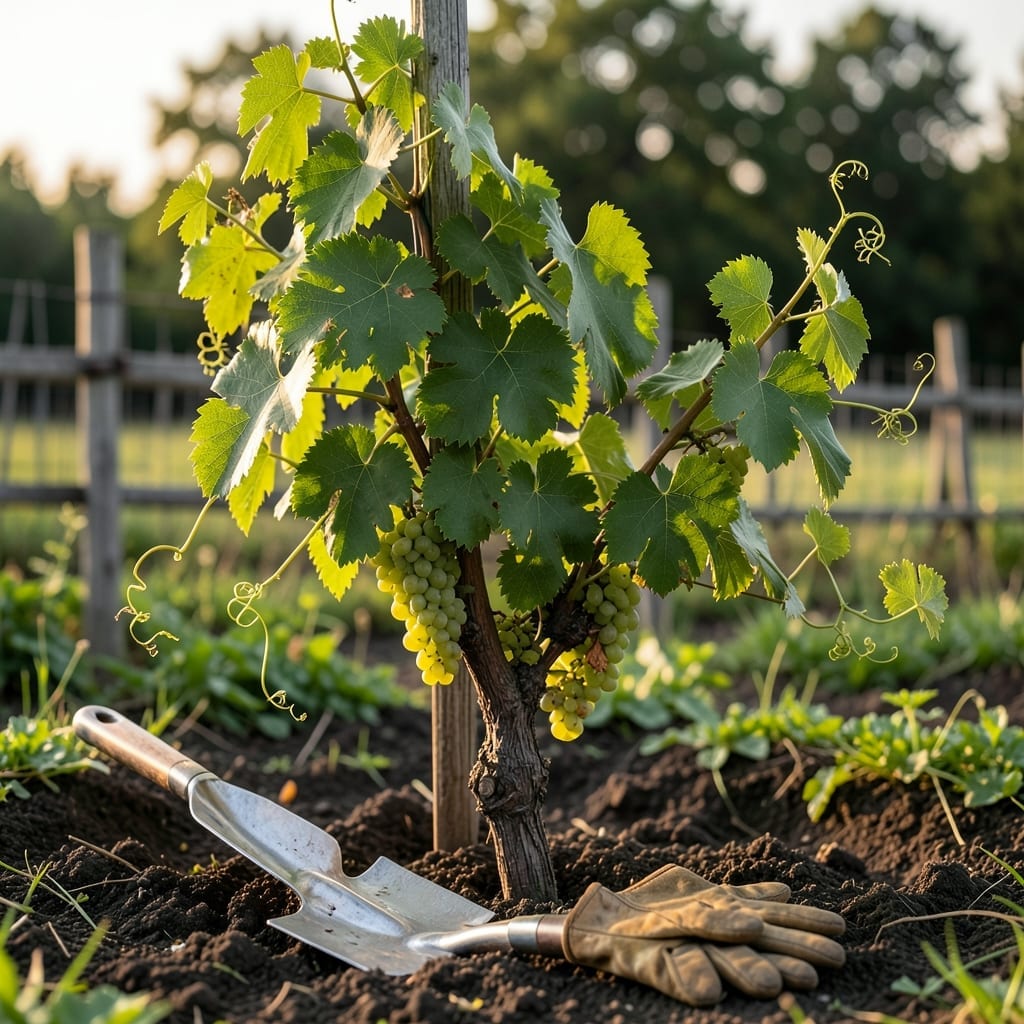
Planting grapes in Virginia isn’t just about digging a hole and hoping for the best. Timing is everything when you want healthy vines that thrive in our climate.
The difference between a struggling vine and one that produces abundant harvests often comes down to when you put it in the ground. In zones 6a-7b, getting this right can save you from costly mistakes.
I’ve seen too many gardeners plant their 🍇 at the wrong time, only to watch them struggle through extreme temperatures. The solution is simpler than you might think.
Discover the precise window that gives your Grape the best start, and learn how to work with Virginia’s unique growing conditions for maximum success.
If you’re growing grapes in Virginia, timing is critical. Our state spans USDA zones 6a-7b, and each has its own ideal planting window to avoid frost damage.
The sweet spot is late winter to early spring, but you’ll need to match this with soil temperatures above 50°F for best root establishment.
| Zone | Planting Window | Last Frost Date | Soil Temp Minimum |
|---|---|---|---|
| 6a | March to early April | April 15 | 50°F |
| 6b | Late February to March | April 10 | 50°F |
| 7a | February to early March | April 5 | 50°F |
| 7b | January to February | March 25 | 50°F |
For bare-root vines, plant in early spring before buds swell. This gives roots time to establish before hot weather arrives.
Container-grown vines can go in after the last frost date, as they’re less sensitive to temperature swings.
I always recommend testing soil temperature with a thermometer. If it’s below 50°F, wait a week or two—cold soil stunts root growth.
In western Virginia, higher elevations may need to wait until mid-April, while coastal areas can start as early as January. Know your microclimate.
Avoid planting in summer heat—new vines struggle with drought stress. Fall planting is risky too, as young roots won’t have time to establish before winter.
If you’re in zone 6a, aim for March 15–April 1. In zone 7b, you can start as early as January 15 if the ground isn’t frozen.
Remember, well-draining soil is just as important as timing. Grapes hate wet feet, so amend heavy clay with compost before planting.
Virginia’s diverse climate supports several grape varieties, each with unique planting needs. Concord grapes, hardy and disease-resistant, thrive in zones 6-7 with early spring planting.
Muscadine varieties prefer warmer zones like 8a and do best when planted in late winter. Their thick skins resist common pests.
| header-cell” style=”padding:12px 16px;text-align:left;font-weight:600;border-bottom:1px solid rgba(255,255,255,.2);”>Ideal Planting Time | body-cell” style=”padding:12px 16px;text-align:left;border-bottom:1px solid rgba(0,0,0,.05);”>Early Spring | body-cell” style=”padding:12px 16px;text-align:left;border-bottom:1px solid rgba(0,0,0,.05);”>Late Winter | body-cell” style=”padding:12px 16px;text-align:left;”>Cabernet Franc | body-cell” style=”padding:12px 16px;text-align:left;”>6-8 |
|---|
Cabernet Franc vines, popular in Virginia vineyards, need mid-spring planting in zones 6-8 for optimal establishment. They require well-draining soil and full sun.
For best results, match your grape variety to your specific zone. Muscadines handle humidity better, while Concords tolerate colder winters.
Always plant bare-root vines in dormant season and container-grown after frost danger passes. This timing prevents transplant shock and encourages strong root growth.
I recommend testing your soil pH before planting. Grapes prefer 6.0-6.5 pH for nutrient uptake. Amend with lime or sulfur as needed to create the perfect foundation for your vines 🌿