
Beautiful Plants For Your Interior
Beautiful Plants For Your Interior
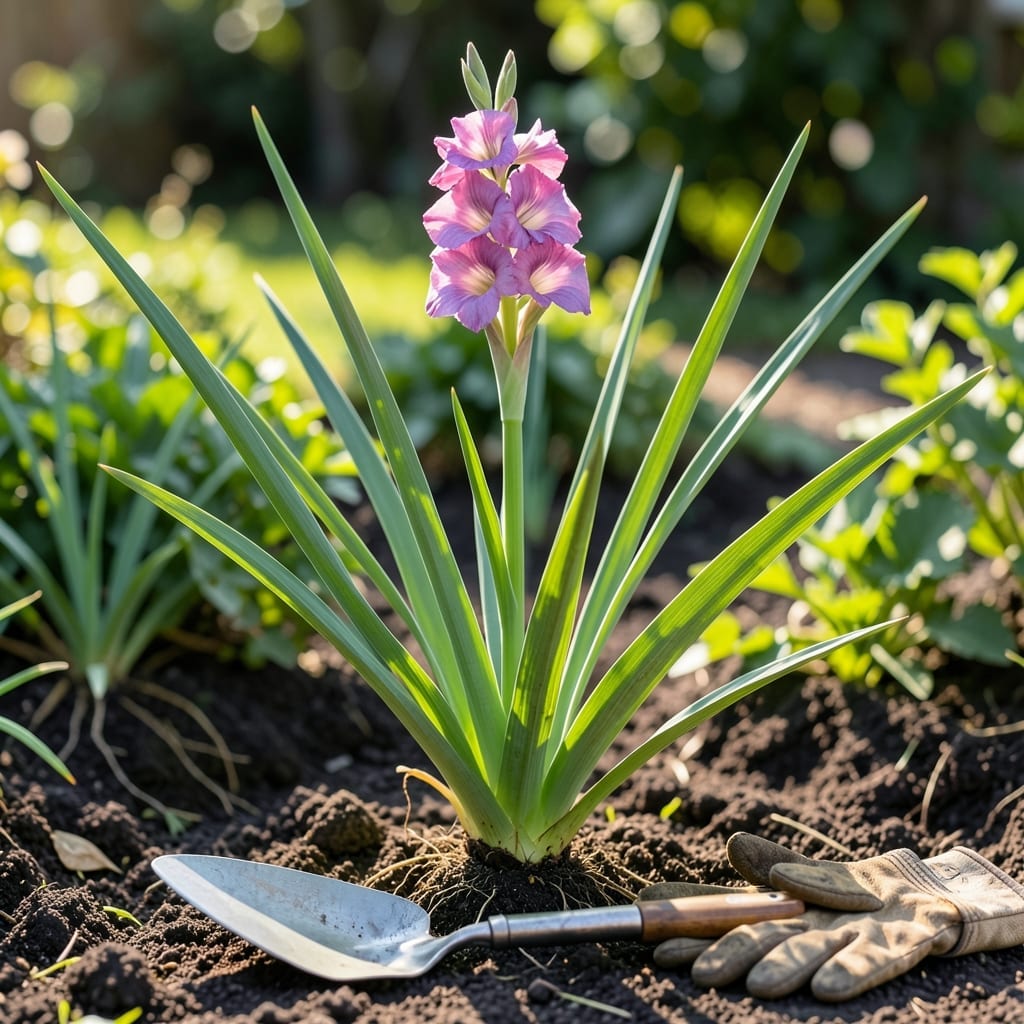
Timing is everything when planting Gladiolus 🌷 bulbs in Tennessee—plant too early and frost may ruin your crop, too late and you’ll miss the prime blooming season.
As someone who’s learned the hard way, I can tell you that getting the schedule right makes all the difference. Tennessee’s climate demands precision, and the window for success is narrower than you might think.
In Zone 7a, you’ll want to aim for a specific timeframe that balances warmth and safety. The good news? It’s easier than you’d expect once you know the signals to watch for.
Discover the exact timing that ensures vibrant, healthy flowers year after year—without the guesswork.
Tennessee’s USDA zones 6a-8a create varied planting windows for gladiolus bulbs. In cooler Zone 6a, wait until mid-April to avoid frost damage. The soil must reach 60°F for optimal growth.
For Zone 7a, like Nashville, late March to early April works best.Warmer Zone 8a allows planting in early March. Always check local last frost dates to be safe.
| Zone | Planting Window | Last Frost Date |
|---|---|---|
| 6a | Mid-April | April 20 |
| 7a | Late March – Early April | April 15 |
| 8a | Early March | March 25 |
I always recommend using a soil thermometer to confirm conditions. Gladiolus bulbs planted in cold soil below 55°F may rot or fail to sprout.
In West Tennessee (Zone 7b-8a), the earlier planting window gives you a head start. East Tennessee’s higher elevation often means waiting a bit longer for warmth.
For successful blooms, aim to plant 2-3 weeks after your last frost date. This timing helps avoid late frosts while ensuring bulbs establish before summer heat.
The ideal soil temperature range is 60-70°F. If you’re unsure, wait until daytime temperatures consistently reach the mid-60s°F.
Remember that gladiolus corms need well-draining soil. In Tennessee’s clay-heavy areas, I suggest amending with compost or sand to improve drainage.
For succession planting, space your plantings 2 weeks apart. This trick extends your blooming season from early summer through fall.
In my experience, morning planting works best. It gives bulbs time to settle before the day’s heat and reduces transplant shock. ☀️
Planting gladiolus bulbs in Tennessee starts with timing. I always wait until after the last frost date, which is around April 15 for most of the state. This ensures the soil is warm enough for strong growth.
Begin by selecting a sunny spot with well-draining soil. Gladiolus thrive in full sun and need at least 6 hours of direct light daily. Test your soil’s drainage by digging a small hole and filling it with water—if it drains within an hour, you’re good to go.
After planting, keep the soil consistently moist but not soggy. I water my gladiolus weekly in spring, increasing to every 3-5 days during hot summer months. A morning watering routine helps prevent fungal issues.
Fertilize lightly with a 5-10-10 formula every 4-6 weeks during the growing season. This encourages strong stems and vibrant blooms. Avoid over-fertilizing, as it can lead to excessive foliage and fewer flowers.
Watch for the first signs of growth, usually within 2-3 weeks. Once the plants reach 6 inches tall, I add a layer of mulch to help retain moisture and keep the soil cool during Tennessee’s warm summers.
With proper care, your gladiolus will reward you with stunning blooms from July to September. Cut stems when the lowest florets begin to open for beautiful indoor arrangements.
Gladiolus grow tall quickly, so plan their placement carefully to avoid shading other plants. 🌷