
Beautiful Plants For Your Interior
Beautiful Plants For Your Interior
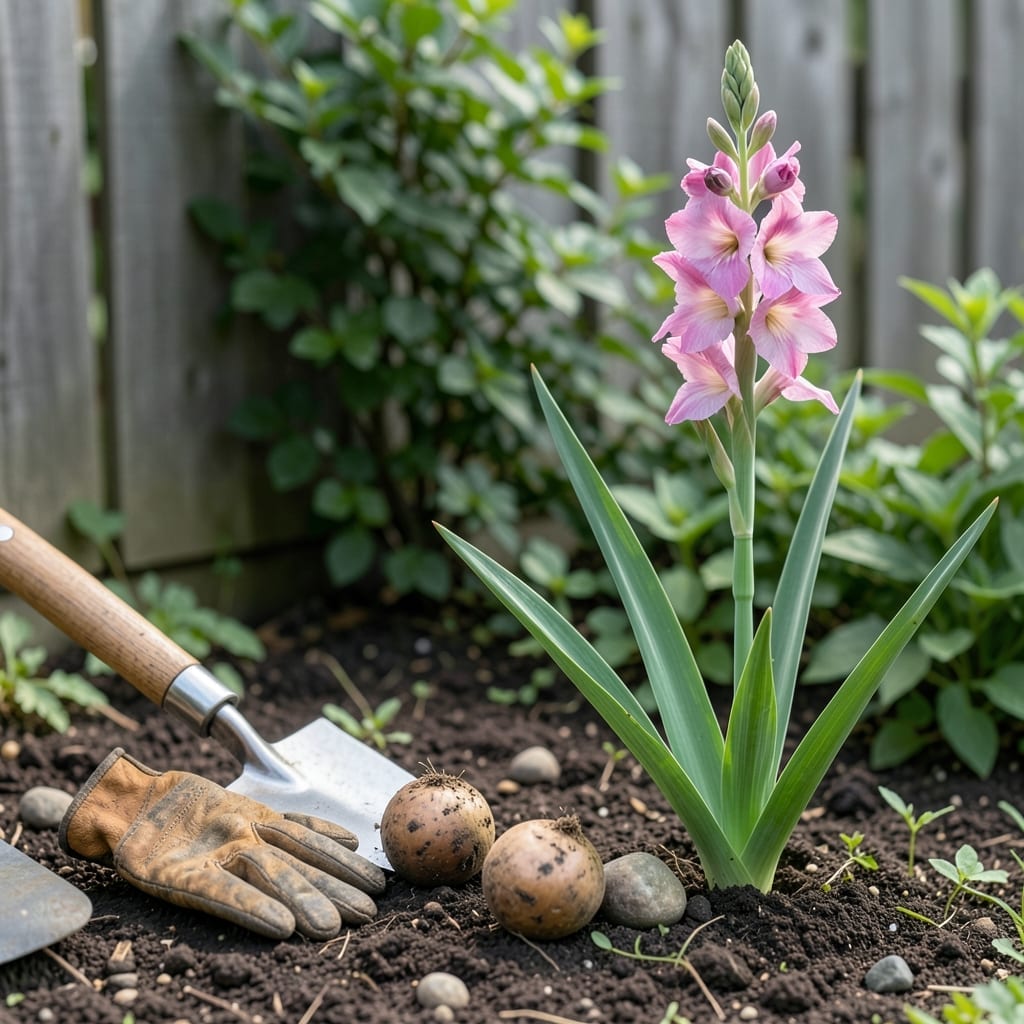
Timing is everything when it comes to planting Gladiolus 🌸. Plant too early, and cold soil may rot the corms; too late, and you’ll miss the peak blooming season.
I’ve learned that getting this right means the difference between a lackluster garden and one bursting with vibrant, long-lasting blooms. The good news? It’s easier than you think to nail the perfect window.
Discover the ideal time to plant for your climate zone and set your garden up for success. Let’s dig in.
Getting your gladioli planting time right is the secret to stunning summer blooms. I’ve found that soil temperature is the most critical factor—60°F or warmer is ideal for corm activation and growth.
Timing varies by region, but generally, you’ll want to plant 2-4 weeks before your last frost date in spring. For warmer zones, fall planting can also work for a second bloom cycle.
| USDA Zone | Planting Window | Frost Consideration |
|---|---|---|
| Zones 3-4 | Late April – May | After last frost |
| Zones 5-6 | Mid-April – May | 2 weeks after frost |
| Zones 7-8 | March – April | Early spring |
| Zones 9-10 | Feb-March or Sept-Oct | Avoid summer heat |
In cooler zones (3-6), I recommend waiting until all danger of frost has passed. The soil needs to warm up, and cold temperatures can cause corm rot or poor germination.
For warmer zones (7-10), you have more flexibility. Early spring planting gives you summer blooms, while fall planting can produce a second flush of flowers before winter.
The key is soil temperature, not just air temperature. I use a soil thermometer to check—when it consistently reads 60°F at 4-inch depth, it’s go time.
If you’re eager to start early, consider pre-sprouting corms indoors in pots. This gives them a head start, but be careful not to transplant too early into cold ground.
Remember that gladiolus corms are sensitive to cold. Even a light frost can damage new growth, so always check your local last frost date before planting.
For the best results, I plant in successive batches every 2 weeks. This extends the blooming season, giving me continuous flowers from early summer to fall.
No matter your zone, well-draining soil is essential. Gladioli hate wet feet, so amend heavy clay with compost or sand before planting. ☀️
Once you’ve determined your planting window, proper technique ensures strong growth. I always start with well-prepared soil, loosened to 12-15 inches deep for good drainage and root development.
Mix in aged compost or organic matter to improve fertility. Gladioli thrive in loamy, slightly acidic soil with a pH between 6.0 and 6.5. This gives corms the best start for robust blooms.
I plant my gladiolus corms with the pointed end facing upward. This seems obvious, but it’s a common mistake that leads to poor sprouting. The flat side should always go down.
Spacing is equally important. Crowded corms compete for nutrients, resulting in smaller blooms. I give each corm 6 inches of space in all directions for optimal growth.
After planting, I water deeply to help the soil settle around the corms. This removes air pockets that could hinder root development. Then I add a 2-inch layer of mulch to conserve moisture.
For tall varieties, I install stakes or supports at planting time. Waiting until stems are tall often damages roots. This keeps my gladioli upright during summer storms. 🌱