
Beautiful Plants For Your Interior
Beautiful Plants For Your Interior
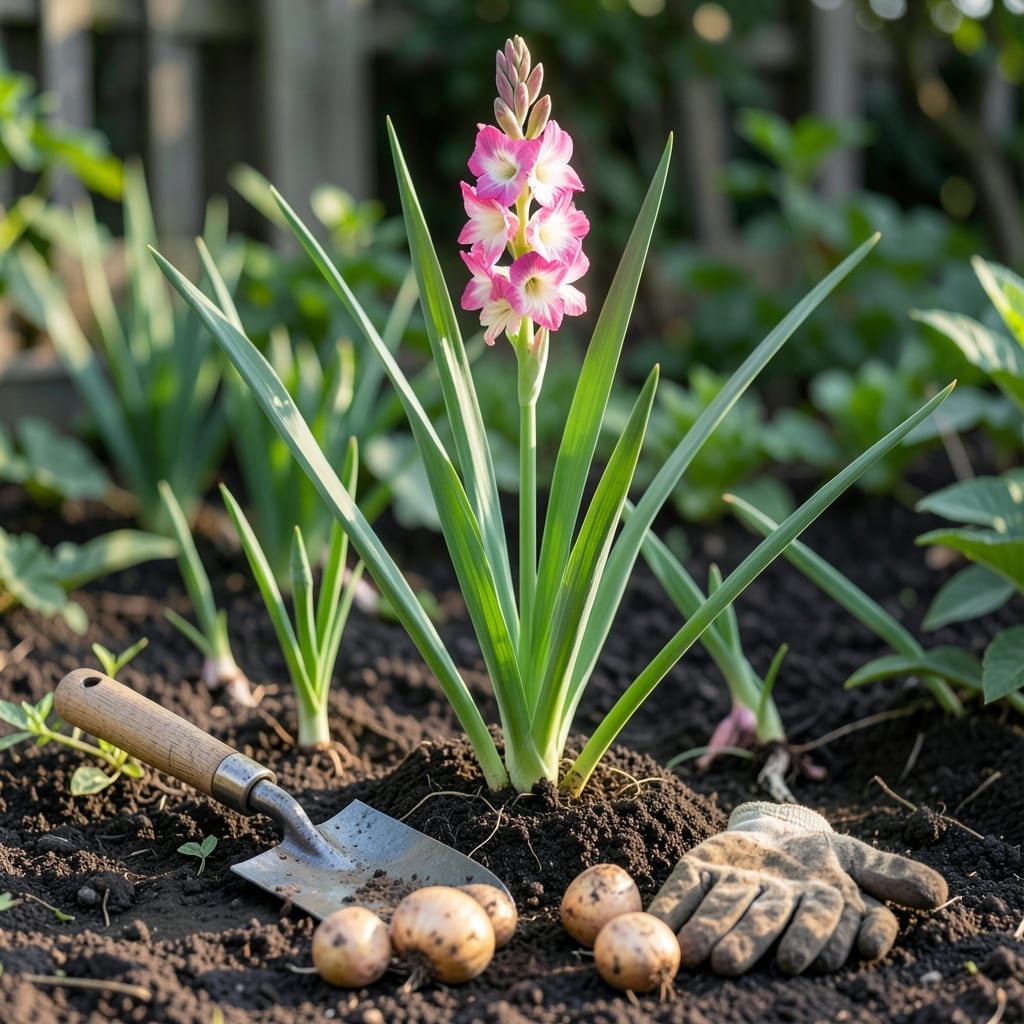
Timing is everything when it comes to planting Gladiolus 🌸. Plant too early, and frost may ruin them; too late, and you’ll miss the season’s most vibrant blooms.
Mastering the ideal planting window ensures tall, colorful spikes that become the star of your summer garden. Whether you’re in zone 6 or another region, getting this right makes all the difference.
Let me show you exactly when and how to plant for the best results this growing season.
Timing your gladiolus planting perfectly ensures those stunning summer blooms we all love. The key is waiting until after the last frost date when soil temps hit 55-60°F. In my experience, this timing prevents cold damage while giving roots time to establish.
For most gardeners in USDA zones 6-7, that sweet spot falls in mid-April to early May. Warmer zones like 8-10 can start earlier, while cooler areas may need to wait until late May. Always check your local frost dates for precision.
| Climate Zone | Planting Window | Soil Temp |
|---|---|---|
| Zones 3-4 | Late May | 60°F+ |
| Zones 5-6 | Mid-April to May | 55-60°F |
| Zones 7-8 | March to April | 55°F+ |
| Zones 9-10 | February to March | 50°F+ |
In cooler climates, I recommend starting gladiolus corms indoors 4-6 weeks before transplanting. This gives them a head start. Use peanut-shaped containers to prevent root circling. Keep them in a sunny window until outdoor temps are safe.
For warmer regions, you can plant in successive batches every 2 weeks through early summer. This staggered approach extends your bloom season significantly. I’ve seen gardeners enjoy gladiolas from June through September using this method.
Remember that soil preparation is just as crucial as timing. Work in 2-3 inches of compost before planting. Gladiolas thrive in well-draining soil with a pH between 6.0-7.0. A quick soil test can save you headaches later.
If you’re in a high humidity area, consider planting in raised beds to improve drainage. I’ve found this prevents corm rot which can be a problem in wetter climates. The extra airflow around the plants also reduces fungal issues.
For container gardening, use pots at least 12 inches deep. This gives the tall stems proper support. I like using 5-gallon buckets with drainage holes – they’re inexpensive and work great for a small gladiolus display on a patio.
No matter your zone, always plant corms 4-6 inches deep and 6 inches apart. This depth protects them from temperature swings while giving roots room to spread. I mark my planting spots with popsicle sticks to avoid accidentally digging them up later.
After planting, water thoroughly once to settle the soil, then hold off on watering again until you see green shoots emerge. This prevents rot while encouraging strong root development. Once growth appears, maintain consistent moisture without waterlogging.
With these timing and care tips, you’ll be rewarded with vibrant, long-lasting blooms that make all your gardening efforts worthwhile ☀️
Planting gladiolus corms correctly sets the stage for tall, vibrant blooms. I always start by selecting healthy corms that are firm and free of soft spots. The planting depth and spacing are critical for strong stems and abundant flowers.
Begin by preparing your garden bed with well-draining soil enriched with compost. Gladiolas hate soggy roots, so ensure the area doesn’t collect standing water after rain.
After planting, I water thoroughly once to settle the soil, then wait until green shoots appear before watering again. This prevents rot while encouraging strong root growth. Once growth starts, maintain consistent moisture without waterlogging.
For container planting, use pots at least 12 inches deep with drainage holes. I’ve had great success with 5-gallon buckets for patio displays. Fill them with a mix of potting soil and compost for best results.
In high humidity areas, consider raised beds to improve drainage and airflow. This helps prevent corm rot and fungal issues, which I’ve seen ruin many a gladiolus patch.
Finally, remember that staking may be needed for taller varieties, especially in windy locations. I use bamboo stakes and soft ties to support the stems without damaging them. With proper care, you’ll enjoy stunning blooms from mid-summer to fall 🌷