
Beautiful Plants For Your Interior
Beautiful Plants For Your Interior
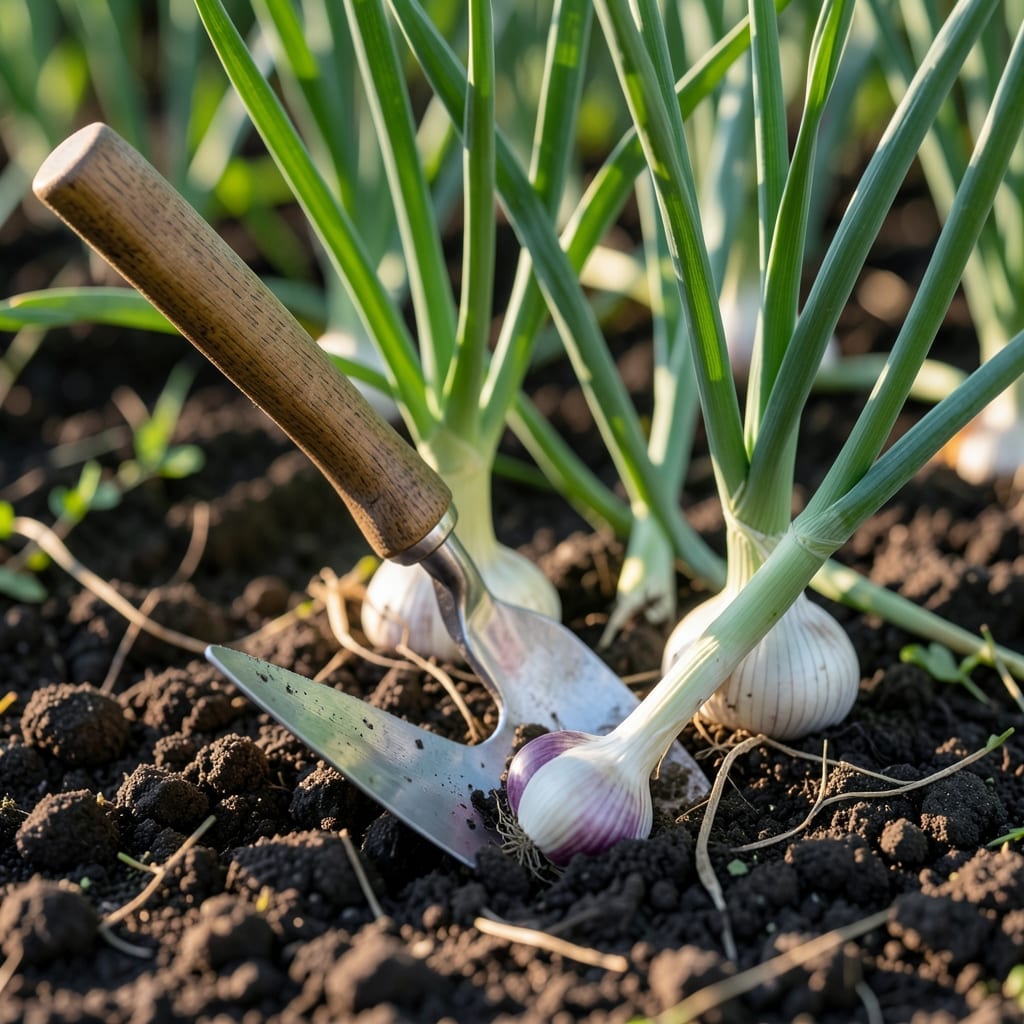
Timing is everything when planting Garlic in Vermont. Plant too early, and cloves may sprout before winter; plant too late, and they won’t establish roots before the ground freezes.
Get it right, and you’ll harvest robust, flavorful bulbs next summer. The fall season offers the perfect window to set your crop up for success.
Vermont’s climate in zones 4a-5b demands precision, but the reward is worth the effort. I’ll walk you through the optimal schedule and key considerations.
Discover how to time your planting for the best yield, with practical tips tailored to your region. Let’s dig in.
In Vermont’s USDA zones 4a-5b, the ideal window for planting garlic is late September to mid-October. This timing allows cloves to develop strong root systems before winter dormancy. 🌱
The soil temperature should be around 50-60°F during planting. This range encourages root growth without triggering premature shoot emergence. Vermont’s cool falls are perfect for this. 🌿
I always aim to plant 4-6 weeks before the ground freezes. This gives the cloves enough time to establish roots without risking winter damage. Northern Vermont may need earlier planting than southern areas. 🌡️
Fall planting is preferred in Vermont because it allows for vernalization, a cold period that triggers bulb formation. Spring planting often results in smaller bulbs and lower yields.
For northern Vermont, where winters are harsher, I recommend planting closer to late September. In southern Vermont, with its slightly milder climate, you can push planting to mid-October safely. ✂️
If you plant too early, shoots may emerge before winter, making them vulnerable to cold damage. Plant too late, and the cloves won’t root properly before the ground freezes.
I’ve found that hardneck varieties like German White or Chesnok Red perform exceptionally well in Vermont. They’re well-suited to the cold climate and produce excellent flavorful bulbs. 🌱
Monitor the weather forecast as fall progresses. If an early frost is predicted, consider mulching your garlic bed with straw or leaves to protect the cloves and extend the planting window slightly.
Remember, well-draining soil is crucial. Vermont’s clay-heavy soils can be amended with compost or sand to improve drainage and prevent rot during the wet fall and spring months. 🌿
Planting garlic in Vermont requires careful soil prep. I always start by selecting a well-draining spot with loamy soil, as cloves hate soggy roots. A sunny location ensures strong growth come spring.
Before planting, I loosen the soil to 12 inches deep and mix in aged compost for nutrients. This step prevents compacted soil, which can stunt bulb development.
Prepare soil with compost for fertility and drainage.
Plant cloves 2 inches deep, pointed end up.
Space cloves 6 inches apart in rows 12 inches apart.
Cover beds with 4-6 inches of straw mulch.
Water lightly after planting to settle soil.
I plant each clove with the pointy end up, about 2 inches deep. Spacing them 6 inches apart gives bulbs room to expand without competition.
A thick layer of straw mulch (about 4-6 inches) protects cloves from Vermont’s harsh winters. This insulation prevents frost heave, which can push cloves out of the soil.
After planting, I water lightly to settle the soil but avoid overwatering. Too much moisture can cause rot before roots establish. A light drink is all they need.
By spring, you’ll see green shoots emerging through the mulch. This signals your garlic is ready to grow, and with proper care, you’ll have a bountiful harvest by summer. 🌱