
Beautiful Plants For Your Interior
Beautiful Plants For Your Interior
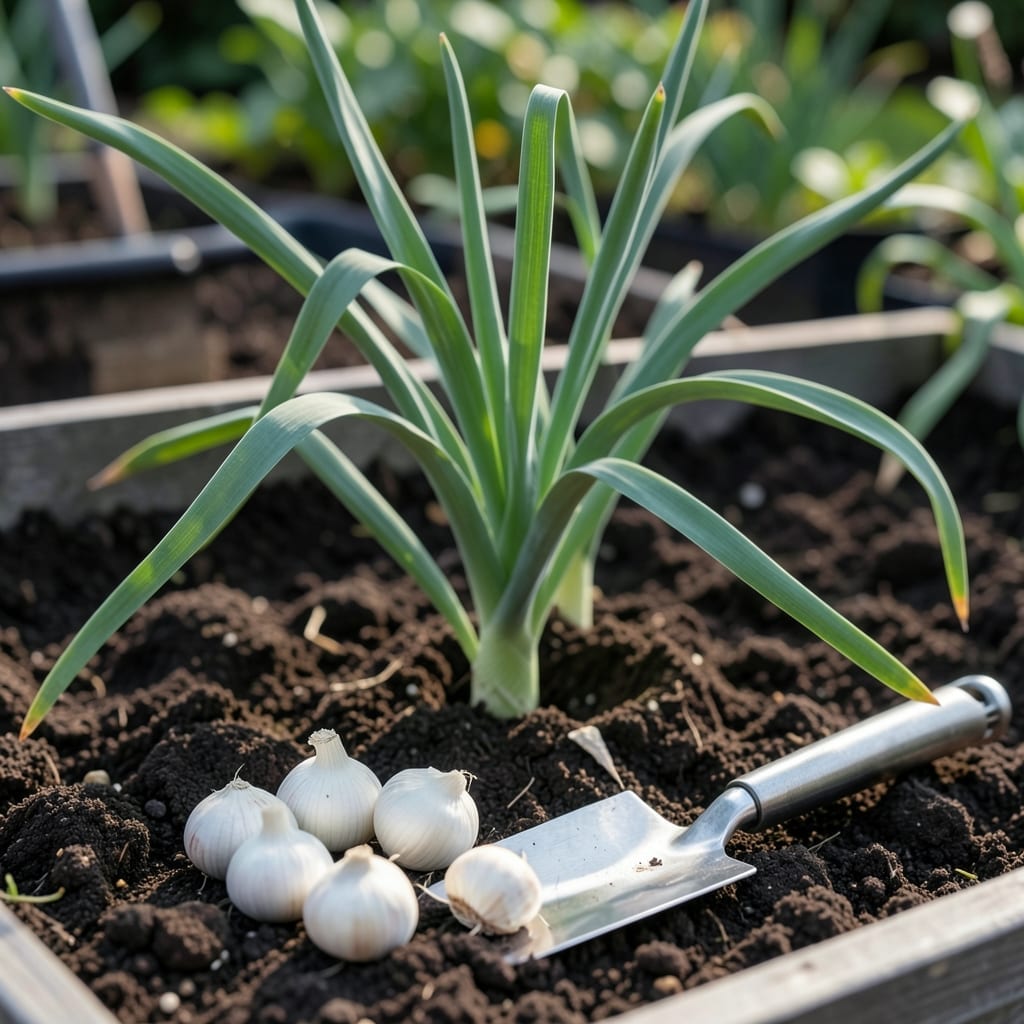
Planting garlic at the right time in Upstate New York can mean the difference between puny cloves and bumper crops of plump, flavorful bulbs.
Timing is everything for this cold-hardy crop. Get it wrong, and you might end up with smaller bulbs or even a failed harvest.
I’ve learned through experience that fall planting works best in our 5b climate. The cool soil helps cloves develop strong roots before winter sets in.
Let me walk you through the optimal window and what you need to know to set your 🧄 up for success next summer.
If you want big, flavorful garlic bulbs in Upstate New York, timing your planting right is non-negotiable. This region sits in USDA zones 3-6, where fall planting gives garlic the cold vernality it needs to thrive. The sweet spot? Mid-October to early November is ideal.
Garlic needs 4-6 weeks of root growth before the ground freezes. In Upstate NY, that means aiming for soil temperatures between 50-60°F. Plant too early, and cloves may sprout tops before winter. Plant too late, and roots won’t establish properly.
| Requirement | Specification |
|---|---|
| Ideal Planting Window | Mid-October to early November |
| Soil Temperature | 50-60°F |
| USDA Zones | 3-6 |
| Root Development | 4-6 weeks before freeze |
| Sunlight Needs | Full sun (6+ hours) |
Upstate NY’s first frost typically hits around October 1, but don’t let that scare you. Garlic is cold-hardy and can handle light frosts. The key is getting cloves in the ground before the soil freezes solid, usually by late November.
Microclimates matter here. If you’re in a warmer pocket near Lake Erie or the Hudson Valley, you might push planting into early December. Conversely, higher elevations like the Adirondacks may require planting by early October to beat the freeze.
I always check my local soil temperature with a simple thermometer. If it’s consistently below 60°F at a 2-inch depth, it’s go time. This ensures cloves develop strong root systems without premature top growth.
Remember, garlic planted in fall will overwinter and be the first thing popping up in spring. That early start means bigger bulbs come harvest time in July or August. It’s a waiting game, but oh-so-worth it.
For the best results, I recommend hardneck varieties like ‘German White’ or ‘Music’. They’re perfectly suited to Upstate NY’s climate and produce those gourmet-sized cloves we all love. More on variety selection later!
Pro tip: If your soil is heavy clay, consider planting in raised beds. Garlic hates waterlogged roots, and well-draining soil is a must for preventing rot. A little prep now saves heartache later.
Finally, mark your calendar. In Upstate NY, Columbus Day weekend is a great reminder to get those cloves in the ground. It’s the perfect window for most gardeners in the region.
With the right timing, you’ll be rewarded with plump, flavorful bulbs that’ll make your gardening neighbors jealous
Fall garlic planting in Upstate NY starts with soil preparation. I begin by selecting a well-draining spot with full sun exposure. Garlic hates soggy roots, so amending heavy clay with compost is a must for me.
Next comes clove selection. I always choose the largest, healthiest cloves from my best bulbs. Smaller cloves will produce smaller bulbs, so size matters at planting time. Break apart bulbs just before planting to prevent drying out.
For planting depth, I go with 2 inches deep, placing each clove with the pointy end up. Spacing is crucial – I give each clove 6 inches of room in all directions. This prevents competition and allows bulbs to size up properly.
Mulching is non-negotiable in Upstate NY. I apply a 4-6 inch layer of straw after planting. This insulates the soil, retains moisture, and prevents winter heaving that can push cloves out of the ground.
Watering needs are minimal after planting. I give my garlic beds a light watering to help settle the soil, then let nature take over. The fall rains typically provide all the moisture needed until spring.
Common mistakes I see? Planting too shallow, which leads to frost heave, or using grocery store garlic, which may carry diseases. Always source from reputable seed suppliers for the best results.
With proper care, you’ll see green shoots emerging in early spring, ready to grow into those prized bulbs by summer