
Beautiful Plants For Your Interior
Beautiful Plants For Your Interior
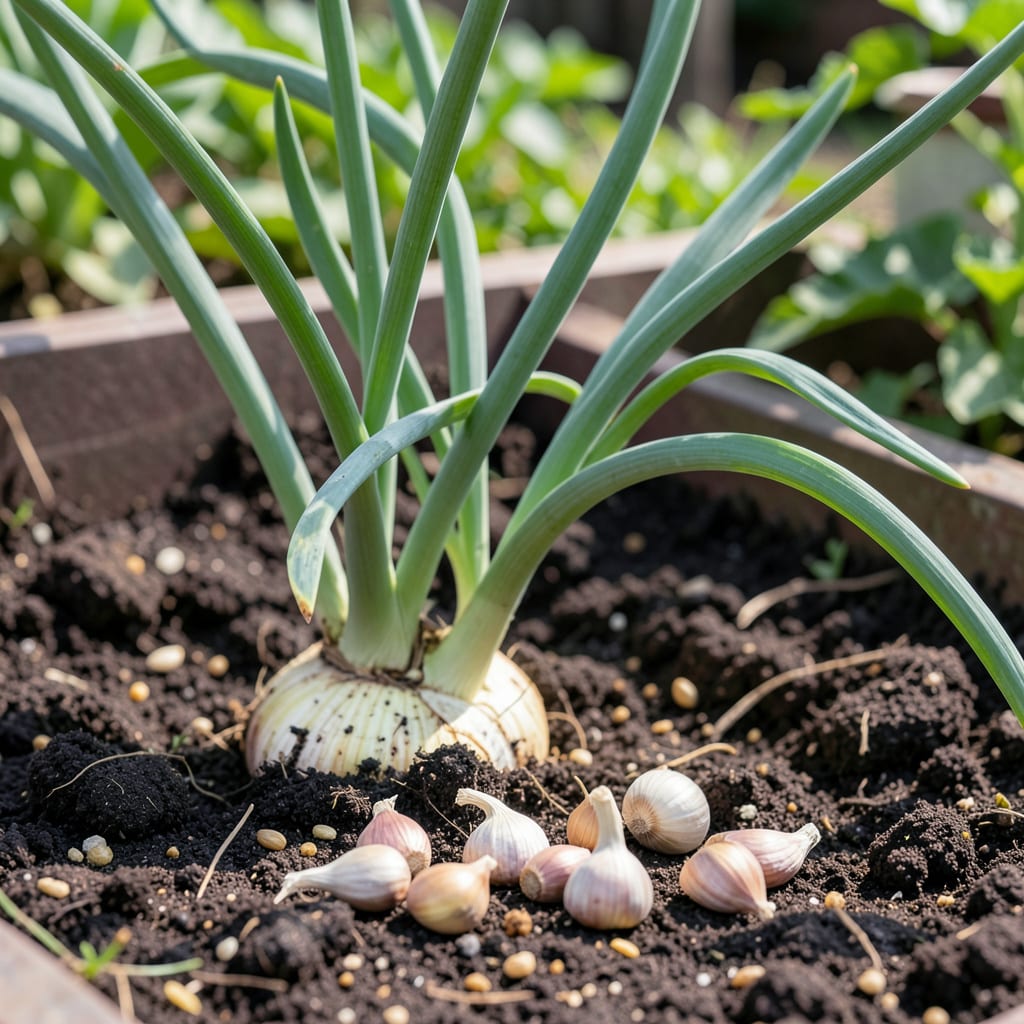
As Ohio’s fall season approaches, gardeners eagerly anticipate planting 🧄 garlic for a bountiful summer harvest. The key to success lies in timing – planting at the right moment ensures healthy growth and maximum yield.
In Ohio’s USDA Zone 6, the ideal time to plant garlic is September or October, about 4-6 weeks before the ground freezes. This allows the bulbs to establish roots before winter, setting them up for a successful harvest the following July or August.
Planting garlic in Ohio requires careful timing to ensure a successful harvest. The ideal time to plant garlic is in the fall, about 4-6 weeks before the ground freezes. This allows the garlic to establish a strong root system before winter. 🌱
In Ohio, the best months to plant garlic are typically September and October. During this period, the soil is still warm enough for root development, and the air temperature is cool enough to promote healthy growth. The average first frost date in Ohio is around October 15, so planting in September or early October gives the garlic enough time to establish itself before the cold weather sets in.
To maximize yield, it’s essential to choose a hardneck or softneck garlic variety that’s well-suited to Ohio’s climate. Hardneck varieties tend to perform better in colder climates, while softneck varieties are better suited to warmer regions. Ohio gardeners can expect to harvest their garlic in July or August, about 9-10 months after planting.
Soil preparation is also crucial for successful garlic cultivation. Ohio’s soil tends to be dense and clay-heavy, so it’s essential to add organic matter like compost or well-rotted manure to improve drainage and fertility. Garlic prefers a slightly acidic to neutral soil pH, between 6.0 and 7.0.
In addition to proper timing and soil preparation, Ohio gardeners should also be aware of potential pest and disease issues that can affect garlic crops. Common problems include aphids, mites, and fungal diseases like rust and botrytis. Using certified disease-free planting stock and practicing good garden hygiene can help minimize these risks.
By planting garlic at the right time and following best practices for soil preparation and pest management, Ohio gardeners can enjoy a bountiful harvest of delicious, healthy garlic. 🧄
For more specific guidance on garlic cultivation in Ohio, gardeners can consult with local extension offices or join a local gardening club to connect with experienced growers and learn from their expertise.
Overall, planting garlic in Ohio requires careful planning and attention to detail, but with the right timing and techniques, gardeners can enjoy a successful harvest and add this flavorful ingredient to their favorite recipes.
By understanding the specific needs of garlic in Ohio’s climate, gardeners can optimize their growing conditions and enjoy a rewarding harvest. With proper care and attention, garlic can be a low-maintenance and rewarding crop for Ohio gardeners.
Ohio’s climate plays a significant role in determining the success of garlic cultivation. The state’s continental climate with cold winters and warm summers requires careful planning for garlic planting. Understanding how Ohio’s climate affects garlic growth is crucial for maximizing yields.
Ohio experiences a moderate climate with four distinct seasons, which impacts garlic growth in various ways. The state’s average temperature and precipitation patterns during different seasons affect garlic development.
Ohio’s climate requires garlic to be planted in fall, about 4-6 weeks before ground freeze. This allows for root establishment before winter.
The regional climate variations across Ohio also impact garlic growth. The state’s geography, with its mix of flat plains and rolling hills, creates microclimates that can affect temperature and precipitation patterns. Gardeners should be aware of these regional differences when planning their garlic crop.
Frost dates are another critical factor in Ohio’s garlic cultivation. The average first frost date in Ohio is around October 15, which marks the beginning of winter. Planting garlic too late can result in poor root development, making it vulnerable to winter damage.
Ohio’s winter temperatures can be quite cold, with average lows ranging from -10°F to 0°F (-23°C to -18°C) in different parts of the state. Garlic planted in the fall will be dormant during this period, but the cold temperatures can still impact its growth.
In the spring, Ohio’s temperatures gradually warm up, and garlic begins to grow again. Gardeners should be prepared to provide additional care, such as fertilization and pest management, during this period to promote healthy growth.
By understanding how Ohio’s climate affects garlic growth, gardeners can take steps to optimize their crop’s development and maximize their yields. With proper planning and care, Ohio gardeners can enjoy a successful garlic harvest. 🌟
Regional climate variations and frost dates play a significant role in determining the best time to plant garlic in Ohio. Gardeners should consult local resources to determine the specific climate conditions in their area.
Successful garlic cultivation in Ohio requires careful attention to soil preparation and variety selection. Ohio’s dense clay-heavy soil can be challenging for garlic growth, making proper preparation crucial for a bountiful harvest.
Add organic matter like compost or well-rotted manure to improve soil drainage and fertility. Garlic prefers slightly acidic to neutral soil pH (6.0-7.0).
Choose hardneck or softneck garlic varieties suitable for Ohio’s climate. Hardneck varieties perform better in colder climates.
Avoid planting garlic too late in the season, as this can result in poor root development and reduced yields. Plant at least 4-6 weeks before ground freeze.
By following these tips and understanding Ohio’s specific growing conditions, gardeners can optimize their garlic cultivation and enjoy a successful harvest. Proper soil preparation and variety selection are key to maximizing yields in Ohio’s climate.
Ohio gardeners should also be aware of potential pest and disease issues that can affect garlic crops, such as aphids, mites, and fungal diseases. Using certified disease-free planting stock and practicing good garden hygiene can help minimize these risks.
For more specific guidance on garlic cultivation in Ohio, gardeners can consult with local extension offices or join a local gardening club to connect with experienced growers and learn from their expertise.
With proper planning and care, Ohio gardeners can enjoy a bountiful harvest of delicious, healthy garlic. By understanding the specific needs of garlic in Ohio’s climate, gardeners can optimize their growing conditions and enjoy a rewarding harvest.
The best time to plant garlic in Ohio is in the fall, typically September or October, about 4-6 weeks before the ground freezes. This allows the garlic to establish a strong root system before winter. Planting at this time ensures a healthy crop and maximum yield.
Ohio’s continental climate with cold winters requires careful planning for garlic planting. The state’s average first frost date is around October 15, so planting in September or early October gives garlic enough time to establish itself before cold weather sets in. Regional climate variations across Ohio also impact garlic growth.
For Ohio’s climate, it’s recommended to choose either hardneck or softneck garlic varieties. Hardneck varieties tend to perform better in colder climates, making them a good choice for Ohio gardeners. Selecting the right variety helps ensure a successful harvest.
In Ohio, garlic is typically ready to harvest in July or August, about 9-10 months after planting. Gardeners should check for signs of maturity, such as yellowing leaves and softening stems, to determine the optimal harvest time. Timing is crucial for the best flavor and quality.
