
Beautiful Plants For Your Interior
Beautiful Plants For Your Interior
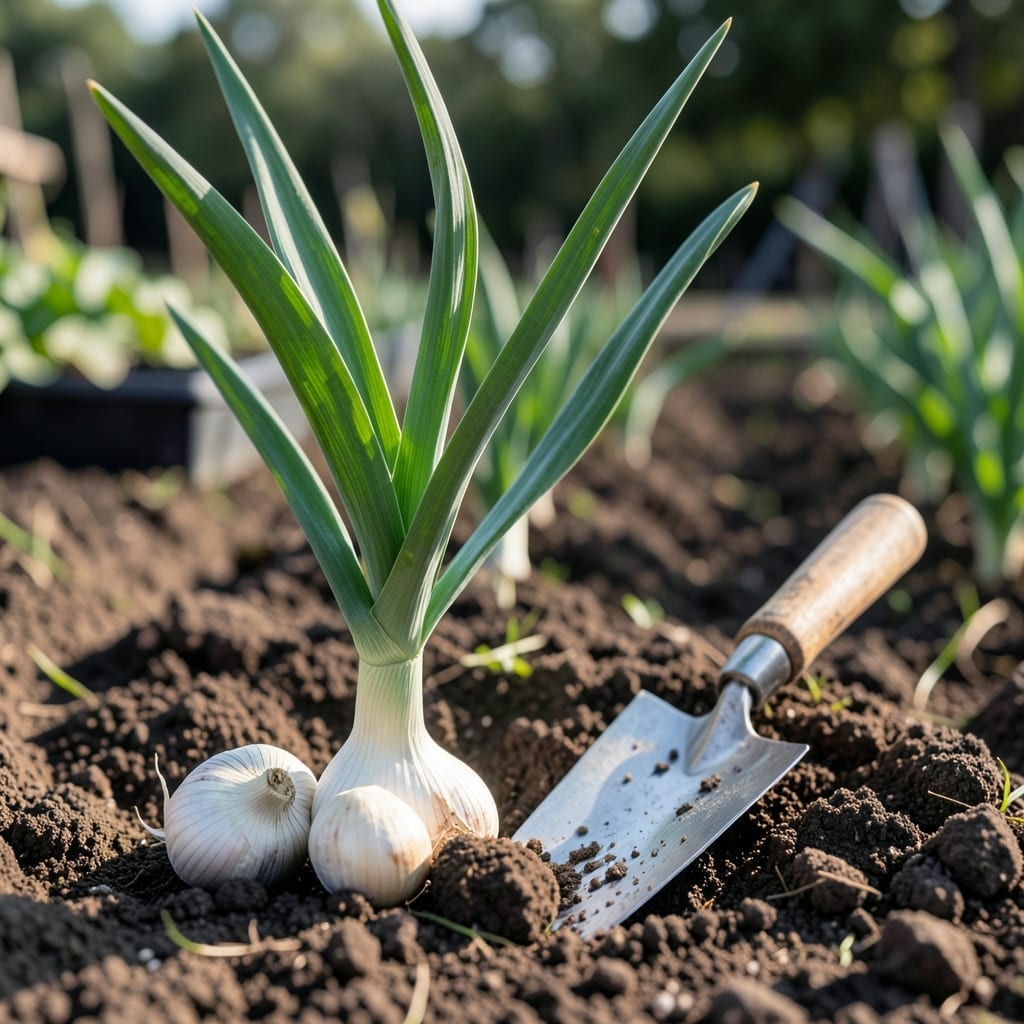
Growing garlic in North Dakota’s challenging climate might seem daunting at first. The key is timing—get it right, and you’ll be rewarded with robust, flavorful bulbs come summer.
I’ve learned through trial and error that fall planting gives this hardy crop the head start it needs. With the state’s short growing season, every day counts.
The secret lies in understanding how 🧄 Garlic thrives in cold winters. Plant too early or too late, and you risk poor growth or winterkill.
Let me walk you through the most effective approach for Zone 4a, so you can enjoy a bountiful harvest next year.
Timing is everything when planting garlic in North Dakota. The best window is late September to early October, giving cloves 4-6 weeks to establish roots before the ground freezes. This head start helps them survive winter and burst forth in spring.
Soil temperature should be 50-60°F at planting. North Dakota’s USDA zones 3-5 have varying first frost dates, but aiming for 6 weeks before hard frost ensures optimal root development before dormancy.
| Requirement | Specification |
|---|---|
| Best Planting Window | Late September – Early October |
| Soil Temperature | 50-60°F |
| Time Before Frost | 4-6 weeks |
| USDA Zones | 3-5 |
| Varieties | Hardneck preferred |
North Dakota’s short growing season demands this precise timing. Planting too early risks sprouting before winter, while planting too late prevents proper root establishment. The first frost date varies, so check local weather patterns.
In zone 4a, which covers much of central North Dakota, I recommend planting by October 1st for best results. In cooler zone 3 areas, aim for mid-September to beat the earlier frost.
Hardneck varieties like German White or Rocambole are ideal as they’re bred for cold tolerance. These develop strong root systems in fall, then go dormant until spring’s thaw.
Soil preparation is key. I always test my soil’s drainage capacity before planting. Garlic hates waterlogged roots, so amend heavy clay with compost. A pH of 6.0-7.0 provides the best growing conditions.
Plant cloves 2 inches deep and 4-6 inches apart in rows. This spacing allows for good air circulation, which helps prevent fungal diseases in our humid summers.
After planting, I apply a 4-6 inch layer of straw mulch. This insulates the soil, protects against temperature fluctuations, and retains moisture. The mulch also suppresses weeds that compete with young garlic plants.
Remember that spring care begins as soon as the snow melts. Remove mulch gradually to prevent rot as temperatures rise. Your garlic will emerge with strong, vibrant green shoots ready for the growing season. ☀️
In North Dakota’s Zone 4a climate, hardneck garlic is the undisputed champion. Its ability to withstand subzero temperatures makes it ideal for this region’s harsh winters.
I’ve found that hardneck varieties develop strong root systems in fall, ensuring they survive dormant months. This resilience translates to vigorous spring growth once the soil warms.
| Trait | Hardneck | Softneck |
|---|---|---|
| Cold Tolerance | ✅ Excellent | ❌ Moderate |
| Flavor Complexity | ✅ Bold, rich | ⚠️ Mild |
| Storage Life | ⚠️ 4-6 months | ✅ 8-12 months |
Hardneck cloves produce taller scapes in spring, which I remove to direct energy toward bulb formation. This simple step boosts final bulb size significantly.
The dormancy period of hardneck garlic aligns perfectly with North Dakota’s winter. While softneck varieties struggle, hardnecks thrive in this cycle of cold rest followed by rapid growth.
I always recommend planting individual cloves with the pointy end up, about 2 inches deep. This orientation ensures proper emergence when temperatures rise.
For North Dakota gardeners, hardneck’s adaptability to our short season is unmatched. The bulbs mature in 210-240 days, fitting neatly into our growing window.
Plus, the flavor payoff is worth the effort. Hardnecks develop complex, robust tastes that softnecks simply can’t match in our climate 🌱