
Beautiful Plants For Your Interior
Beautiful Plants For Your Interior
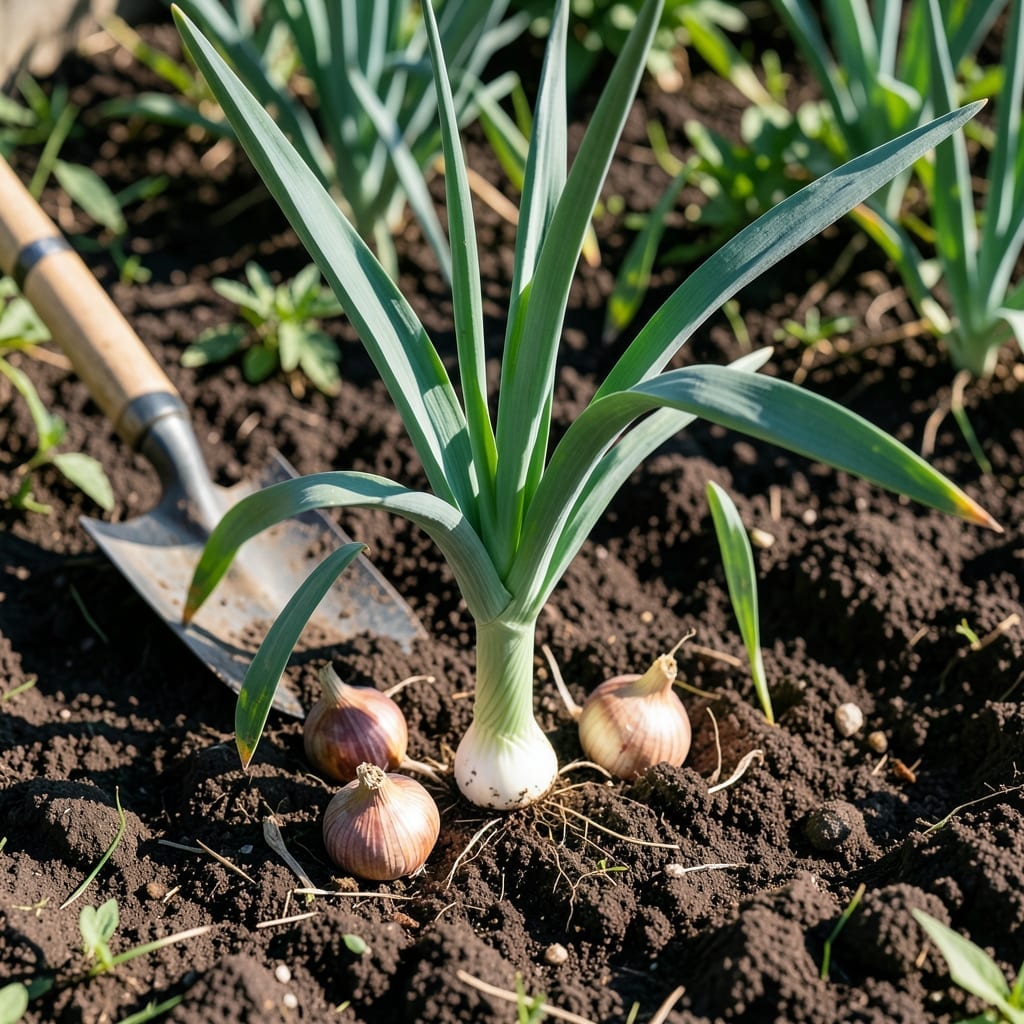
Timing is everything when planting garlic in New Hampshire’s Zone 5 climate. Plant too early or too late, and you’ll miss out on the large, flavorful bulbs that make homegrown garlic so rewarding.
I’ve learned through experience that getting the timing right is the key to success. The crisp fall air of New Hampshire creates the perfect conditions for garlic to establish strong roots before winter sets in.
Whether you’re new to gardening or a seasoned pro, understanding the optimal window can make all the difference. Zone 5b offers a unique advantage for fall planting that you won’t want to overlook.
Discover how to align your planting schedule with nature’s rhythm for the best results. Your future harvest will thank you for getting this right from the start.
In New Hampshire’s Zone 5, timing your garlic planting is crucial for big, healthy bulbs. The sweet spot is 4-6 weeks before the ground freezes, giving cloves time to root without sprouting above soil.
For most of NH, that means mid-October through early November. This window ensures cold vernaliation—the process that triggers bulb formation—while avoiding winter heave from freeze-thaw cycles.
| Variety | Planting Window | Soil Temp |
|---|---|---|
| Hardneck | Oct 15-Nov 1 | 50-60°F |
| Softneck | Oct 1-Nov 15 | 55-65°F |
| Elephant | Oct 1-Oct 31 | 60°F+ |
I’ve found hardneck varieties like ‘German White’ or ‘Music’ thrive best in NH. They need that cold period to divide into cloves, and our winters provide it naturally.
Soil temperature is your best guide. Use a soil thermometer—plant when temps drop to 60°F and stay below 50°F for consistent root growth without top growth.
Avoid planting in September—warm soils may cause premature sprouting, making cloves vulnerable to winter kill. December plantings often struggle to establish before freeze-up.
In coastal NH, where winters are milder, you can push planting to mid-November. But in the White Mountains, aim for early October to beat the early frosts.
I always mark my calendar for Columbus Day weekend as my planting reminder. By then, soils have cooled, and we’re typically 6 weeks from freeze-up in most of the state.
Remember, mulching is key after planting. Apply 4-6 inches of straw or leaves to insulate the soil and prevent winter heaving, which can push cloves out of the ground.
For the biggest bulbs, I space cloves 6 inches apart in rows 12 inches apart. This gives each plant enough room to develop fully without competition. 🌱
New Hampshire’s clay-heavy soils need extra attention before planting garlic. I’ve found that fall preparation makes all the difference for spring growth and bulb development.
pH levels are critical for garlic. Aim for 6.0-7.0—our native soils often test lower. A simple soil test from your local extension office will tell you exactly what adjustments are needed.
I always add aged compost or well-rotted manure to my garlic beds. This boosts organic matter and improves the soil structure that clay soils desperately need for proper root development.
Raised beds are a game-changer in NH. They warm up faster in spring and provide better drainage during our wet seasons. If you’re planting in-ground, choose a slightly elevated spot to avoid waterlogging.
For best results, I work the soil 8-12 inches deep. Garlic roots need room to stretch, and deep preparation helps break up compacted clay. A broadfork works wonders for this without disturbing the soil structure too much.
Don’t forget about nutrient balance. Garlic is a heavy feeder, so I mix in a balanced fertilizer (10-10-10) at planting time. This gives the cloves a strong start before winter dormancy. 🌱